Highlights from “Young, Queer and Woke” and “The Queer Resistance” film shorts programs at
Newfest – New York’s LGBT Film Festival

Another fall in New York City. Another NewFest festival of LGBTQ films. Last year I stuffed a dozen festival films plus Moonlight into a long queer movie weekend (and included The Handmaiden into my three posts about the festival movies). This year I’ve upped the NewFest challenge to 14 screenings, plus a panel discussion on Bisexual Representation in Media.
I started with two screenings of short films, collected under the umbrellas “Young, Queer and Woke” and “The Queer Resistance”. I included six short film programs in my schedule. Turns out there are a whopping ten altogether this year at NewFest. A festival curator explained they received so many high quality submissions this year that they greatly expanded the short film programs (in addition to the many shorts played before feature film screenings). On the basis of the first two shorts compilation screenings I attended they were right to.
Now an old fashioned film fogey like me is most likely to see short films almost exclusively within a festival setting, but it is my understanding that short films are becoming ever more easy to discover and ever more popular on-line and on cable streaming services. So my guess is that most of the short films presented at NewFest will eventually find themselves easily accessed from the comfort of your home.
I’ll share the first set of highlights now.
 Dare and Truth‘s pithy blurb “an afterschool game of Truth and Dare quickly spirals out of control” captures the events of this handsomely shot black and white short, but not how richly complicated the interactions are between the seven teenagers in this taut, fraught morality play. Writer/director Thomas Rivera Montes developed the dialog in part through extensive improvisations with the cast, and the result is utterly believable conversations and naturalistic performances from the young actors. The scenario is full of little surprises and reveals, including an only gradual understanding who the two “leads” of this story actually are.
 Ace opens up a potential tinder box of mysterious possibilities between two teenage girls, when the “popular blond rich girl” invites a black “baby butch” into her house. The film ends on a surprise reveal that puts everything we just saw into fresh perspective, a perfectly satisfying ending that still opens up a whole new world of possibilities of what happens next. Several audience members in the Q & A were full of desire to be told, and the director Morgan Kahn Nichols volunteered that he was as curious as the rest of us. “Ace” would go on to win the NewFest Jury Award for Best New York Short.

Imago
Teenagers also figure in the arty french Gabber Lover, about teenage girls wrestling with attraction and alienation in rural France, as well as the affecting Imago, based on an email a Texan teen wrote to sever the relationship with a bullying father. And the young college students of Intersection “dissect the different segments of their identities on an intimate road trip” (blurb word for word) with winning dialog, characterizations, and a politically topical gut punch of an ending.



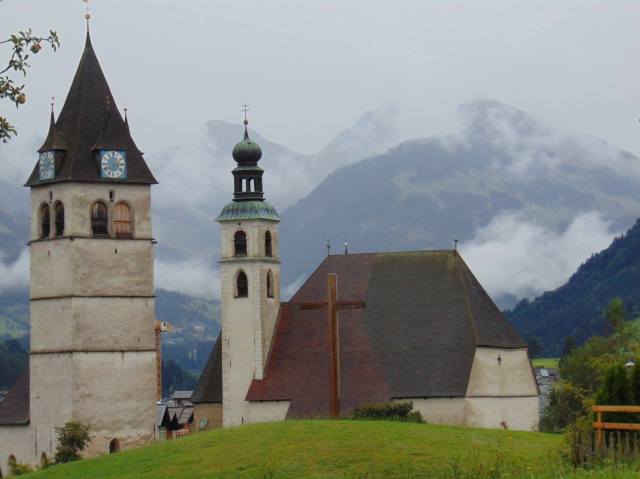
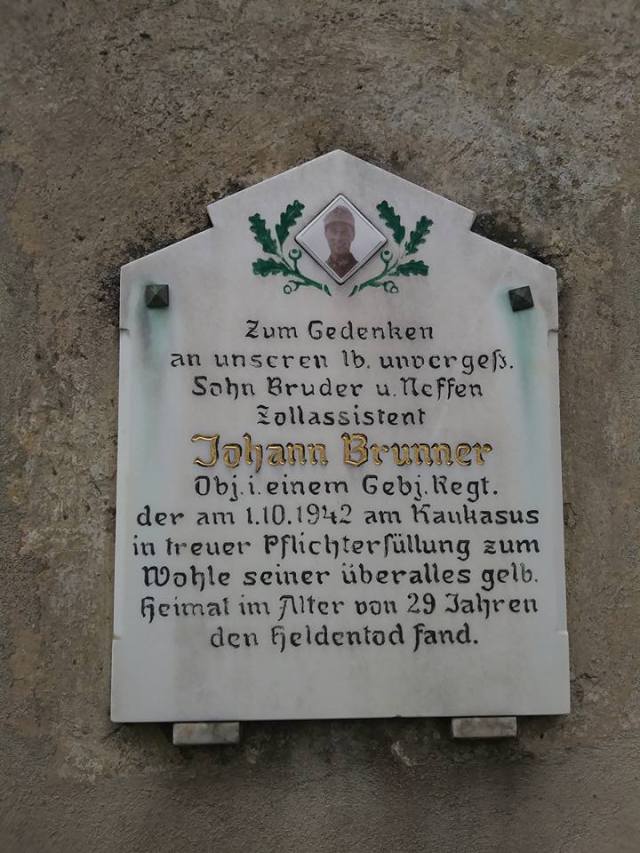
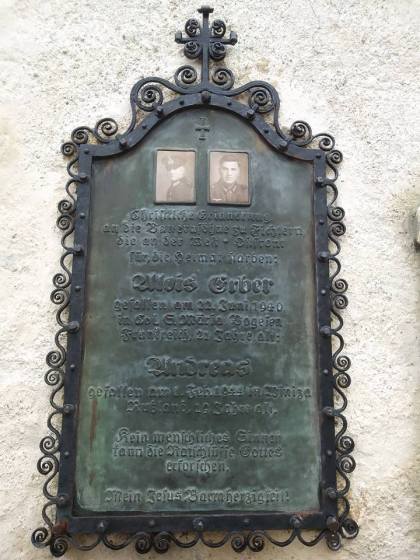 I looked about the cemetery to see if there were other examples of graves or plaques commemorating local sons fallen in World War II. I found the “farmer’s sons Alois and Andreas Erber” (right) who “died for the Homeland on the Western and Eastern Front”, a turn of phrase somewhat uncomfortably tied to the poisonous propaganda of its time, but followed by neutral specifics of location and age, and finally a bible quote and a plea for Jesus’ mercy.
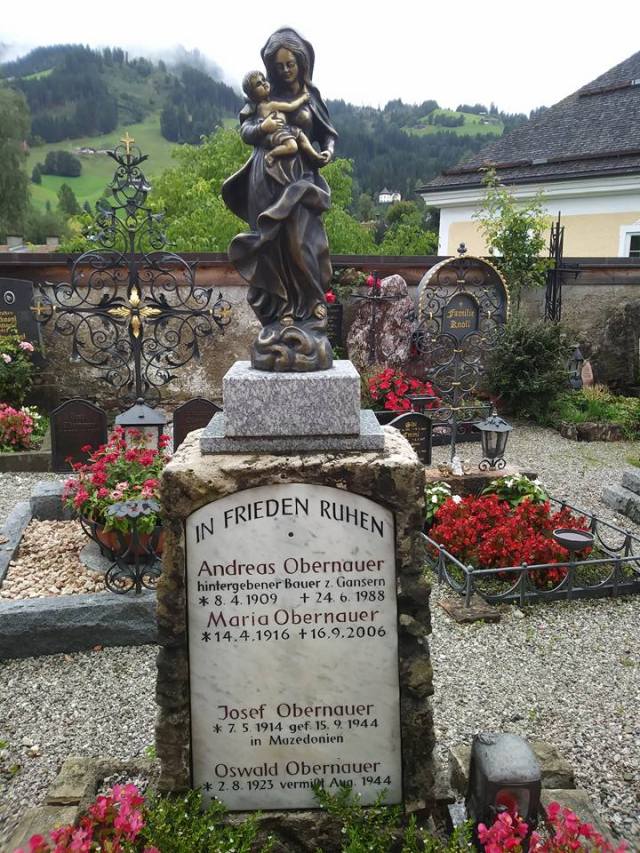
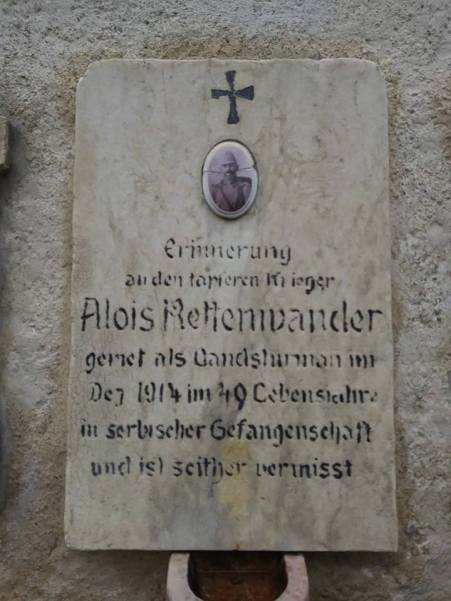 So, families can revise grave stones in the cemetery as time moves on, and as future burials add to family plots. Maybe the questionable aspects of grave markers with Nazi propaganda can be explained by them being plaques on church walls. Some of these plaques go back even further in time, like this one on the right, a World War I plaque for the “brave warrior” who went missing as a prisoner of war in Serbia. Perhaps I am wrong to assume families still pay for the preservation of the plaques. Does the church choose to keep them affixed to its walls for their historical significance regardless of descendants’ involvement? Is the language on these plaques considered for what it represents? At what point have we crossed from historical curiosity to something much more problematic, unconscionable even.





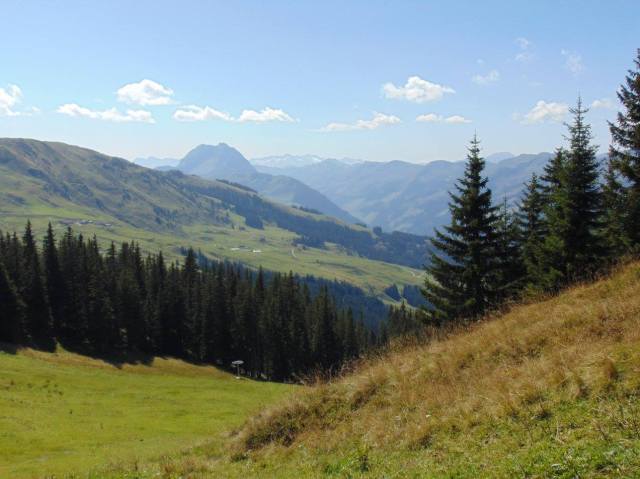
 Encountered some musical cows on the slopes of the mountains of Kitzbühel, Austria. And so, with the help of three short video clips, the first just above, I present the Cow Bell Cantata, the first dramatic movement featuring a shockingly loud outburst in the brass section.