
Brazil – The Coasters

Brazil’s city of contrasts – topographically, historically, religiously…
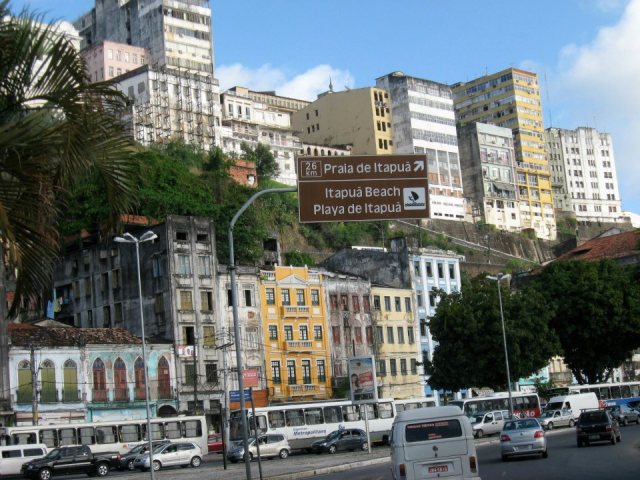
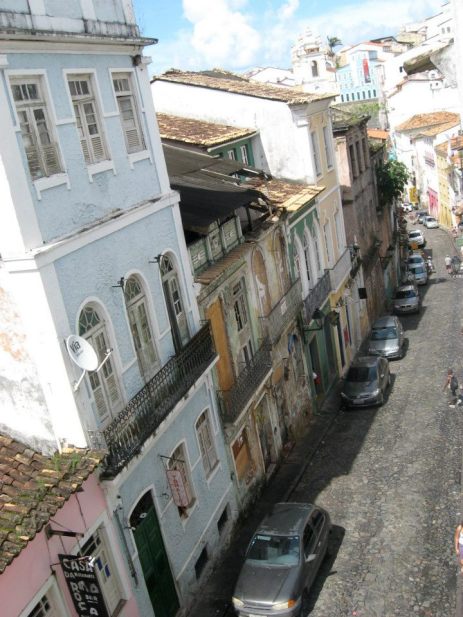
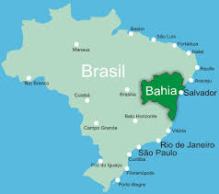 Salvador, in the state of Bahia, is a Brazilian city full of highs and lows. Quite literally, at first blush, due to its topography. The historic center sits on a high plateau separated by a steep cliff from a lower section of town at the shore. Which makes parts of Salvador look like a city on top of a city, like something dreamed up by Escher or Christopher Nolan (see top photo).

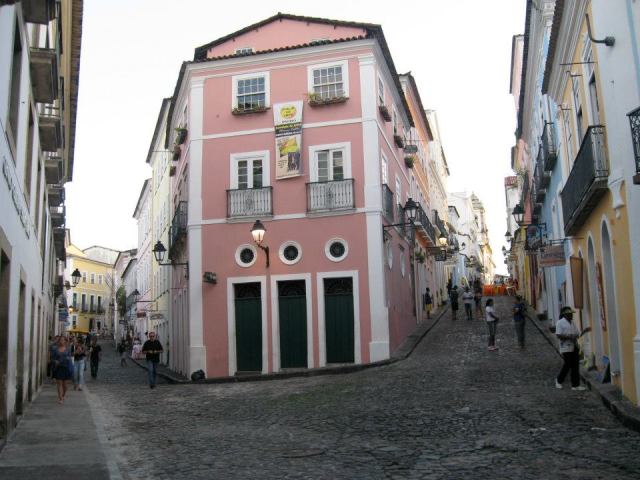
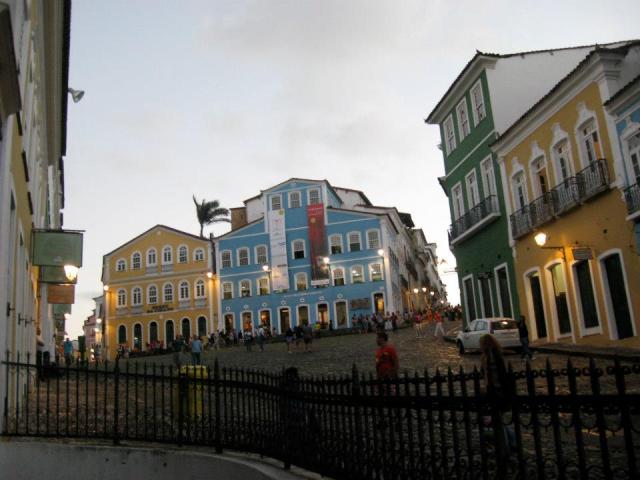
The high and low of Salvador is also applicable to the extreme contrasts from street to street, section to section. You have streets of beautifully, colorfully restored old houses right next to dangerously run down roads your New York honed street smarts warn you against walking down (at least in 2012, when these pictures were taken); a business district of sleek office buildings next to old buildings in various states of disrepair; wealthy modern high rise apartment buildings conspicuously fortressed behind gates and private security details.
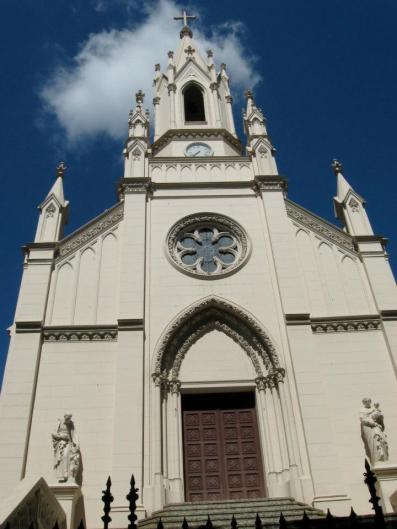
The high and low of Salvador is also present in its many famous and fascinating churches and their intractable relationship with Brazil’s history of slavery.
We’ll catch glimpses and word of all that, as well as Salvador’s lively beaches and famous municipal elevator.
But first we’ll stroll past some of the more picturesque corners of the Old City:


Mas Que Nada – Sergio Mendes and Brasil ’66
 For our Brazilian musical selection, it is long past due that I share one of the most famous upbeat selections Brazil has gifted the world. You may not know the title “Mas Que Nada”, but you have surely heard this track’s lively chorus. Possibly no piece of music has been used more often as a shorthand to illustrate Brazilian high spirits.
And to honor our “high and low” theme, this high spirited take on “Mas Que Nada” will be followed later by a “low”, more earthy version later in this post.
By the way, “Mas Que Nada” is Brazilian Portuguese slang, literally translated as “but, that [is] nothing”), yet it has flexible meanings (“come on”, “no way”, “whatever”, or “yeah, right!”) depending on the context in which it is used in informal conversation.
The Elevator (Elevador Lacenda) connecting “high” and “low” Salvador.


 This is the little 4 seater airplane we hired (with some birthday present “mad money”) to take us on a thirty minute flyover across the whole Lençóis region. The pilot and his trainee sat upfront and Ed and I sat behind.
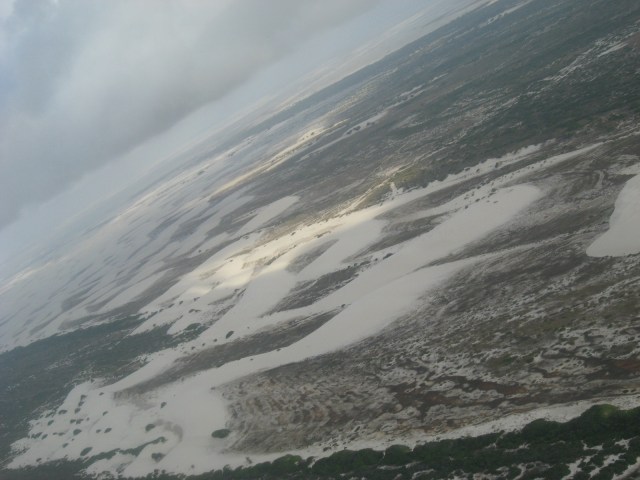
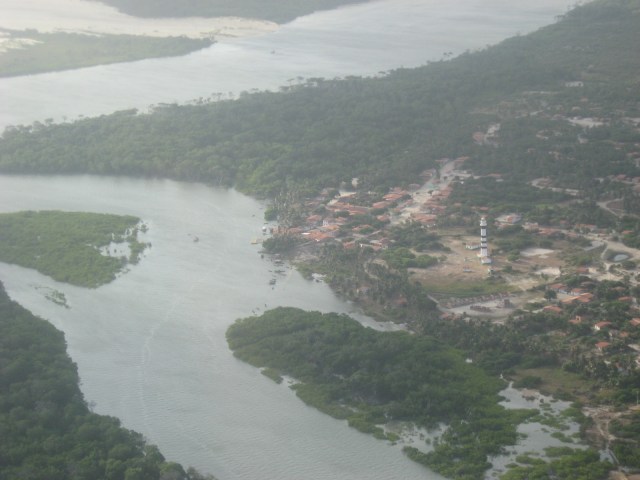

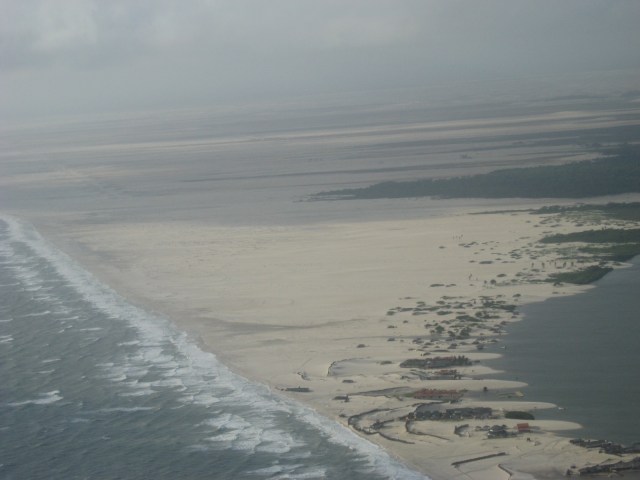
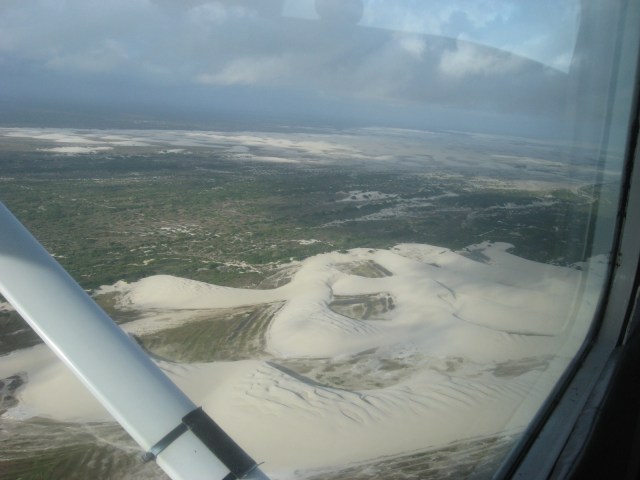


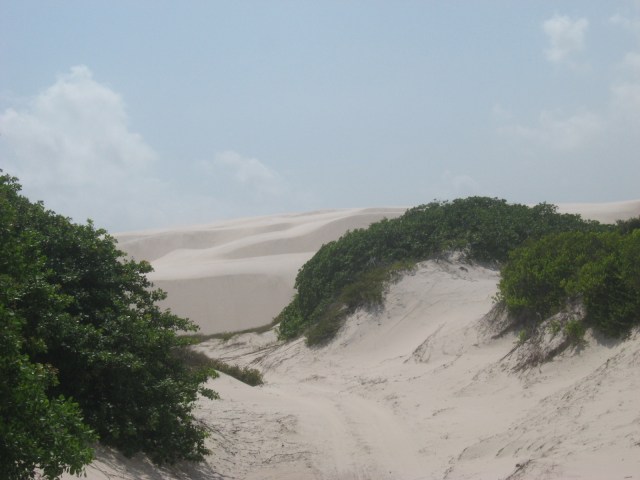
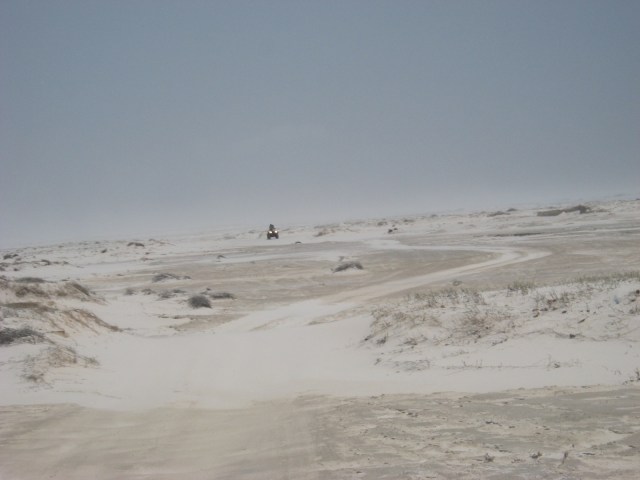
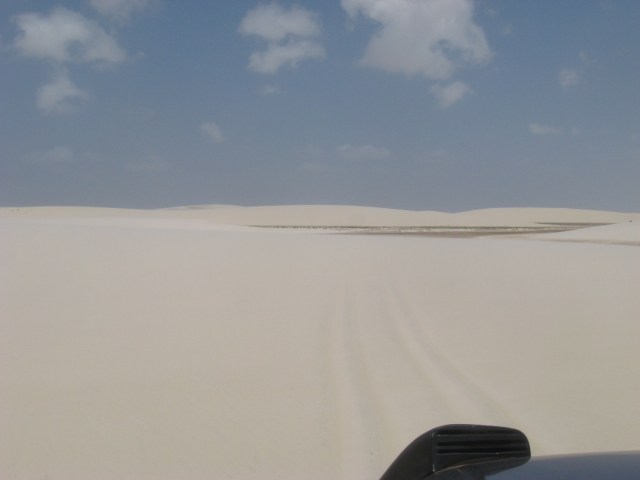
 Around ten years ago Ed and I saw an extraordinary Brazilian movie called “The House of Sand”. It is set in a landscape of endless, blindingly white sand dunes. So unusual and otherworldly the film seemed to be taking place on another planet.
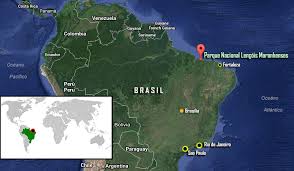 Ever since seeing “The House of Sand” I have wanted to explore this fantastical landscape in person. And this August we did it. It required flying into São Luís, the capitol of Maranhão, then taking a 4.5 hour bus to Barreirinhas, the largest town near the Lençóis Maranhenses, from where most tour excursions originate. But even once in Barreirinhas, most routes into the “Bedsheets” require a long, bumpy trek over sandy roads. On the map below, only the black dotted line represents an asphalted road. The red dotted lines are deeply sandy paths over which four wheel drives slosh and jump and jostle their way for at least an hour before you reach the white dunes. It’s like riding a bucking kangaroo.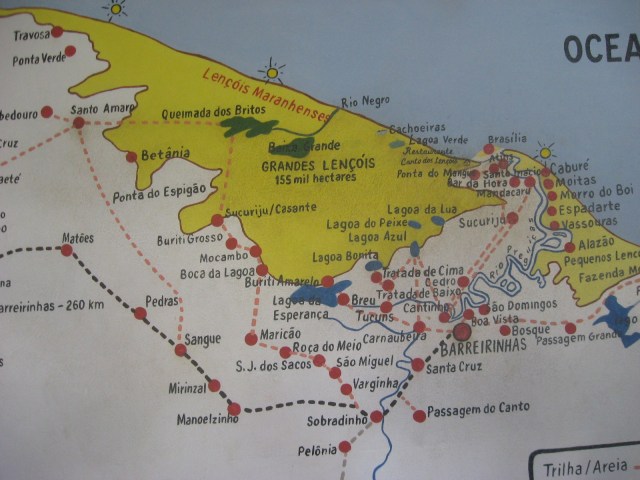






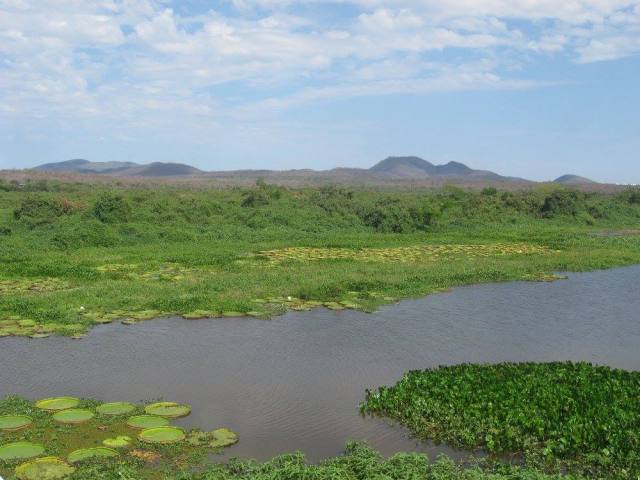
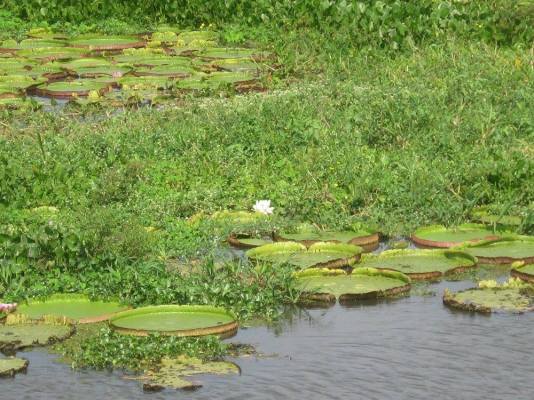 Above and beside, these great lily pads are called Victoria Regina. Something tells me it wasn’t a Portuguese gentlemen who coined the name.
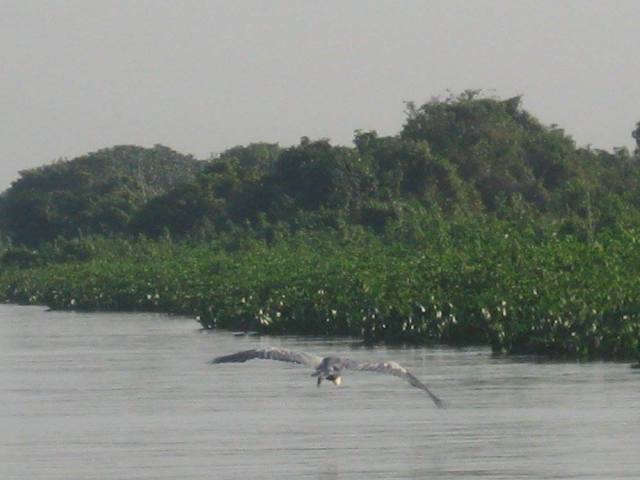
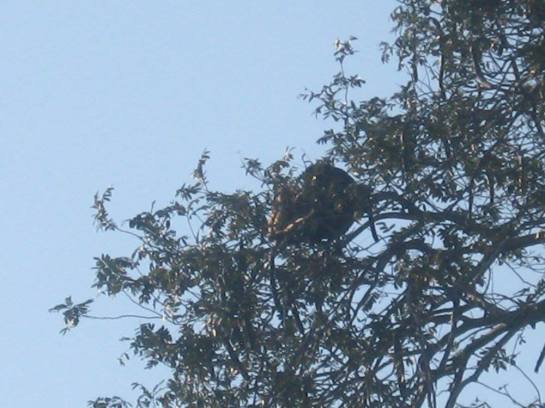
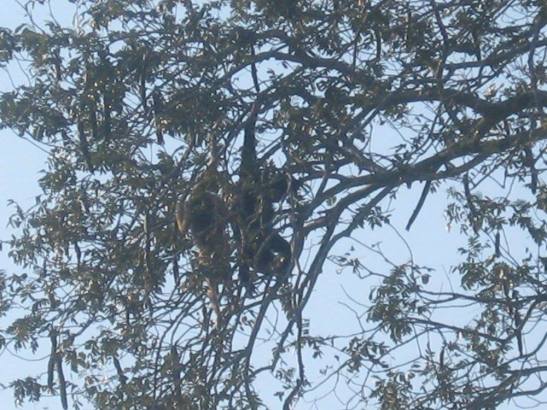

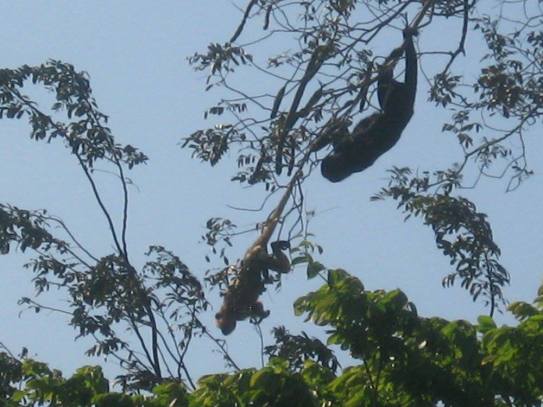


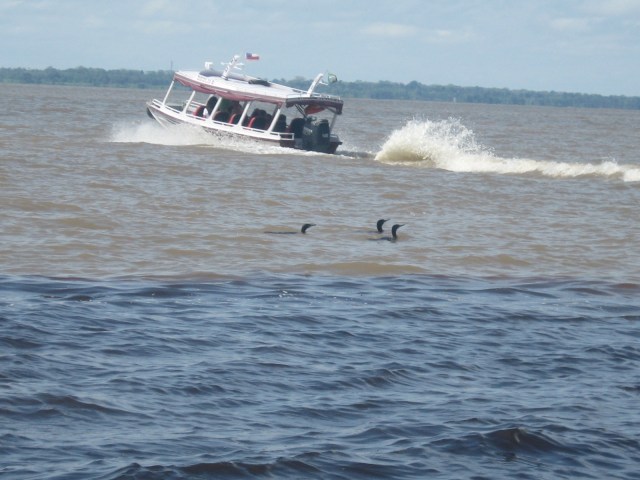
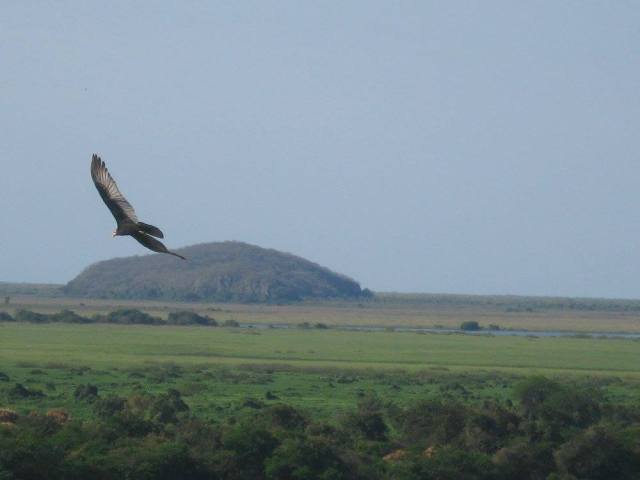
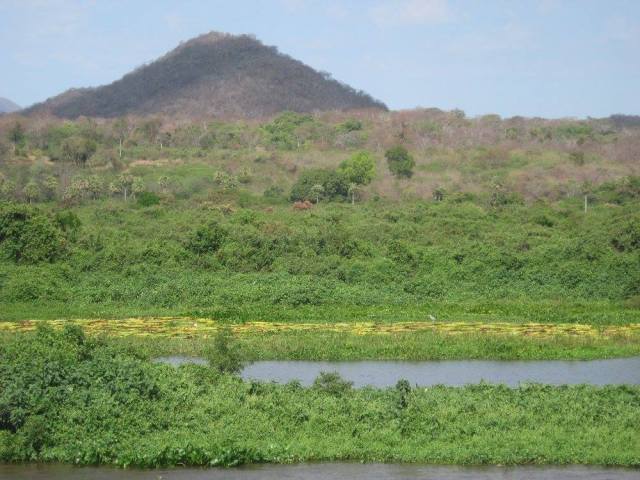
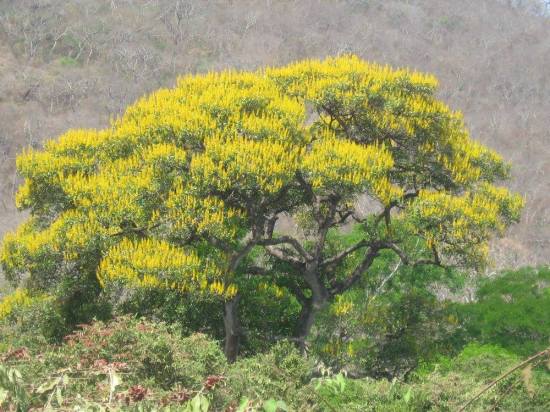
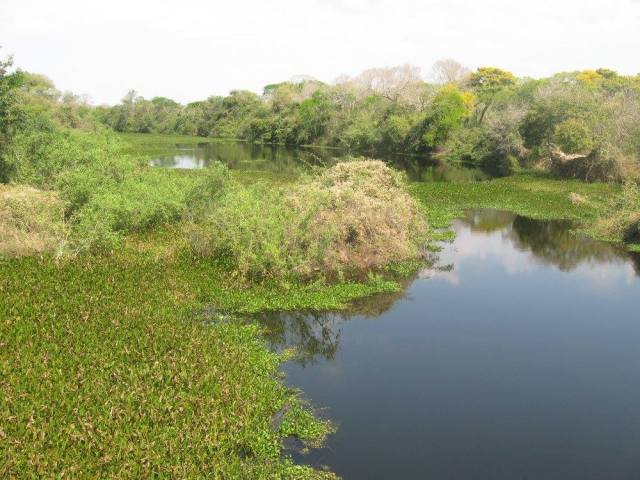
 Two weeks ago Ed and I flew into Corumba, near Bolivia in Brazil’s southwestern state of Mato Grosso du Sul, the main southern access point to the vast Pantanal region. The Pantanal might be best described, to Americans at least, as Brazil’s version of the Everglades. An immense system of rivers and wetlands, with water levels that rise and inundate the land in the rainy season and fall again in the dry season, releasing some ground from a watery blanket. The Pantanal waters are separate from those that form the Amazonian system.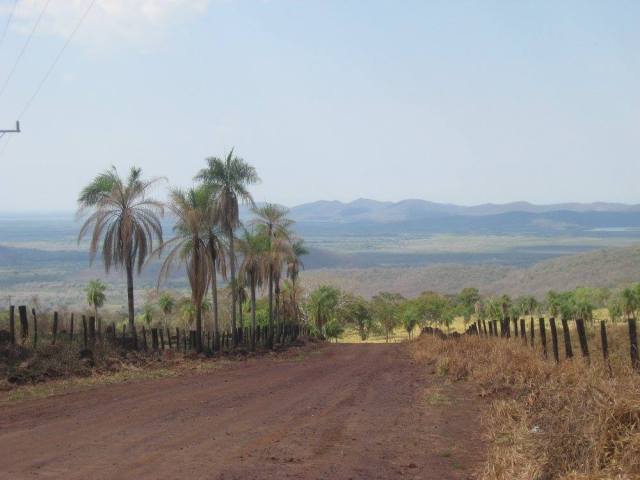



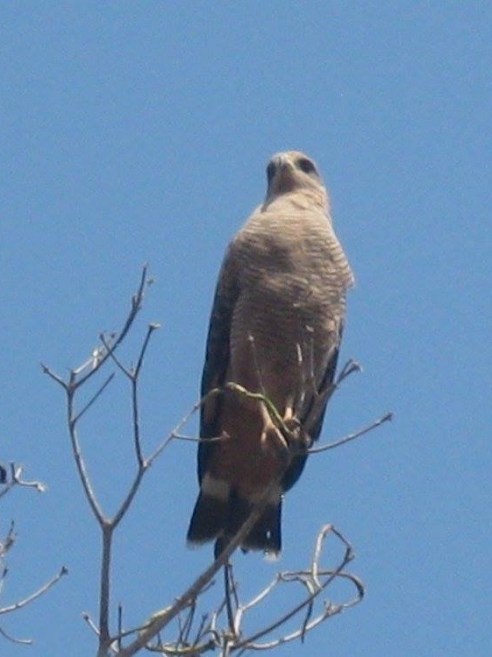 Harpy eagle.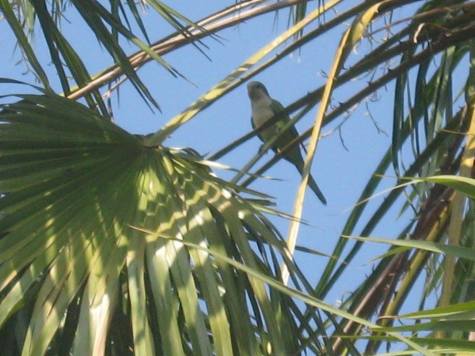




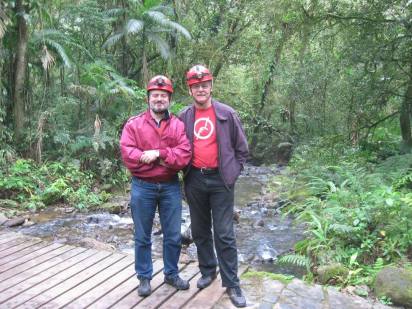 To the right, that’s Ed and me and our head protection (it’s easy to bump your head making your way through and past the tight corners, low ceilings and odd protrusions of a cave system). Below is the entrance to the Santana cave. It looks rather modest for what would wind up being an elaborate, impressive 12 km cave system. Turns out this entrance was blasted open by dynamite a hundred years ago. Originally the opening was much smaller, just enough for the water to pour out and make a strange grumbling sound, which is why it initially was called the Snoring Cave.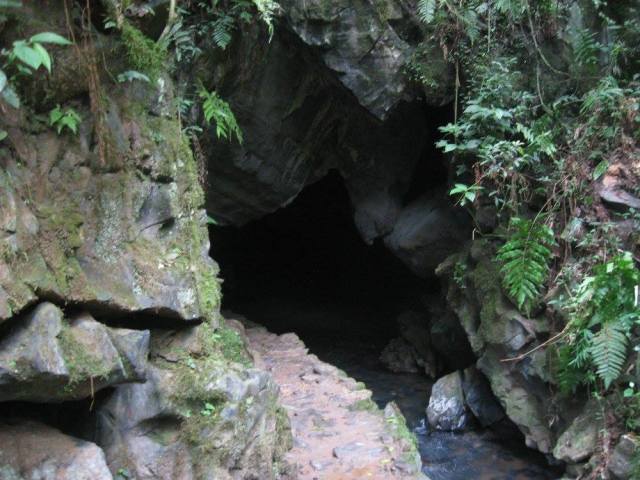
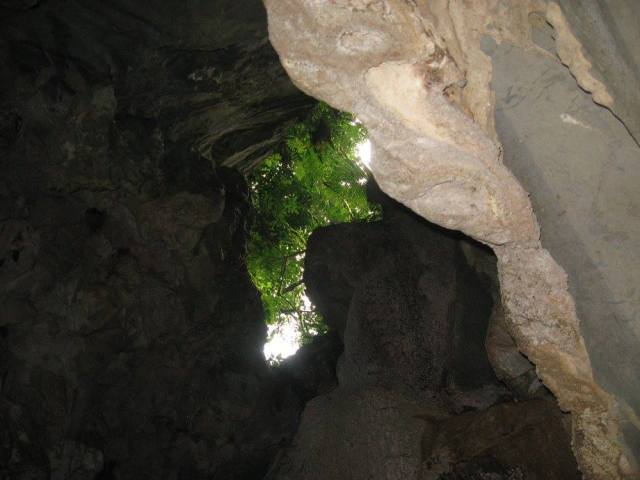
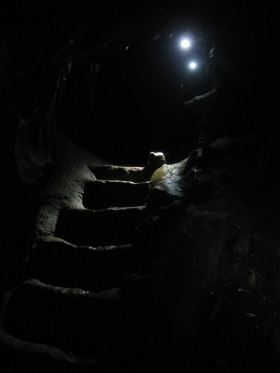
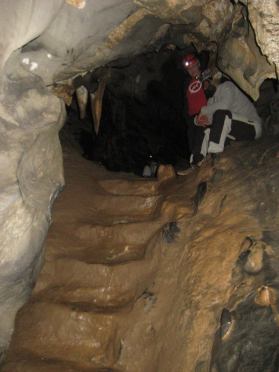

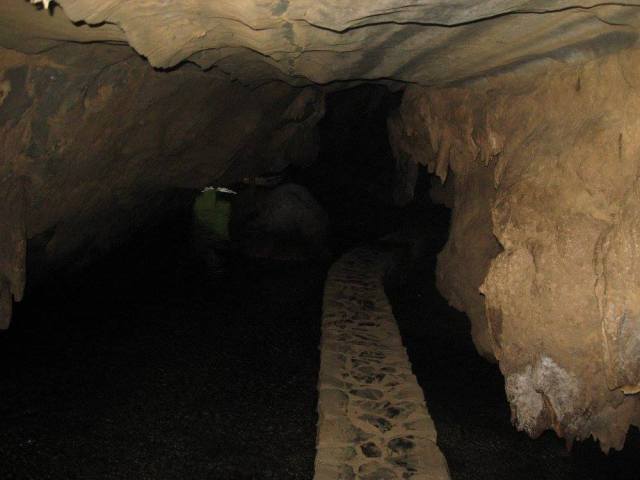
 Above and beside you can see some of the walkways we took to get through the cave system. Ed says “I love about Brazil that you can do things here that would be considered totally unsafe for tourists in America”.
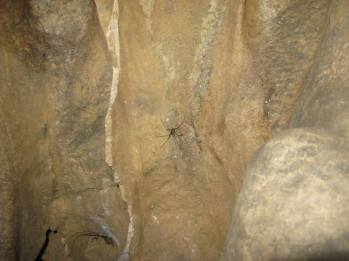 There are animals that live exclusively in the caves, like this spider.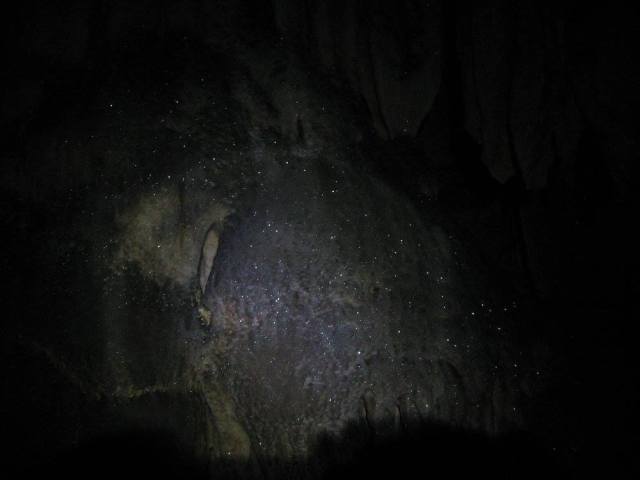
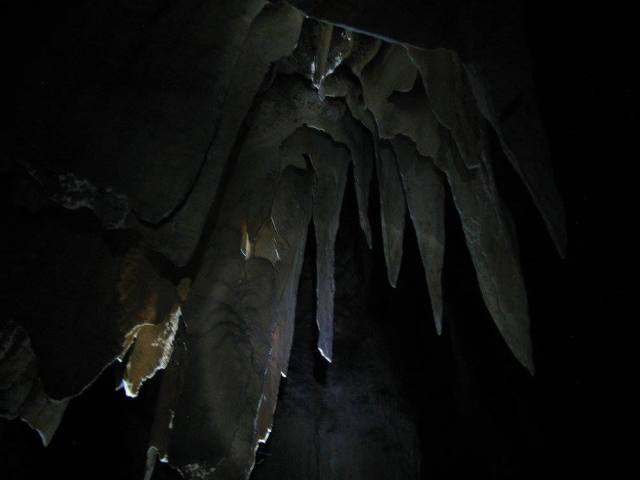
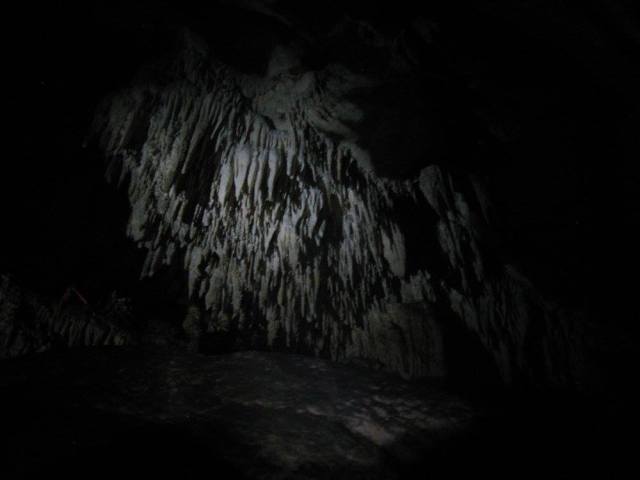
 Ed is looking at a rock formation which is called the horse’s head for obvious reasons.
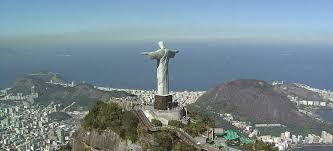

 Today’s tour through Rio will conclude on Corcovado. And I promise you I will be sharing pictures of Cristo Redentor that are unlike the typical postcard pictures or Google Images you will find of the iconic location. Our visit there turned out to be less than typical, and that will be reflected in my photos.






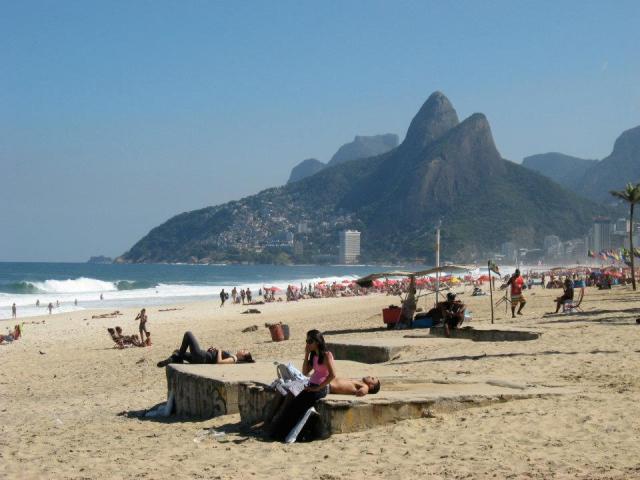
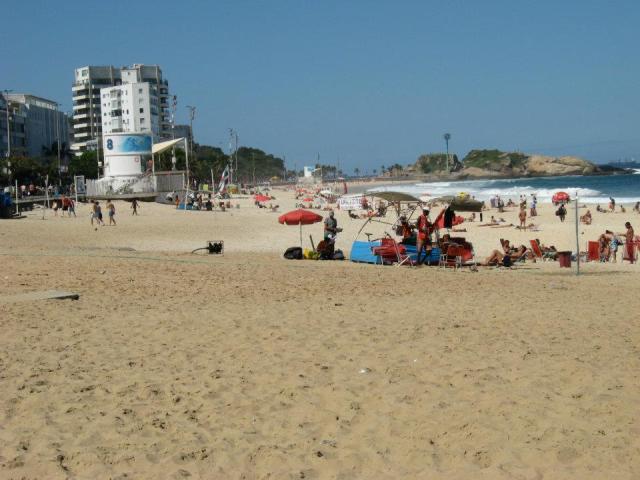
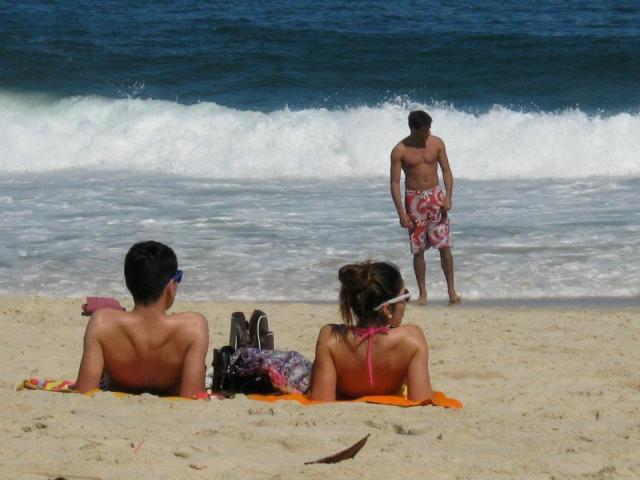

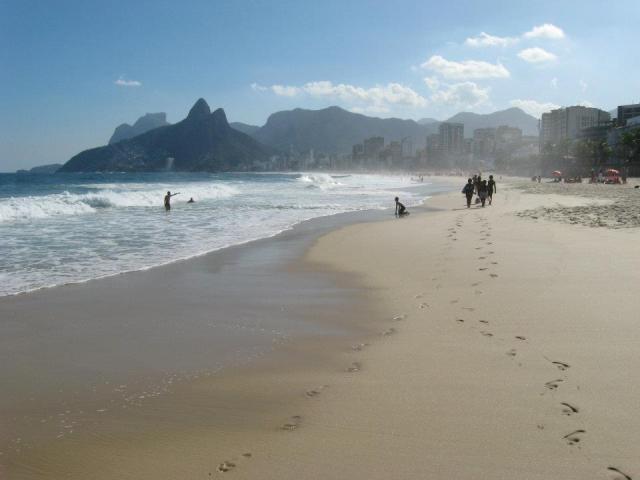
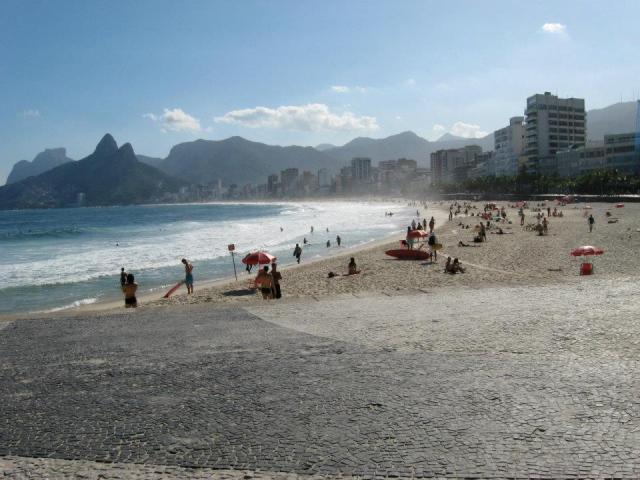
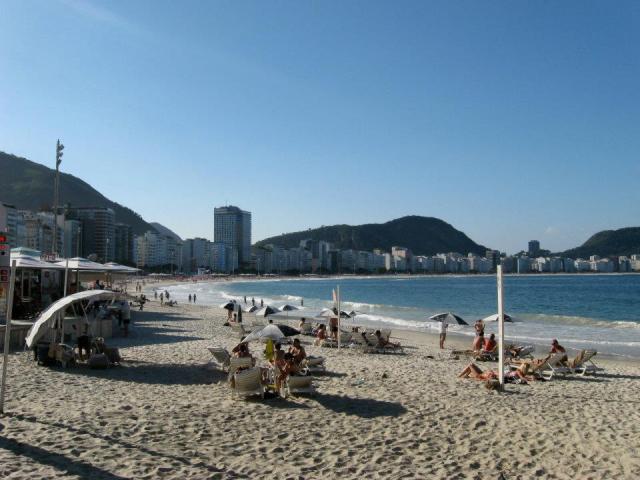


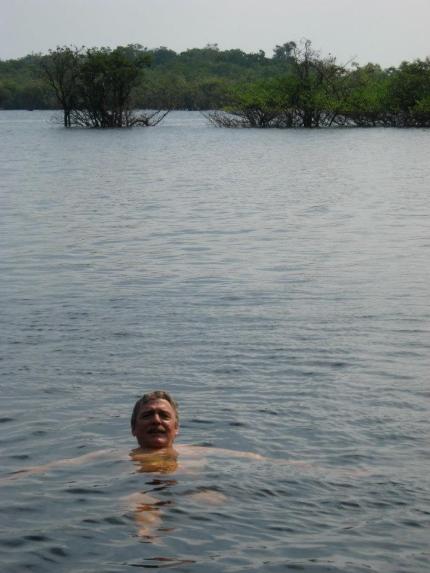


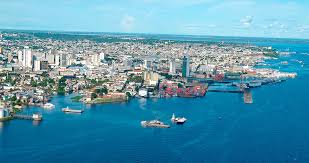
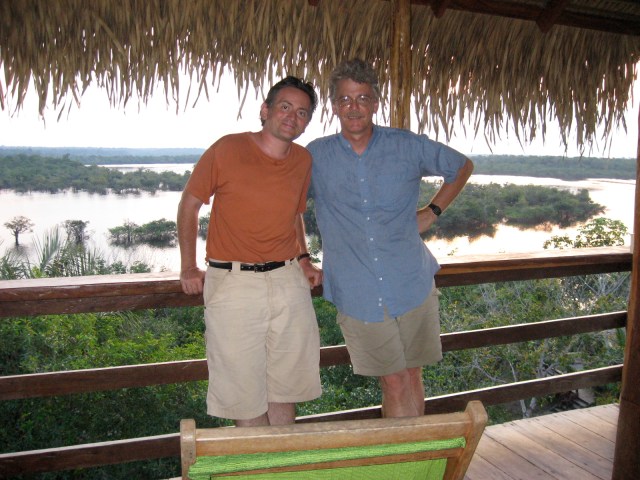
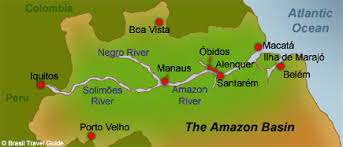 The second part of this post will take us to the waters of the Urubu River, an Amazon tributary where we spent an “Adventure Weekend” after leaving Manuas (These pictures are from our Brazil trip 4 years ago).

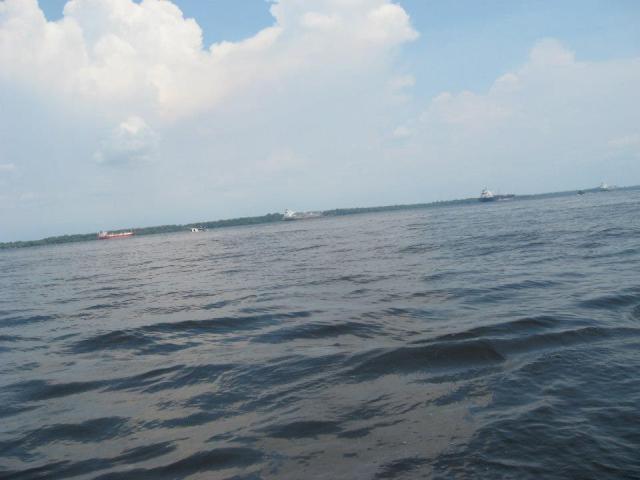
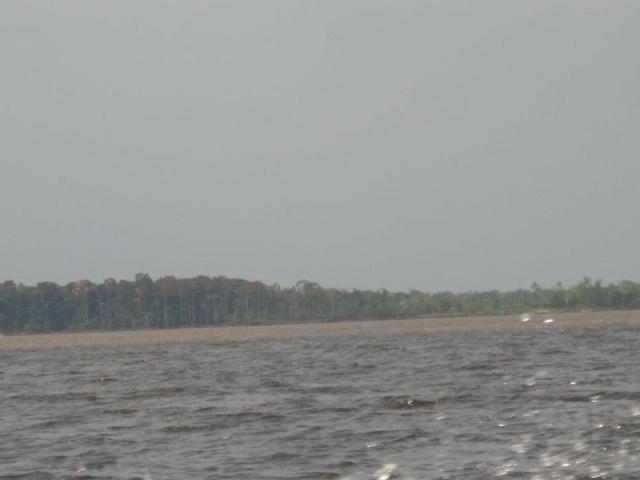





 Four years ago Ed and I spent a fantastic August touring Brazil. This month we do it again. Which means Notes from a Composer is going to go all out on a Brazil themed









 Notes from a Composer