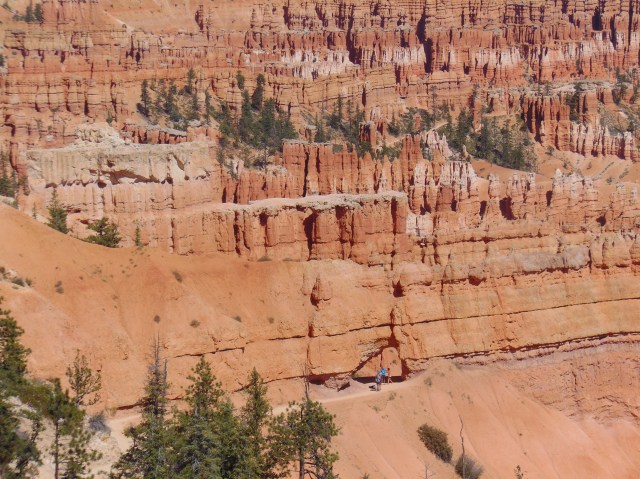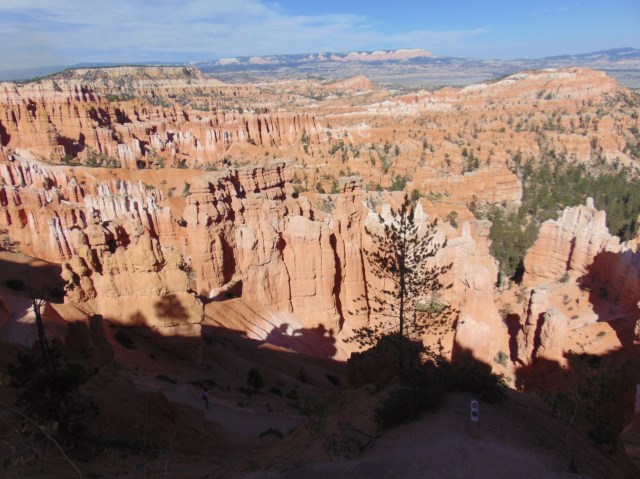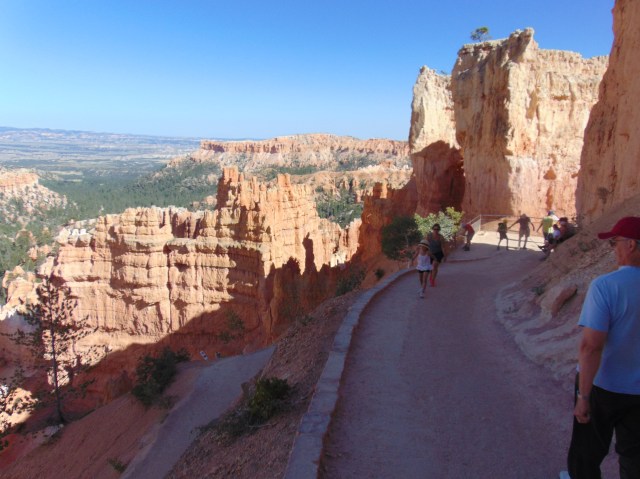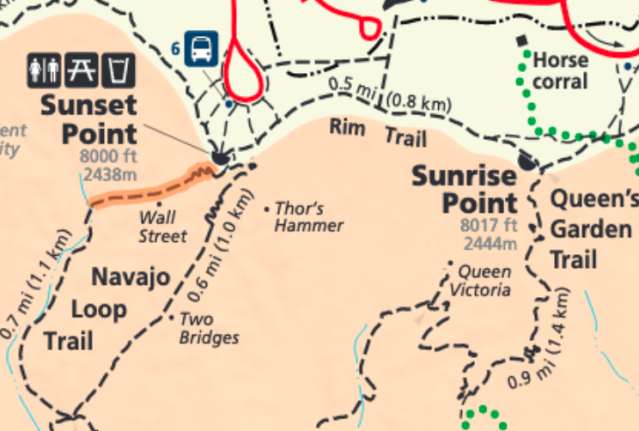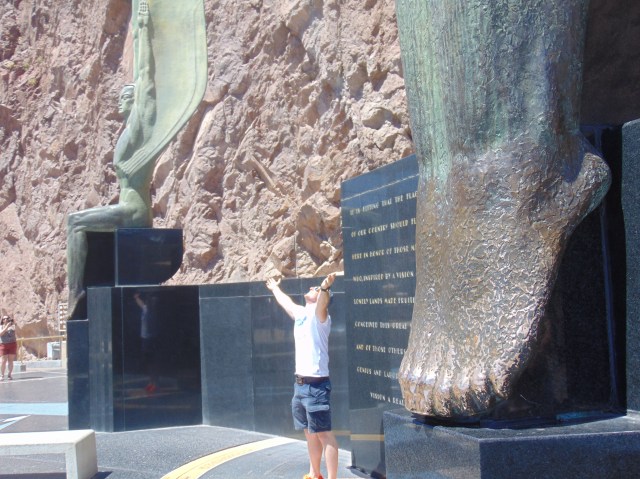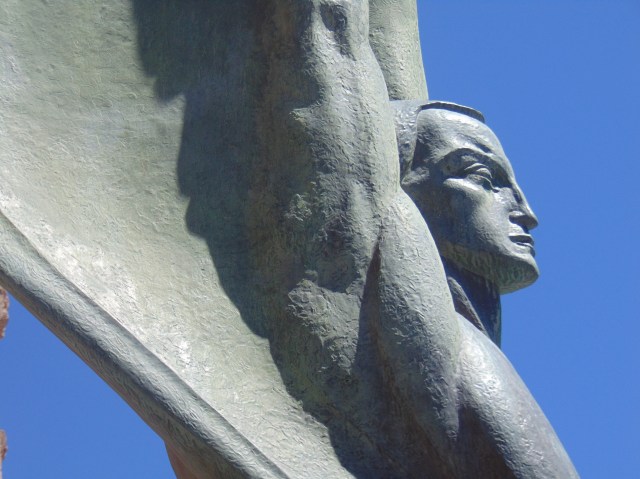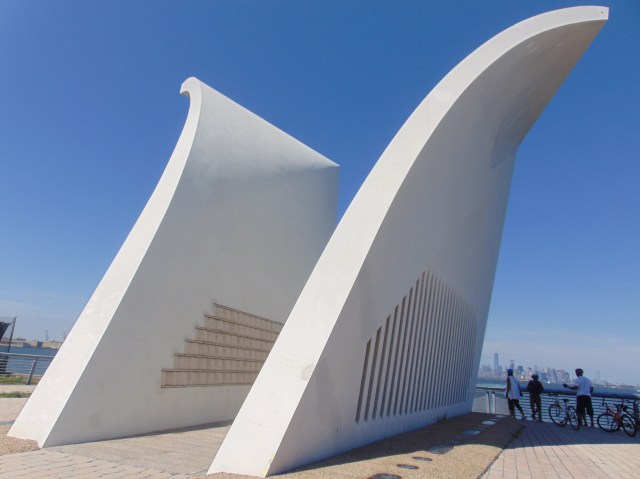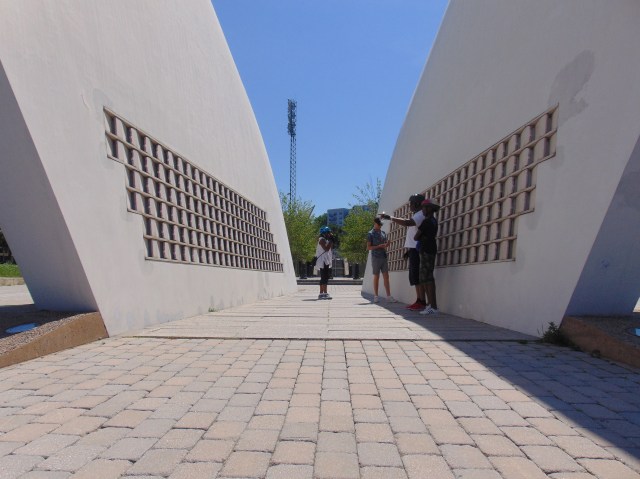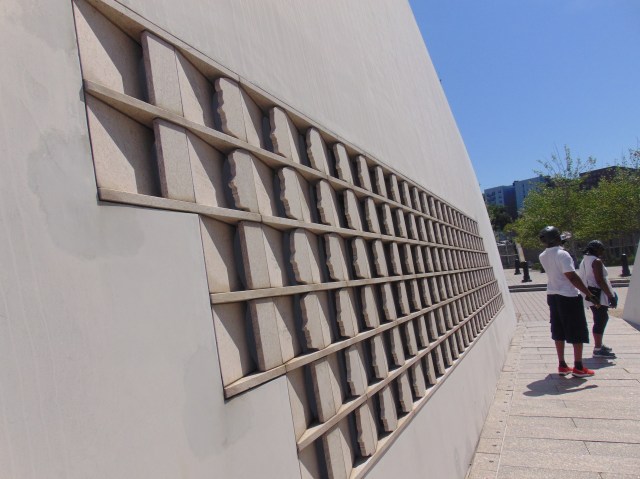
This year at this date, I would like to share photos I took earlier this summer at the Staten Island September 11th Memorial, just across the water from Manhattan’s financial district, and the new World Trade Center.
The memorial lists the names and sculpts the profiles of Staten Island residents who were lost.
I will include recordings of my 9/11 oratorio “The Song of Job 9:11”.
You can watch video of a concert and listen to and read more about that piece at its designated page.
And that may be true, or it may just be a somewhat devilish advertising slogan.
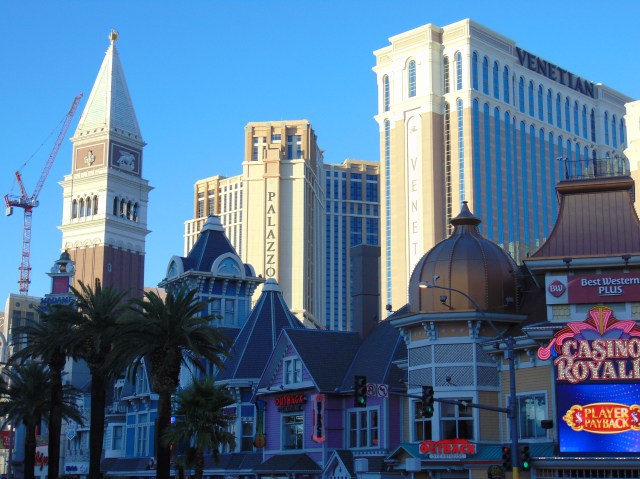
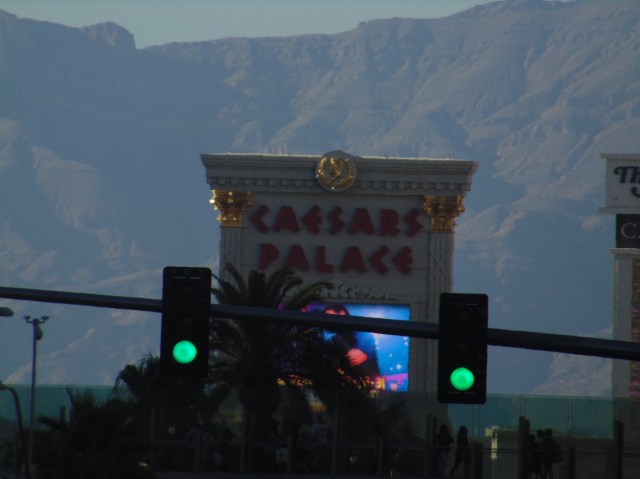
But these photos of Vegas, or more specifically, the famed Vegas Strip of hotel casinos and their alluring attractions, didn’t stay there. I brought these home to share with you.
For what that’s worth. Some photos and some pithy commentary may not substitute for experiencing the real thing. Think of this as a tease then. A Las Vegas Strip Tease…
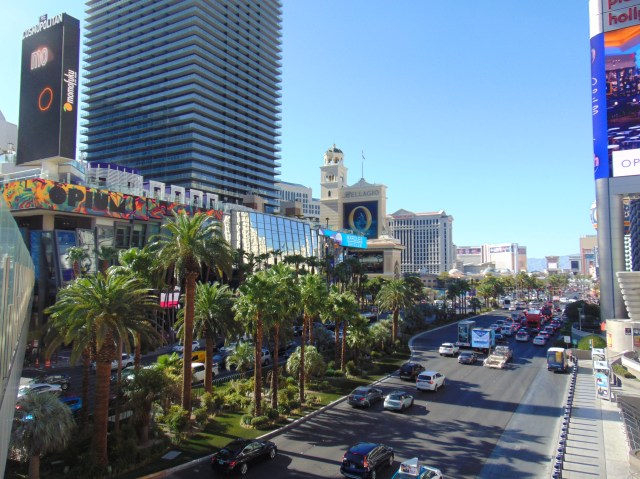
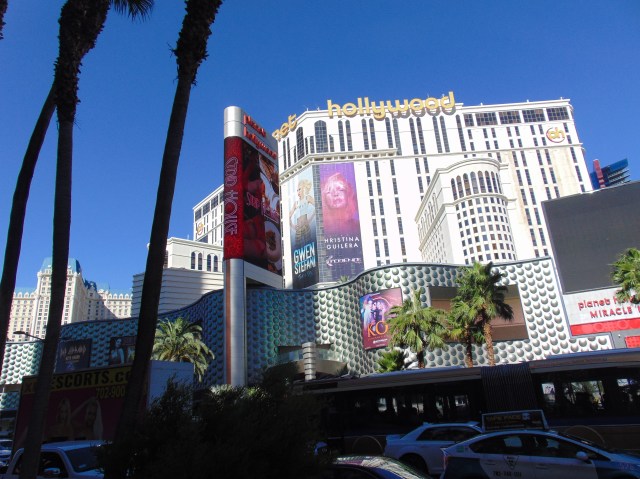
We’ll start with some day time wide shots of the Vegas Strip. We’ll get to the night later. And we will get inside many of the more famous hotel and casinos too, past the outer facades, so to speak, to examine the inner facades …
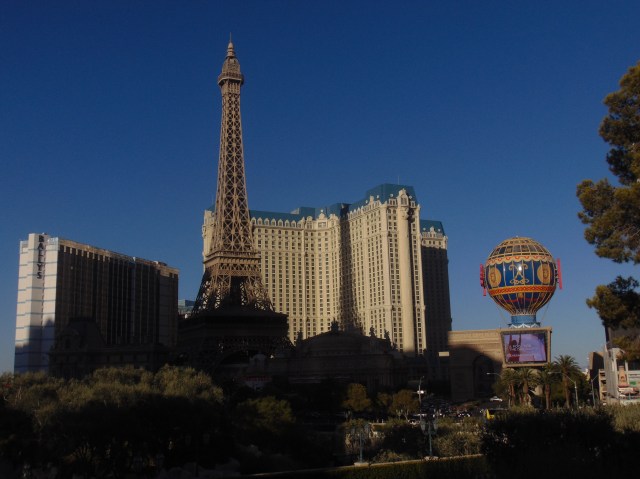
No, that’s not the real Paris Eiffel tower, of course (just as that’s not the real Venice Plaza de San Marco tower below). It’s part of the Paris hotel and casino, only one of many hotel casinos that are constructed like theme parks, including actual rides, as I’ll show later when we visit them one by one…
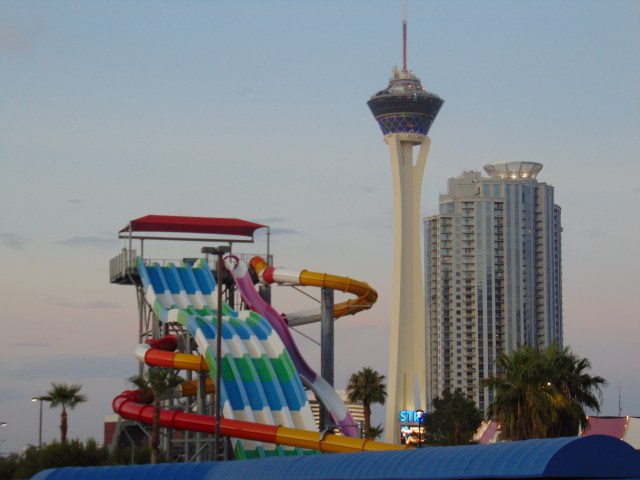
Ed and I actually slid down that particular water slide below, twice. But I must say it’s a rather brutal thump in the groin as you take that final splash at the bottom.
Behind is the Stratosphere Tower, which boasts sky high thrill rides dangling from the tower. I however only seldom saw these rides in action whenever I glanced at it from afar.
Ed and I are not into gambling, or malls, or booze, or let’s face it most of the attractions Las Vegas offers its approximately 33 million visitors annually. So why did we visit? Well, it was actually our fly-into point to embark on a grand tour of many of the great National Parks of the American Southwest. I’ve already posted a fewintroductoryposts along those lines, and I’ll be sharing much more of that exhilarating beauty in many blog posts to come.
Yet this blog post is all about Vegas, baby!
Regarding Las Vegas, I have always wanted to see some of the Cirque du Soleil extravaganzas ensconced there. We enjoyed Zumanity, Ka, and O. The latter two, with their especially designed theaters and elaborate productions, are unique live shows that can only be experienced in their specific venues. Those shows quite literally, logistically, will stay in Vegas, only to be enjoyed there.
As a friend of mine told me, some people spend their money on gambling, some on theatre. Different kicks for different tricks. Fair enough.
But I haven’t yet heard of one’s theater addiction resulting in bankruptcy, destroyed relationships, rehab and theatergoers anonymous. Just saying.
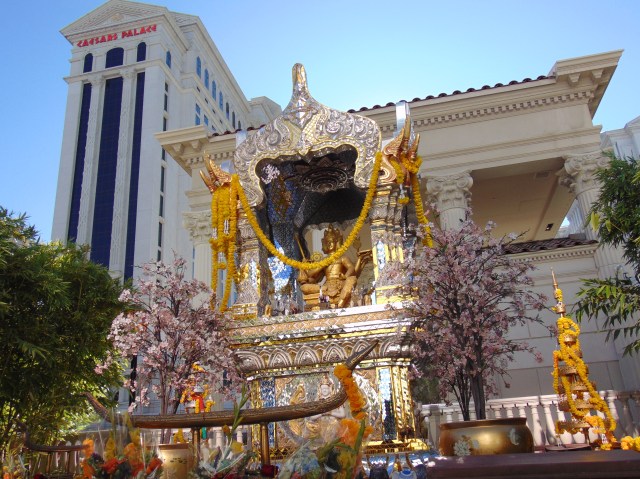
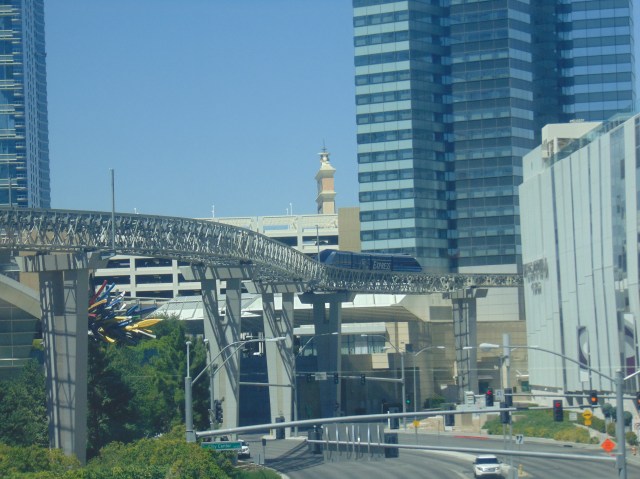
Above, the Shrine Of Four-Faced Brahma. Below, the Vegas strip monorail.
Just a little amuse bouche of photo and music quiz
in between larger courses of Two-fisted Touristing
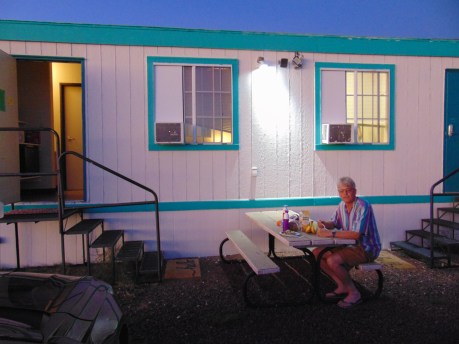
Ed and I stayed a few days in an airbnb 20 miles south of the Grand Canyon (major photo blog post to come, but be patient; there’s a major cue of major Great American Southwest photo blog posts forming here at Notes from a Composer’s Two-fisted Touristing division).
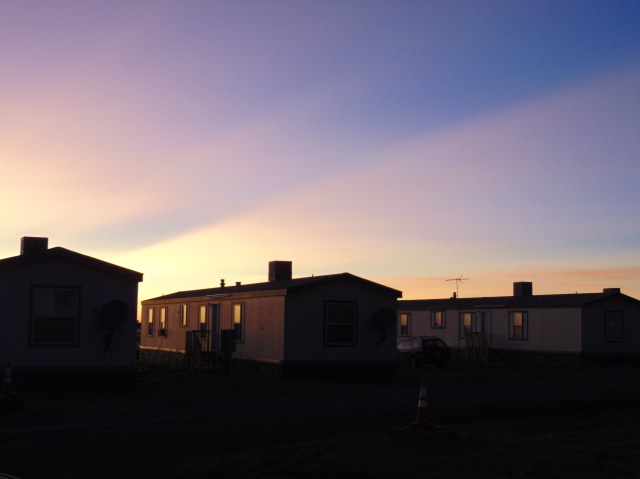
Eating dinner on the picnic table by our humble temporary abode we enjoyed lovely sunsets. So here are a few lovely pics of that, accompanying a little sunset (and trailer park) related music quiz (as ever, the answers are tucked in the tags below).
Sunset Music Query #1: This track, titled “Sunset”, is from which Tom Ford directed movie?
Sunset Music Query #2: Which British Pop Goddess is singing about the “Sunset” here?
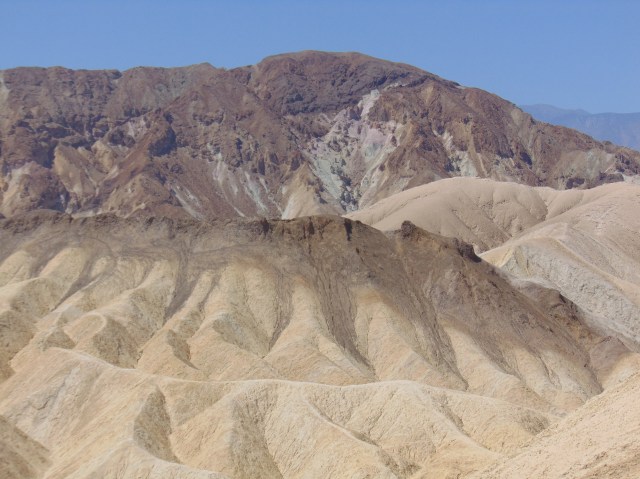
Our first stop in Death Valley, after driving two hours west from Las Vegas, was Zabriskie Point. A million years of volcanic emissions, lake-bed sediments, seismic activity, and rainstorm erosion created this fascinating landscape.
The actual Death Valley, as seen from Zabriskie Point:
(those odd creaking sounds may be from my camera, I’m afraid…)
As we leave Zabriskie Point to view many more otherworldly, beautiful sites, here is a detail of a map of Death Valley, encompassing all the stops we made this day:
The Furnace Creek Visitor Center keeps you abreast of the temperatures. 110F (44C) seemed really high to us when we arrived.
East of Las Vegas. West of Lake Mead. North of the Hoover Dam.
A Day in Valley of Fire State Park.
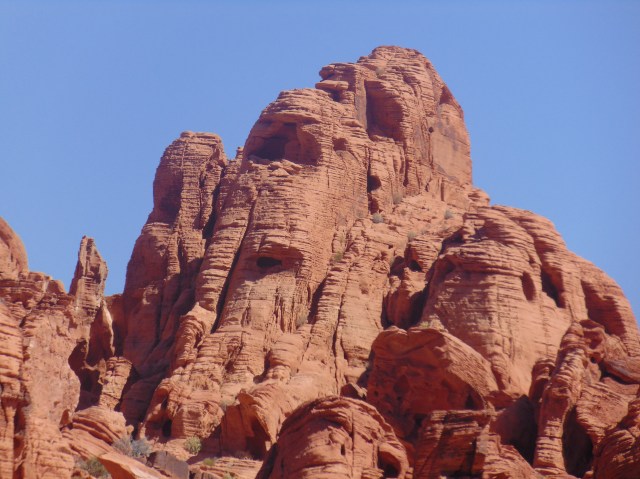
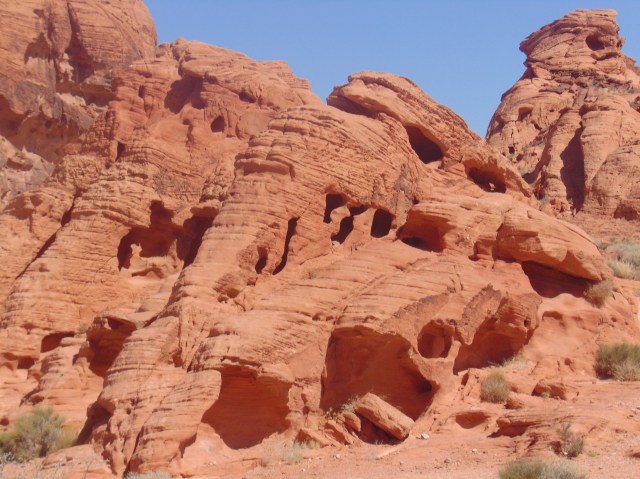
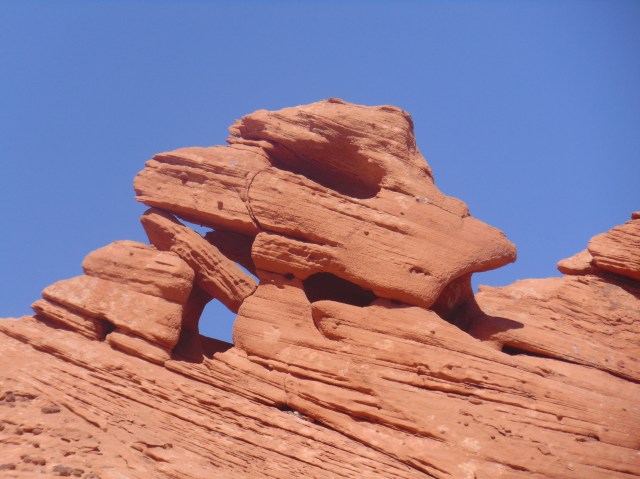
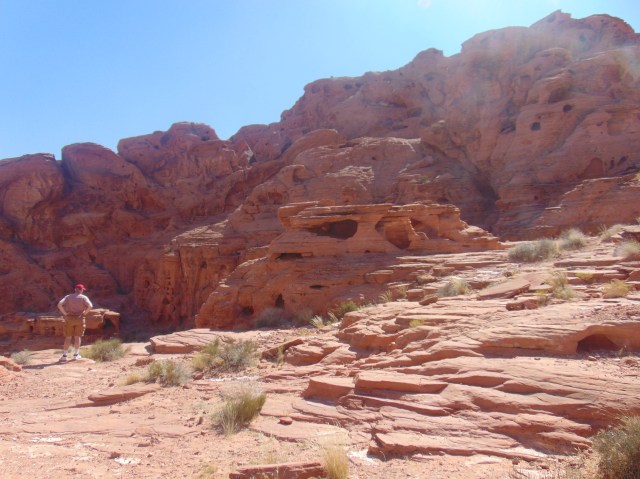
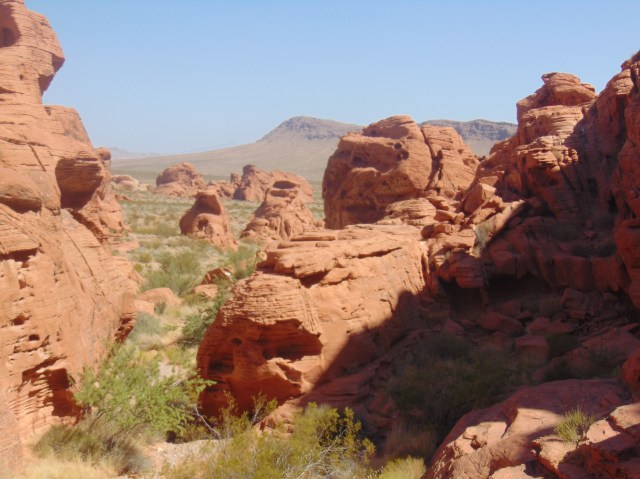
We start our tour of the Valley of Fire in and amongst the Beehives, wonderfully fabulous red rock formations, sculpted by the wind and the (occasional) rain over thousands of years.
Ed and I flew into Las Vegas last weekend. It’ll be our base for a week (more on that later) as we plan a tour of the Great American West, or as much of it as we can manage. I’ve never been to this perhaps grandest part of this great country, and I’ve always wanted to. So this is the year that particular dream is being fulfilled.
That’s why my first post of this series of Twofisted Touristing chronicles will start with a desert park, not the glitz of Las Vegas lying just a few miles to the east of Red Rock Canyon.
It is natural wonders these posts will be mostly about after all.
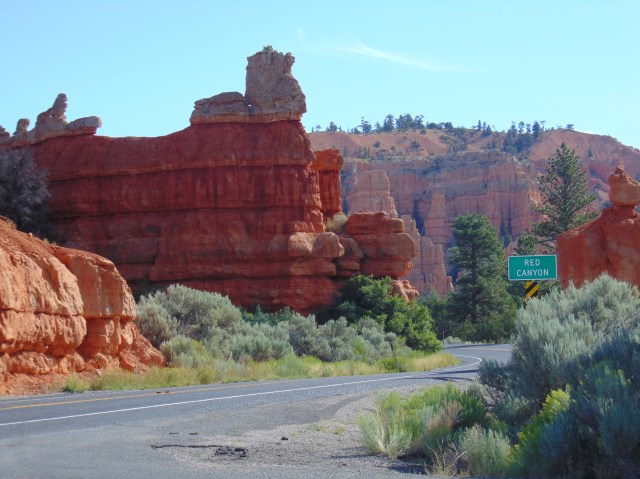
Just a hop, skip, and a 20 minute drive from the part of Las Vegas where whatever happens happens to stay, is the scenic drive that takes you on an easy access loop past some of the main attractions of Red Canyon National Conservation Area. The view above is from the visitor center.
Below, a hiker on one of the many hiking trails through the desert and into the mountains.
The visitor center has humming bird feeders, which attracted this little fellow with the bright red neck:
The view of Las Vegas from the park.
First stop on the scenic route road: Calico I.
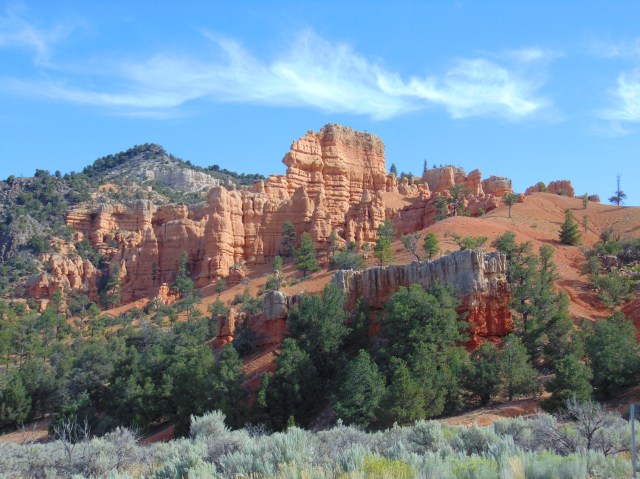
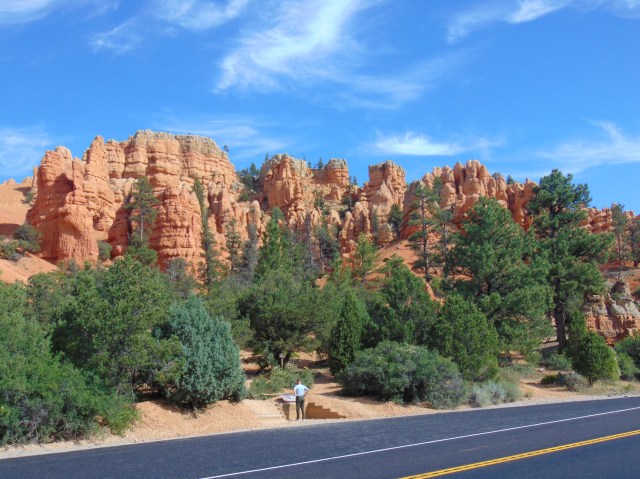
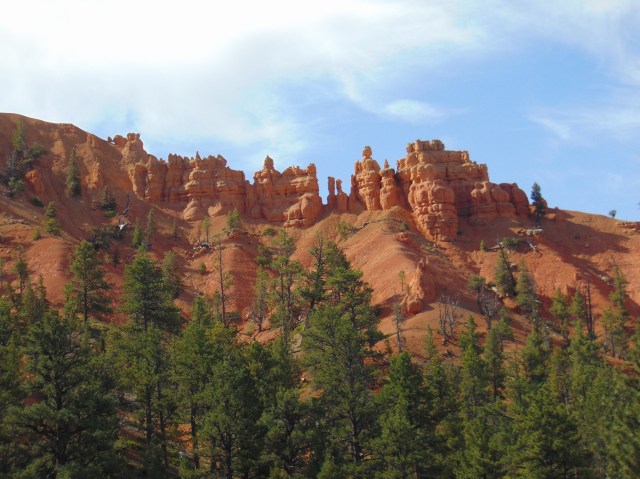
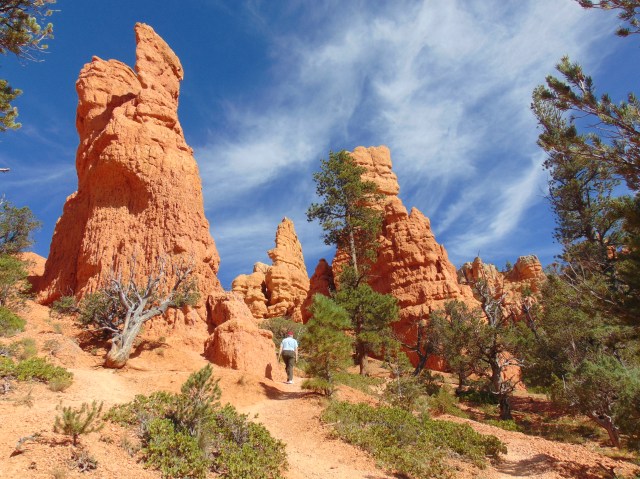
I would guess these are the rocks that give Red Rock Canyon its name.
This formation looks a bit like a giant turtle.
Let me see how well I remember what I learned at the visitor center. These rocks were formed from primordial sand dunes, which themselves formed after the primordial ocean, that once covered these parts with water, disappeared.
The darker red rock is from a more recent geological age, the lighter rock is older.
The lines in the rock are various levels of sand before they petrified into stone.
At the visitor center we were reminded to leave no trash (Ed found himself picking up glass and other items fellow travelers had discarded), and to “leave the park better than we found it.”
Which brings me to these four whimsical stone sculptures (peace sign, heart, smiley faces) previous visitors created. Is that leaving the place better than they found it?
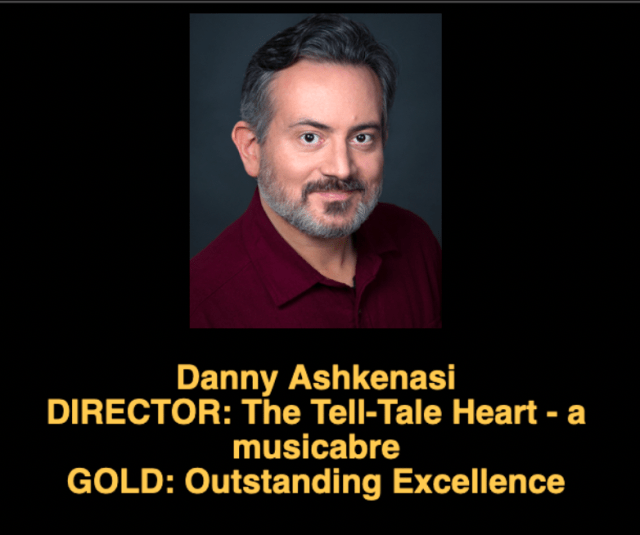
Todd Maki, the sound engineer on our short film “The Tell-Tale Heart – a musicabre” surprised me this morning with an email with no subject heading and merely “just for fun” written in the body of the message. Attached was the following video clip, which he titled “Todd’s New Ringtone”:
The clip is from early in the film, quoting a line from the third paragraph of Edgar Allan Poe’s text. Todd had some fun replacing the cello music originally accompanying the narrator with a cheery “ding”.
Maybe I should ask my VFX guy Austin Lepri to add a starlight twinkle to my eye, like in those old detergent commercials.
Some views out the window on our flight home from Wisconsin will accompany this music quiz (as ever the answers are tucked within the tags below).
Sky Music Query #1: Who sings this song called “Big Sky”?
Sky Music Query #2: Who sings this song called “The Big Sky”?
Remember the days when pop artists released 12 inch vinyl extended versions of their hits? Well I do, because I’m old that way, and here is the 12 inch version, the “Meteorological Mix”, of “The Big Sky”:
“That cloud looks like cumulus castellus.”
“That cloud is nothing but trouble.”
“That cloud looks like … hmmm… one of those …”
“That cloud looks like snow.”
“No it doesn’t!”
“This cloud ought to be removed immediately!”
Sky Music Query #3: Of course I will include a song called “Sky Fits Heaven”. You probably can easily identify the singer. Can you also name the album it’s from?
Ed arguably spent the flight more productively than I:
The same friend who treated us to the SCA benefit performance “Snow White and the Seven Hos” invited us to see that show’s impresario Michael Roth’s latest romp “The Sound of Recovery Music”. Once again a beloved classic musical would be lovingly, trashily repurposed as a hysterical inspirational parody polemic about overcoming one’s addictions.
We meet our heroine Maria twirling on a mountaintop singing “The hills are alive with recovery music”. It turns out this novitiate is a sex addict, immediately illustrated by a tryst with a hunky shirtless goatherd.
A sextet of nuns, some played by men in drag, discuss how does one solve this problem with Maria:
“I’d like to say a word on her behalf:
Maria …
would fuck a giraffe!”
Mother Superior sends Maria to the home of Captain van Smack, where she is to be a temporary governess to the Captain’s seven children, all of whom have addictions of their own. Friedrich has a meth problem (in addition to being an insatiable power bottom), Brigitte has a gambling addiction, Louise a food addiction, Kurt is a pothead, and so on. While the diverse cast of adults playing the children were only a few years out of adolescence, Gretl, the youngest van Smack child, was played by a gnarly 60something in drag.
The children struggle gamely and uproariously with their various addictions. Soon we see Liesl singing with boyfriend Rolf about their sobriety journey: “You’ve got six days, going on seven days…”. (The actor playing Friedrich also played Rolf, which makes sense since both Rolf and Friedrich are both so obviously homosexual in the original movie; as I said to Ed when we later watched Liesl dance with her brother in the movie: the dear girl is fated to dance only with blond gay boys).
Maria bonds with the kids through cheerful songs that aid sobriety and recovery. When they struggle with their addictions, she rallies them by singing about having memories or waking up without mysterious bruises in “these are the joys that recovery brings” (although there is a dark part of me that wants to remember this song rewrite as focusing on “those are a few of my triggering things”). And, rather than teaching them, say, the names of musical notes, as another governess might, Maria teaches mnemonic melodic phrases about the 12 steps (“One, you quit, you say that’s it…”).
11 Hours of Pride NYC – Watching and Marching – a Photo Diary
11:30am – Ed and I perched ourselves at 17th Street and 5th avenue to await the start of the 50th NYC Pride march at noon. At 3pm we were scheduled to assemble with the Quaker contingent to join the march. That alone told us it would be a particularly long Pride march this year, not surprising since it is the 50th anniversary of the Stonewall Riots that sparked the modern Gay Rights movement and the yearly Pride marches on the last day of June.
But this Pride march, and our part in it, would last even longer than expected, much longer.
The march begins. As is traditional, the “Dykes on Bikes” roll by first.
This post may give away some Tell-Tale movie musicabre design secrets!
Why suddenly a spoiler alert? I have been blabbing about the main plot points of “The Tell-Tale Heart – a musicabre” in several posts already, why suddenly get all precious with a spoiler alert?
Well, the other posts talked about plot points that are well known to anybody who read or possibly even heard of the original Edgar Allan Poe story “The Tell-Tale Heart”. But today I am going to share some crucial set design tidbits. And the set design, particular the wallpaper this post focuses on, may reveal aspects of our short film that have more to do with our cinematic storytelling concept than the Poe plot. And though I will try to be a little cagey in what I reveal and how, not give all away but try to keep a certain amount of mystery alive, it won’t take too much effort to read between the lines, or among the photos, how the set design might have been utilized as a story telling device.
Above is the back of our set, in the theater space we turned into our film studio for a week.
And below is the wallpaper our set designer Nicholas Callais found. It would have to ultimately fulfill multiple functions.
Most obviously, it would be the wallpaper of the old man’s bedroom. You might remember from Edgar Allan Poe’s story, how the infamous murder of “The Tell-Tale Heart” takes place in an old man’s bedroom.
Below you can see the bedroom dressed with furniture and framed pictures. And film equipment. And an overturned mattress on the floor indicating which particular scene is being shot …
“The Tell-Tale Heart – a musicabre” is in color. But the flashbacks to the time of the murder are seen in black and white. Here is a screen shot that shows how nicely the gold thread of the wallpaper reflects light.
We also see me as the narrator washing my hands in a big bucker of water. Why would I be doing that…?
Here we are shooting the shot you see above. That’s Nicholas to my right, and D.P. Jason Chua and Assistant Cameraman Harry Walker behind the camera.
If you look closely at the pictures on the bedroom wall, you can see a certain special someone making an appearance…
A Pride Month Special Look at “I Will Survive” and Some of its Many Covers
with particular ruminations on what we will survive, or not
The Original – Gloria Gaynor
If one were to choose one song to stand as the anthem for the modern LGBTQ movement – and for the purposes of this post I’ll sidestep the question whether any one song can really fairly take that mantle – Gloria Gaynor’s “I Will Survive” would surely be the obvious choice. The 1970’s divalicious disco anthem of defiance and self-worth may literally be about telling a feckless ex-lover to “walk out the door”, but with lines like “I have all my life to live, and I have all my love to give”, “I Will Survive” has always also stood for a maligned minority standing up for themselves, to live, to love, and to survive, sentiments that have only deepened with time, from Gay Liberation to the AIDS crisis to Marriage Equality and on.
The above recording is the original, or at least as close to the original as I’ve recently found. Back in 1993, before Itunes, I couldn’t find the original in Tower Records, only an “updated” version I purchased on a disco compilation cd in order to include this essential number for Ed and my wedding music cassette (remember mix tapes, that tangible limited edition forerunner of playlists?). This remix, posted below, was very much influenced by the recent success of Madonna’s “Vogue” (you can hear it in those piano riffs):
The “Vogue” – inflected 1990’s Remix – Gloria Gaynor
We will survive … Bishop Torbin, Pride Flag burners, the Administration’s assault on transgender healthcare and right to serve, and all the verbal, physical, social and political gay bashing that is still out there even after all the exponential progress for the LGBTQ community in recent years. They are still trying to turn the clock back, and the fight is still very much on, but we will survive… we will thrive.
The original Gloria Gaynor record reigns supreme. But my personal favorite cover is also the version that is the most different from the original. Recorded by the Danish trio Funky Nashville, it is very, well, funky and Nashville, replete with a spaghetti western electric guitar taking on the original’s famous string obligatos. It especially earns its Gay Pride of Place through its prominent inclusion in the German Gay soccer comedy “Männer Wie Wir” (“Guys and Balls”).
The Out West Version for Men – Funky Nashville
Another personal favorite is The Puppini Sisters doing what the Andrews Sisters would have done to “I Will Survive” if they had recorded 1970s disco standards, and had a wicked, winking sense of humor. I especially love their classical vocal take on those famous disco string obligatos.
The Andrews Sisters Revival – The Puppini Sisters
And while we’re listening to jazzy stylings, we better include Scott Bradlee’s Postmodern Jukebox take, with Sara Niemitz slaying the vocals and the brass section hot-jazzing those obligatos. Their studio recording is slick, but the live version is smokin’:
Jazz Hot Cover – Scott Bradlee’s Postmodern Jukebox featuring Sara Niemitz
We will survive … Trump. If we rid ourselves of him and his minions in/by 2020. Otherwise, well, we’ll probably still survive him, but American Democracy may not survive. Along with the toll of immigrant children dead in detention centers, citizens murdered by emboldened white supremacist terrorism, unregulated guns, diminished health care access, the inevitable escalating outrages of Trumpian fascism.
As Pete Buttigieg, one of so many excellent choices running for president on the Democratic side, said, this next round is not merely about winning an election, it is about winning an era. Will we in the U.S. – and in the world – usher in a new era where we turn away from division and deviousness and destruction? Or will we succumb to the antidemocratic, kleptocratic, fearful, hateful, truth rotting disease Trump exemplifies?