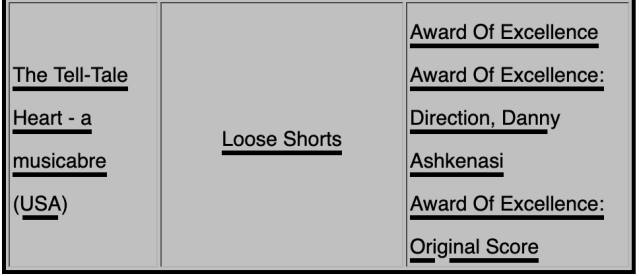
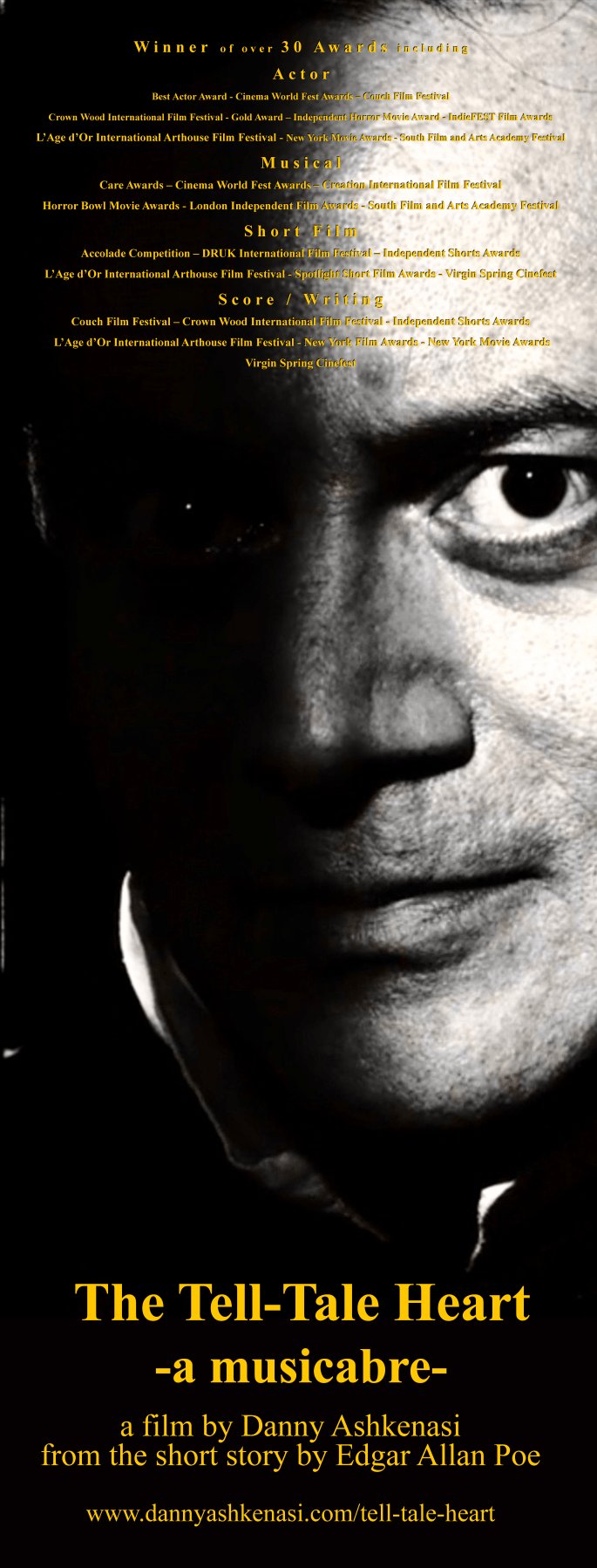
The Global Film Festival Awards in Los Angeles just announced awards of Best Horror Short for “The Tell-Tale Heart – a musicabre” and a (runner-up) Honorable Mention Best Director award for me.
They even released this slick announcement video:





I am in the middle of reading Isabel Allende’s new book “A Long Petal of the Sea”, about refugees from the Spanish Civil War brought to Chile through the efforts of the poet Pablo Neruda.
I came upon a passage about Quakers that I decided I just had to quote to my husband Ed, a Quaker to the Quaker manor born, when he comes home from work. 34 pages later there was another passage about Quakers. I read them both out loud to Ed and now quote them here:
on page 70
Elizabeth took her to the home of an English Quaker couple she had worked with when they were on the Madrid front, offering food, clothing, and protection to child victims of the conflict.
“You can stay with them as long as necessary, Roser, at least until you give birth. After that, we’ll see. They’re really good people. Quakers are always to be found where they’re most needed. They’re saints; the only saints I respect.”
and on page 114
This was the day of the departure, and the poet still needed a lot of money to pay for this immense transfer of migrants. The Chilean government refused to contribute, arguing that it would be impossible to justify the expense to a hostile, divided public at home. To everybody’s surprise, a small group of very formally dressed people suddenly appeared on the quay, volunteering to pay half of every passage. When Roser saw the group in the distance, she handed Victor the baby and ran to greet them. Among them were the Quakers who had taken her in. They had come in the name of their community to fulfill the duty they had set for themselves ever since their origins in the seventeenth century: to serve mankind and promote peace. Roser repeated to them what she had heard from Elizabeth, “You always appear when you’re most needed.”
I’m still reading the book, but suspect that now that the boat has left Europe for Chile, there will be no more passages about Quakers to quote. But if there are, I will share those too.
Out of love and admiration for my Quaker husband and relatives.

Isabel Allende

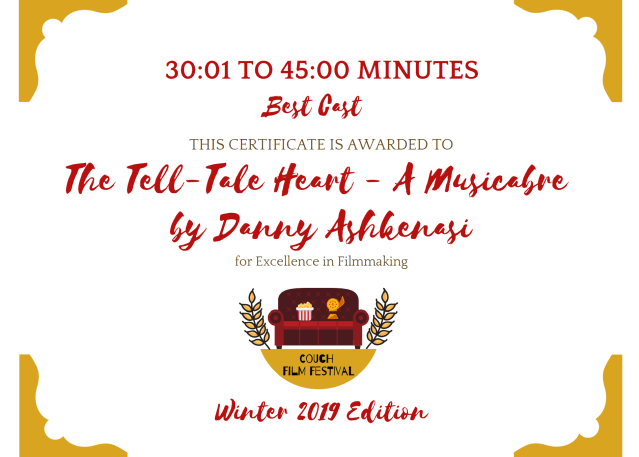
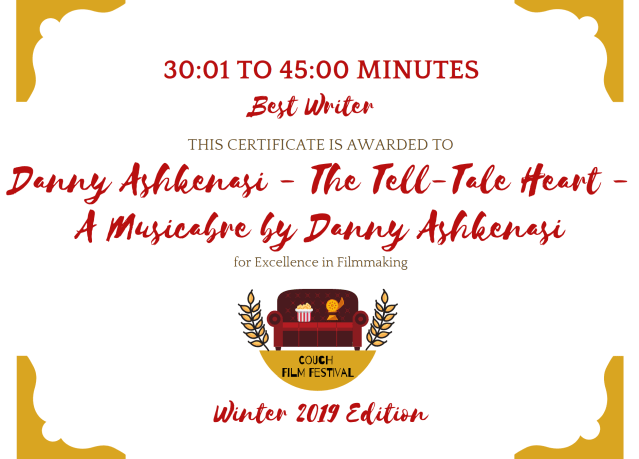
Another laurel on the “Tell-Tale Heart” wall.

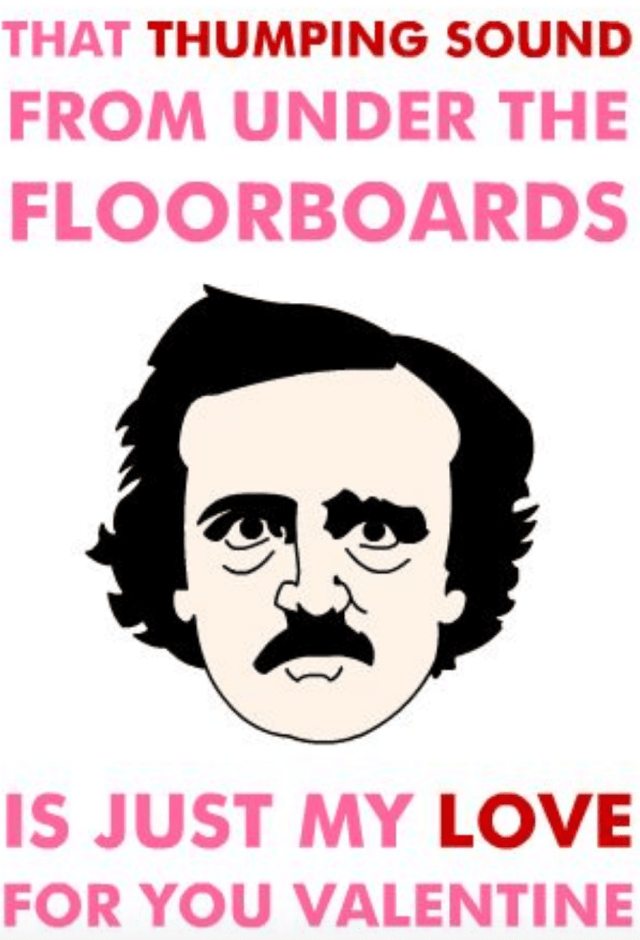
And while I’m here, since yesterday was Valentine’s Day…



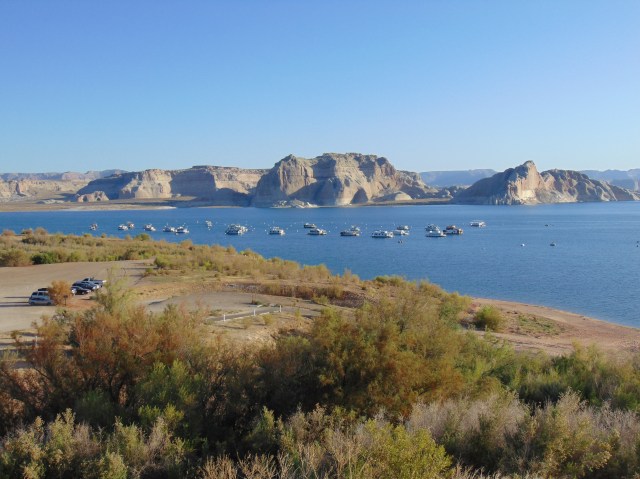
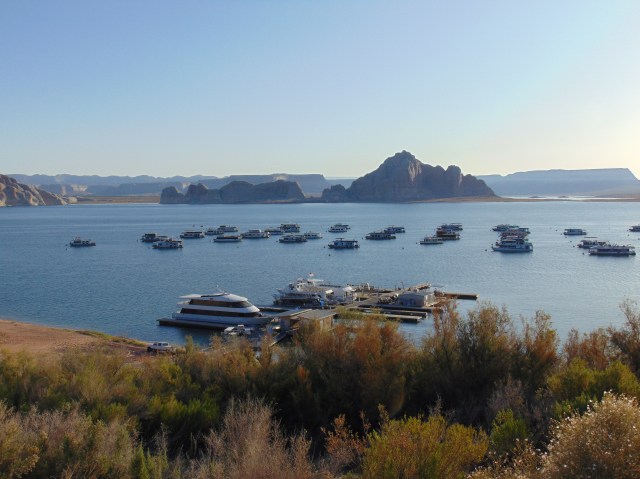
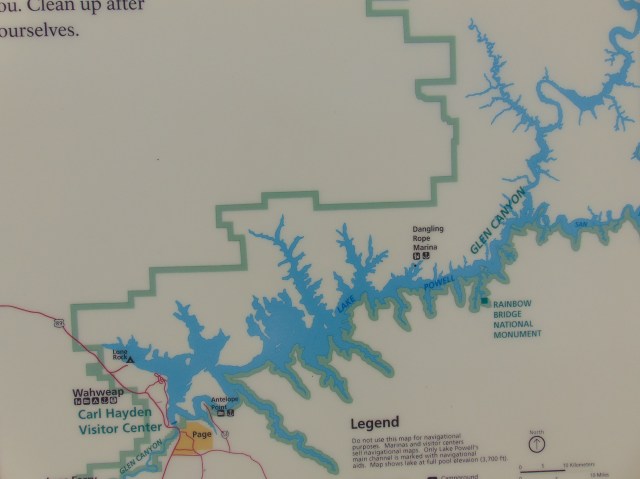
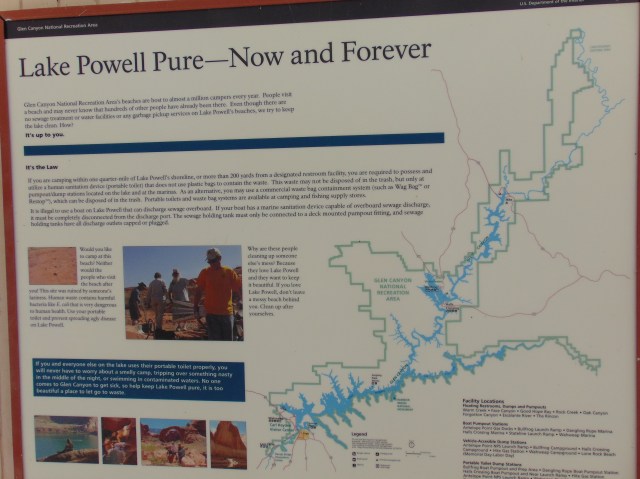
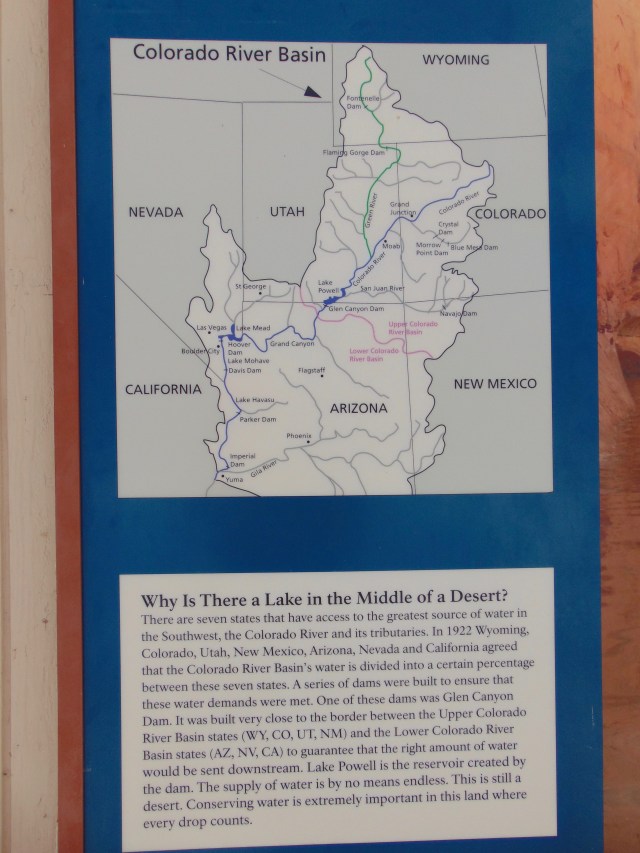
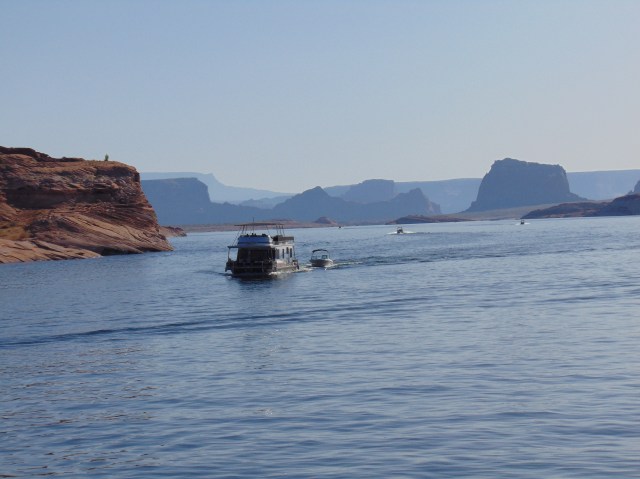
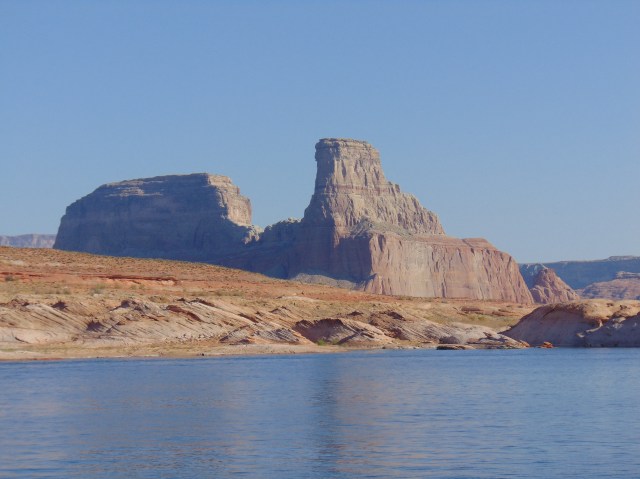
Lake Powell is a manmade lake, created by the Glen Canyon Dam at the Arizona side and mostly snaking deep into Southern Utah, filling the canyons carved out by the Colorado River.
To get to our boat trip we arrive at the marina by Page, Arizona, just north of the dam.
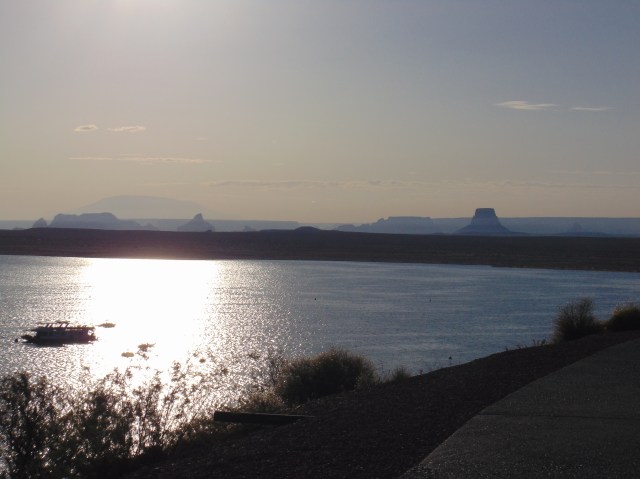
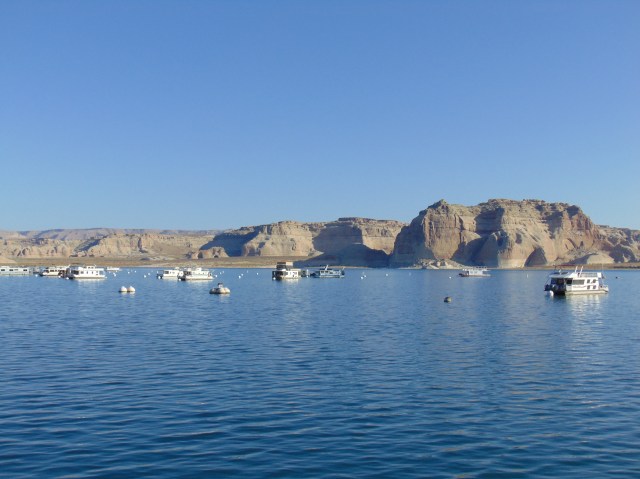
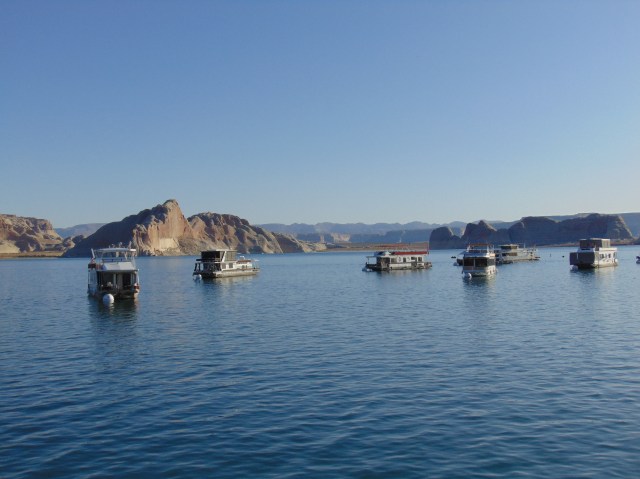
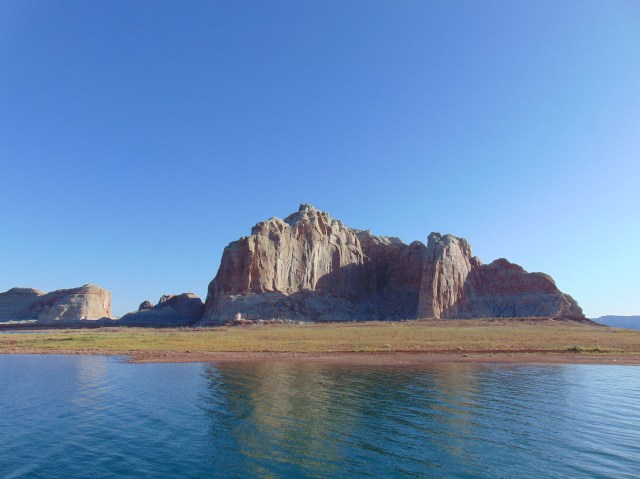
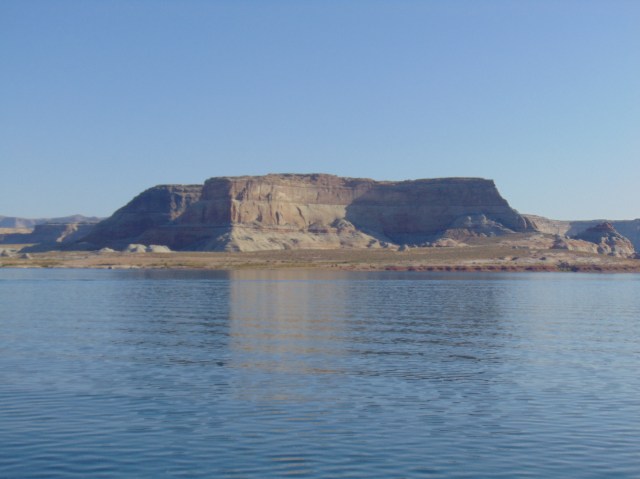
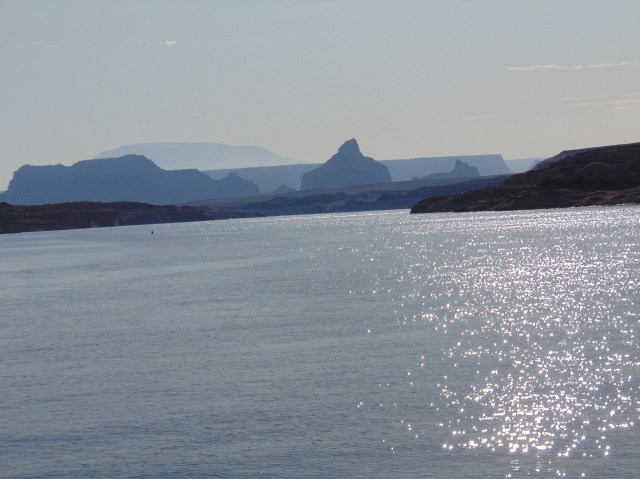
This is the part of the lake we travelled over three hours to get to Rainbow Bridge National Monument.

January 10, 2020, my short film “The Tell-Tale Heart – a musicabre” played at the Dunedin Film Festival in Dunedin, Florida, part arts mecca, part retirement community across the bay from Tampa and north of St. Petersburg.
I spent an abbreviated weekend there, attending the screening of my film and giving a Q&A and an interview, complete recordings of which can be accessed in this post.
But first, the feature on the Dunedin Film Festival itself, made for local broadcast. The section on “The Tell-Tale Heart – a musicabre” and me starts around the 1:46 minute mark. Some of the footage they excerpted from the film might be considered (mild) spoilers, revealing one or two of the film’s secrets:
The complete footage of my interview, conducted by Justin Catacchio, associate producer at Dunedin TV, including its humorously awkward false start, can be viewed here:
And here is audio of the Q&A I gave after the screening. Again, some of the questions and my answers might be considered mild spoilers:

The official Dunedin International Film Fest stand on Main Street, with three festival volunteers: Robbie Bourgeois, Peggy Nyland and Judy Goldy.

Welcome to Florida.


The Dunedin Marina.










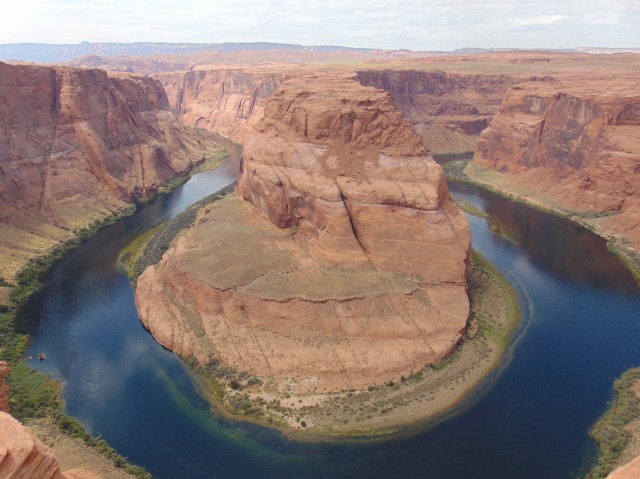
Horseshoe Bend is the dramatic loop the Colorado River cuts through the land just south of Lake Powell by Page, Arizona.
 Lake Powell was formed by the building of the Glen Canyon Dam 1955 – 1966, which in turn created the town of Page.
Glen Canyon Dam lies where Route 89 crosses the Colorado River, with Lake Powell snaking northwest in the canyons formed by the river over millenia.
Horseshoe bend is just Southeast of the dam and lake. It’s been around for millenia too, carved out by the Colorado River taking a particularly eccentric loop eastward before continuing on in its basically consistent southwesterly way, a journey that will eventually form the majestic Grand Canyon.

After you park your car off Route 89, you have to walk a kilometer to get to the Horseshoe Bend overlook.
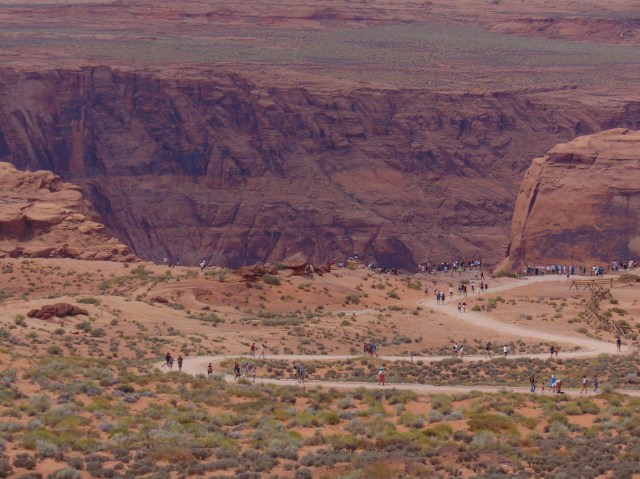
Arriving at the Horseshoe Bend overlook, starting low and tilting up…
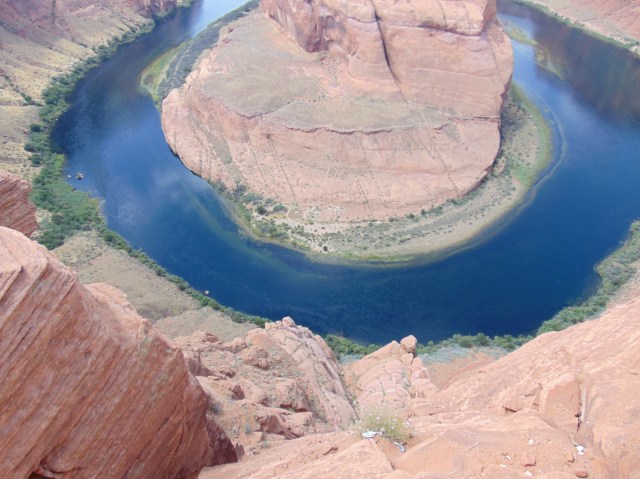
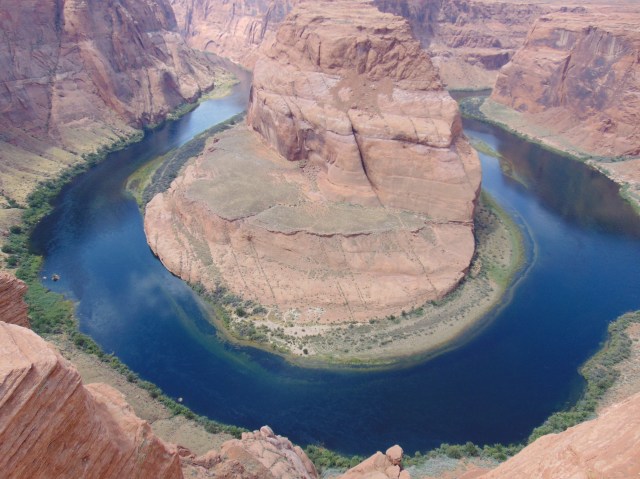
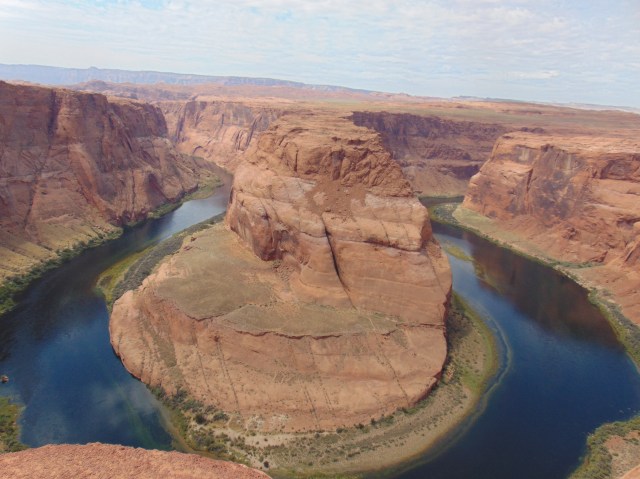
Looking left/south of the bend.


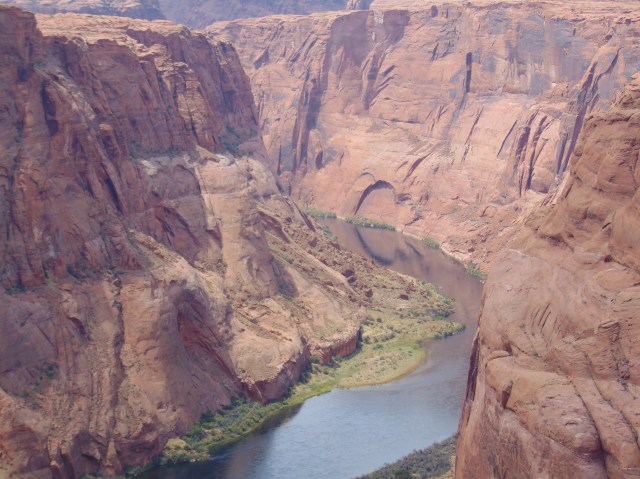
Looking right/north of the bend.

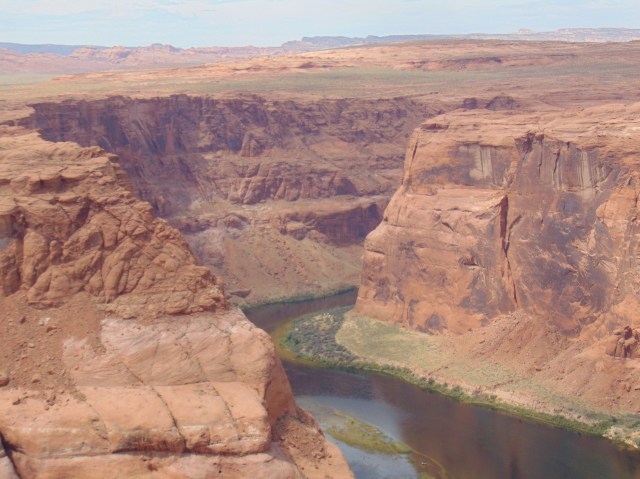
And walking about the plateau for more perspectives.


After we visited the North Rim of the Grand Canyon, we didn’t immediately drive down to the South Rim. We first drove to Page, Arizona, on the shore of Lake Powell. A Lake Powell boat ride booked for the next day, we spent our first morning in the area visiting the Upper Antelope Canyon.
Below, Ed walks to the left of our Navajo guide into the canyon.
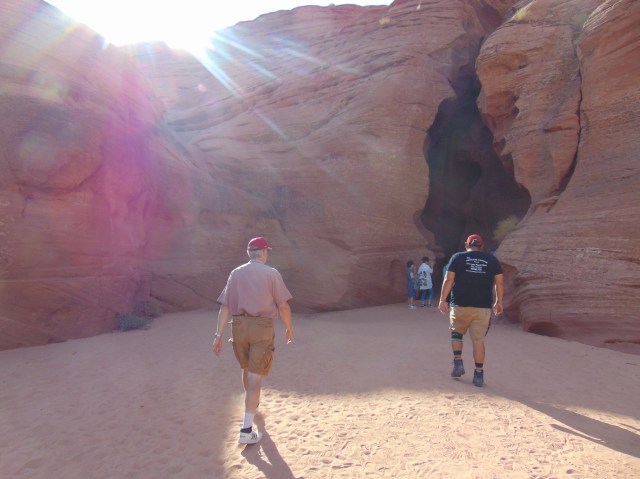
The canyons are in Navajo land. The only way to enter them is to book a tour ahead of time with a Navajo tour company. Our group drove about 20 minutes from Page in a large all terrain vehicle. Off the highway we drove on sand roads to reach the canyon.

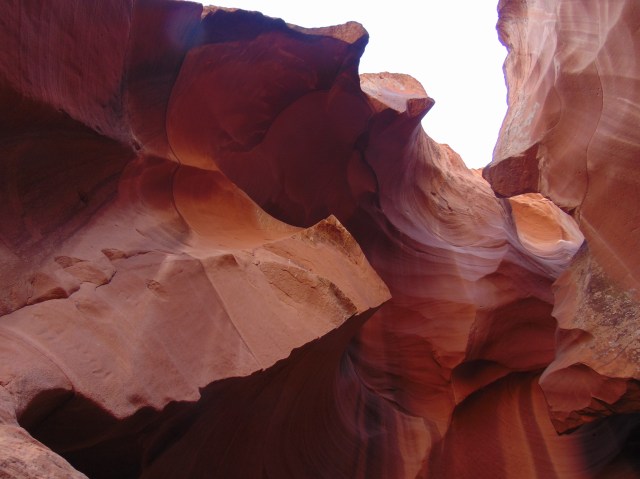
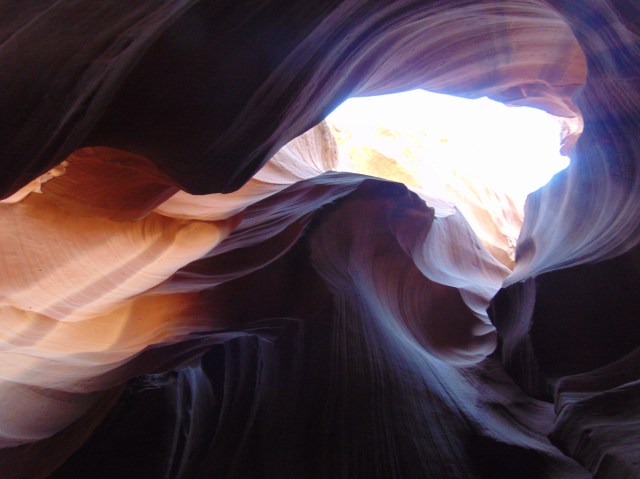
Antelope Canyon is a slot canyon formed by sandstone erosion. Rainwater runs from the basin above the slot canyon sections, picking up speed and sand as it rushes into the narrow passageways. Over time the passageway has eroded away, deepening the corridors and smoothing hard edges to form characteristic “flowing” shapes (thank you, Wikipedia).
Flash floods still occur, and periodically force the closing of the canyons to visitors. Before the Navajo regulated tourism, there had been time when spelunkers were killed by flash floods inside Antelope Canyon. Twelve people were killed the last time such a calamity occurred, according to our guide.
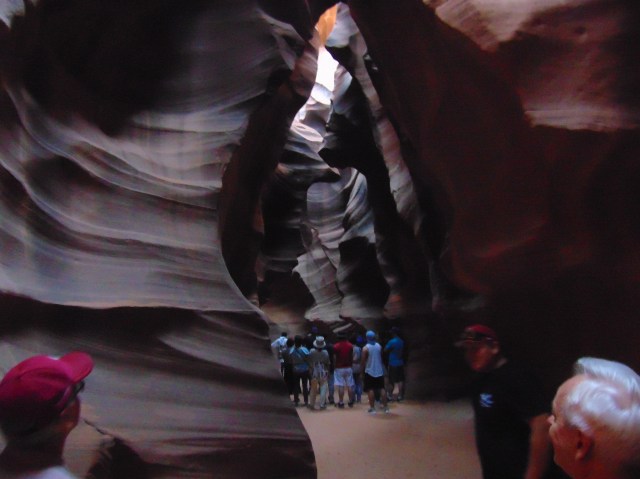

There are famous Antelope Canyon photographs of sand drifting in the air, hit by shafts of light from above. Those pictures are achieved with patient planning and special equipment. You won’t see images like that here (except the example excerpted to the left). But nonetheless, even in a limited time, walking the approximate 660 feet (200 meters), jostled by many other tourists with their phones out, I believe I was able to take some evocative beauty shots worth your time and eyes.








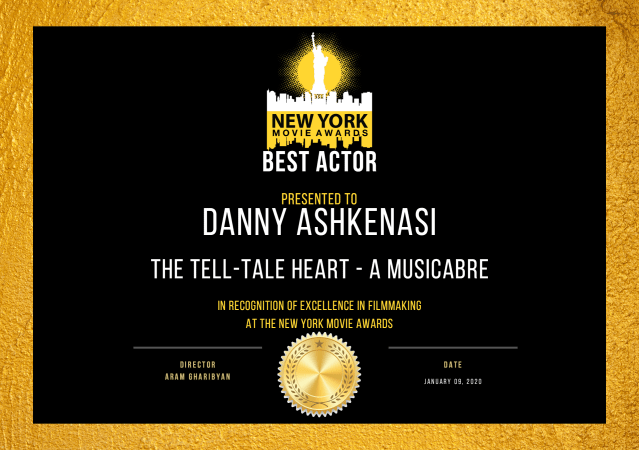


For the full New York Movie Awards list go here, for more on Tell-Tale Heart go here.


The Pierre Cardin: Future Fashion exhibit at the Brooklyn Museum is coming to a close today. I went last Thursday, and found my shutterbug instincts whipped up until my cellphone needed recharging.
Here are some of the images that resulted.
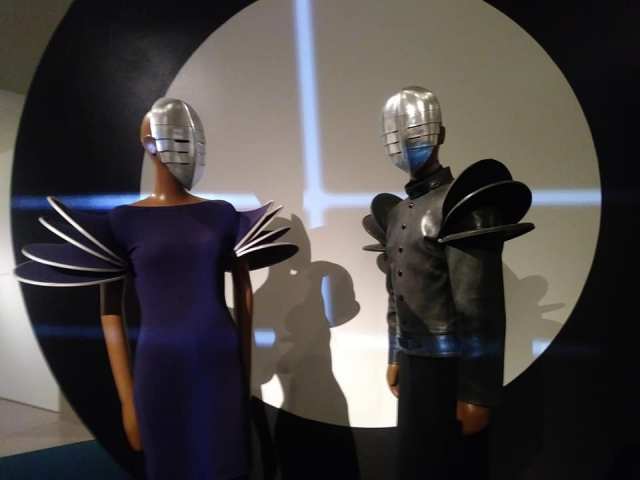


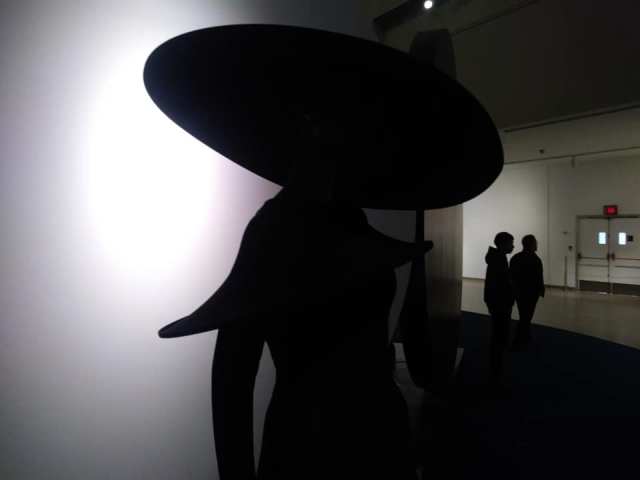
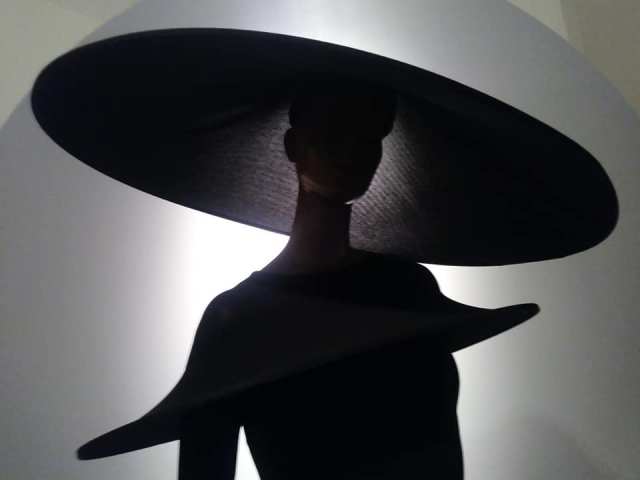

(That’s particularly sweet, since that includes my husband, Ed!)

(I’d like to think the musical score falls under the umbrella of writing, in this case at least.)

*answers tucked in the tags at the bottom of this post

Yuletide Song Quiz 1: What is the name of the Lesbian Vocal Group that sings this queer gloss on an Old Christmas Chestnut:

Yuletide Song Quiz 2: What is the name of the of the Queer Country Vocal Duo that lovingly sings “Christmastime in the Trailer Park”:


Yuletide Song Quiz 3: What is the name of the Jazz Trio that recorded this classic Peanuts Christmas Special theme: