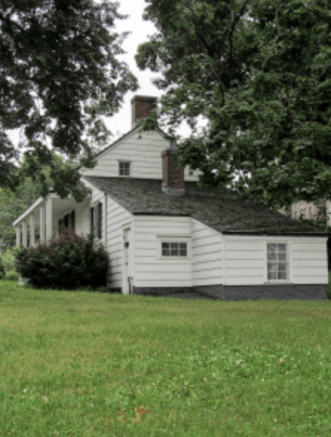
That is the Poe Cottage in the Bronx. The last home Poe resided in before he died. We had hoped to make it our Tell-Tale musicabre movie murder home.
But alas, it is not to be!
Most of the short film adaptation of my chamber music theater horror show will be filmed on constructed movie sets. But there is one half day of location shooting scheduled to shoot the entrance (and some interiors) of the home where the man who insists he is no madman kills the old man with the pale blue vulture eye, only to be driven to frenzied confession by the beating of the heart of the dismembered corpse under the bedroom floor boards.
When we heard about the Poe Cottage in the Bronx, run as a museum by the Bronx Historical Society, then learned it was available for film shoots, and perused pictures of it, we knew we had to shoot our location scenes there.
According to the Poe Cottage website, “the historic house museum is famous as the final home of the writer. At the time that Poe, his ailing wife Virginia and mother-in-law, Mrs. Maria Clemm moved in during the spring of 1846, the house was owned by John Valentine. Poe rented it for $100 per year. Virginia died in the house in 1847 and after Poe’s death on October 7, 1849 while in Baltimore, Mrs. Clemm moved out.”
How cool would it be to put in the credits of a film of the Tell-Tale Heart: “filmed on location at the Edgar Allan Poe Cottage, Bronx”.
It’s time for another Notes from a Composer musical quiz!
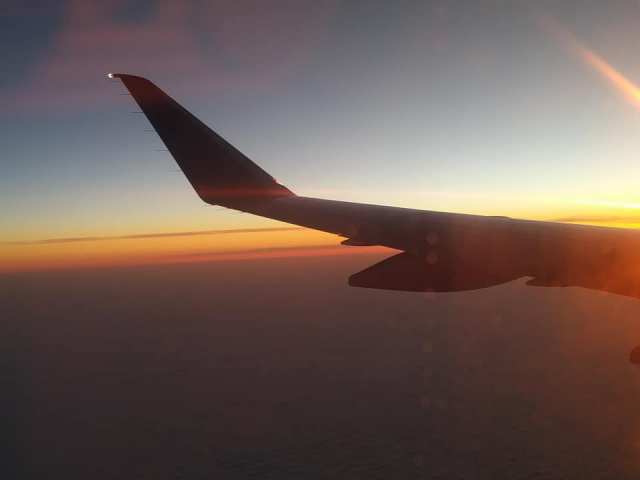
All musical tracks and/or musical quiz queries will be somehow related to air travel, to tie in to these shots I took out the cabin window of our sunset flight west from New York City to Madison, Wisconsin. We took off with the setting sun, and kept pace with it – almost – for several hours, for what would be the slowest setting sun I remember experiencing.
High Flying Music Query #1 – Which fab rock band recorded this track called “Flying”?
(as always here at Notes from a Composer, answers to the quiz queries are embedded in the tags below)
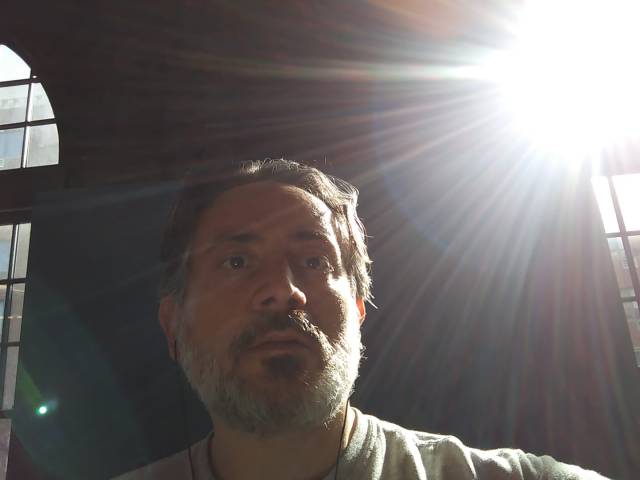
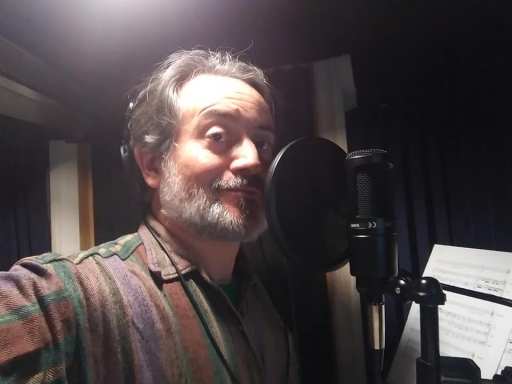
At one point the phone camera turned its lense around for this unplanned selfie of me trying to make a shot avoiding the smudges on the cabin window pane…
High Flying Music Query #2 – Who is the High Flying Adored person being sung about here in what titular musical (and who are the two Broadway stars doing the singing?)
High Flying Musical Query #3 – In which new movie musical do we have Nowhere to Go But Up (if you listen to the track and still can’t guess, I despair for your inner child)? And which icon is heard handing out the balloons?
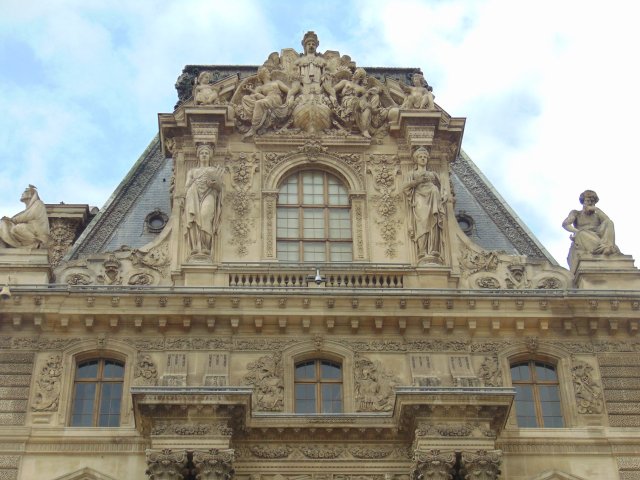
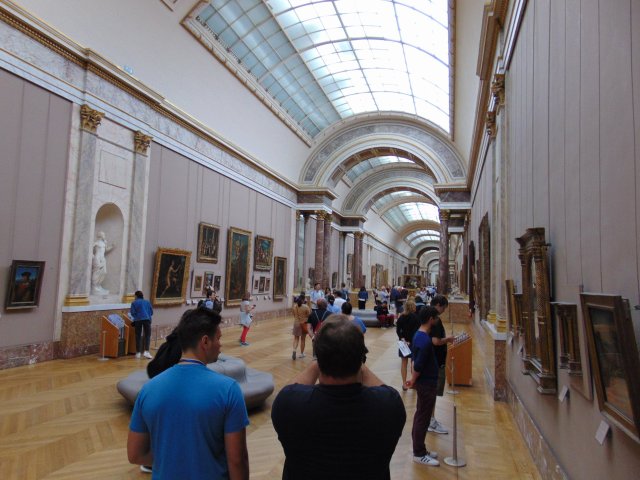
A trip to the magnificent Louvre museum with Mark Twain. Well actually Mark Twain himself never got there, but he wrote about not getting there in “The Innocents Abroad”, and that satirical anecdote about what happens to unwary, blustery Americans tourists overseas when paired with guides with lucrative side lines (and I know from experience this still happens to tourists in many places overseas) made its way into my musical beTwixt, beTween & beTWAIN. I’ll share that little musical bon bon of Mark Twain’s bon mots, along with pictures of the Louvre as it stands now.
And I do mean to focus on the Louvre, the French royal palace of old, turned into a museum, and a magnificent work of art in its own right. A closer look at art work exhibited in the Louvre itself, with one or two exceptions, will be reserved for another time, I think. For today the Louvre itself is the star, this grand sprawling museum/palace; accompanied by a musical rendition of Mark Twain’s ill fated attempt to get there by carriage with a group of American tourists he affectionally calls Pilgrims, who have been taking the first cross-Atlantic pleasure cruise in history in 1867.
PASSENGER:
The carriage – an open barouche – was ready. Ferguson mounted beside the driver, and we whirled away.
LOUVRE (1)
WOMEN:
We’re riding by barouche to the Louvre
Americans en route to the Louvre
The point is surely moot that the Louvre
Will mo-ve
The Pilgrims in Pa-ree
PASSENGER:
Dan happened to mention that he thought of buying three or four silk dress patterns for presents.
After twenty minutes the carriage stopped.
DAN:
What’s this?
GUIDE:
Zis is ze finest silk magasin in Paris – ze most celebrate.
DOWAGER:
We told you to take us to the palace of the Louvre
GUIDE:
I suppose ze gentlemen say he wish to buy some silk.
DOWAGER:
You are not required to ‘suppose’ things for the party, Ferguson. We will do such ‘supposing’ as is really necessary to be done. Drive on.
Always a crowd around the Mona Lisa. Follow my journey to her in “Mona Lisa & Me”
Listen to this. It’s rather creepy, isn’t it, not just because of the unsettling nature of the text, but because of, well, I’ll explain later, just listen now:
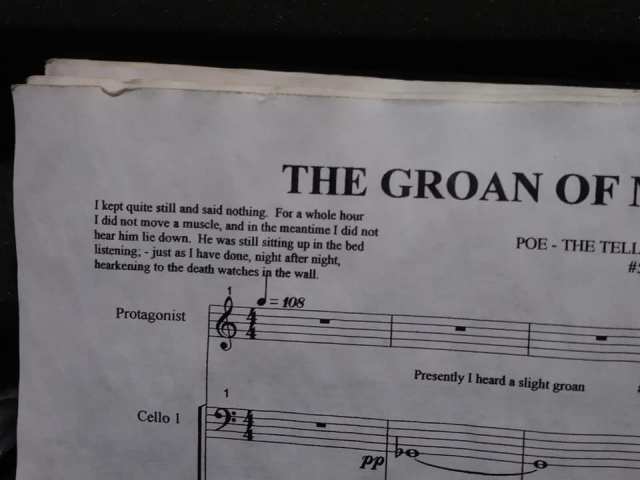
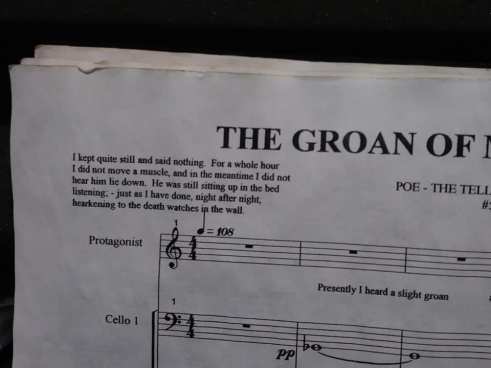
I kept quite still and said nothing.
For a whole hour I did not move a muscle,
and in the meantime I did not hear him lie down.
He was still sitting up in the bed, listening; –
just as I have done,
night after night,
hearkening to the death watches in the wall.
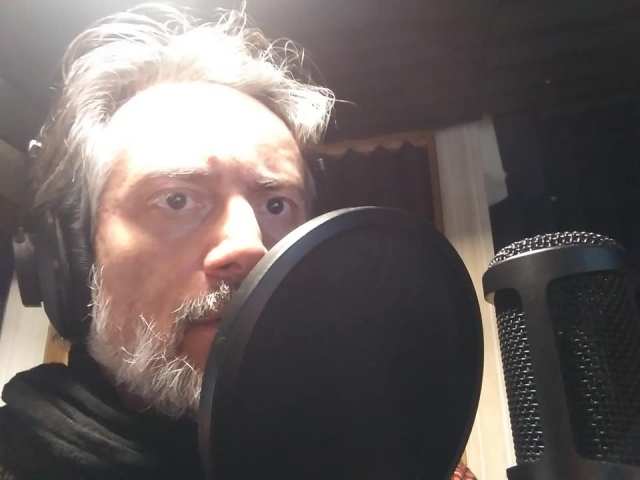
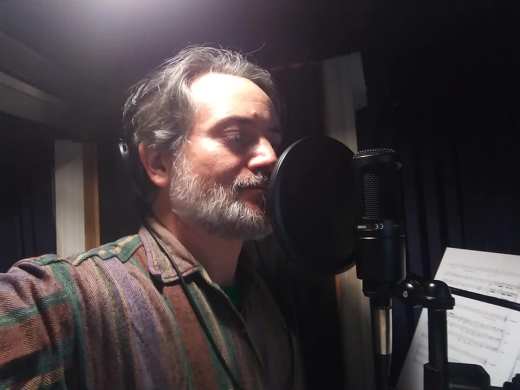
It’s by Edgar Allan Poe, a selection from “The Tell-Tale Heart – a musicabre“, my musical adaptation of the Poe short story about the murderous roommate, which I am turning into a short film, currently in preproduction. Hence the recording of my vocals, including the spoken sections. Even if my vocals will also be recorded on set, or later again in post, it is necessary to record all vocals, sung and spoken, as part of the film’s pre-production.
In my adaptation of The Tell-Tale Heart, I adhere very faithfully to the original Poe text throughout, with only occasional minor adjustments. The words here are unadulterated Poe, and one of the few moments of pure speech in the piece. Usually I am singing, or alternating speaking with singing, and the three cellos are playing their alluring, alarming accompaniment…
But for this moment, a moment of stillness and dread, right before the murder, the deadly calm before the storm, so to speak, I decided when adapting “The Tell-Tale Heart”, this moment, this paragraph, would be the longest, most self-contained section of pure speech, nothing sung, no cellos, right before launching into the musical centerpiece called “The Groan of Mortal Terror”:
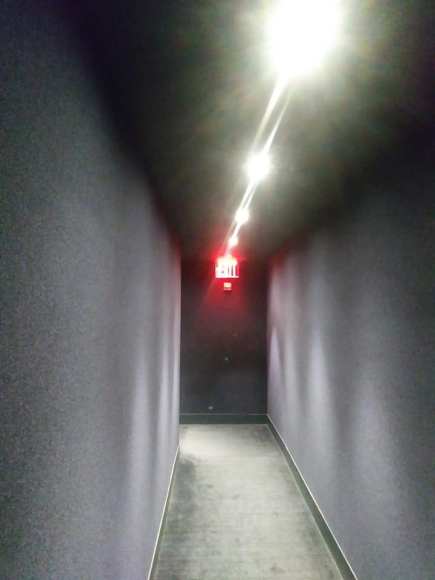
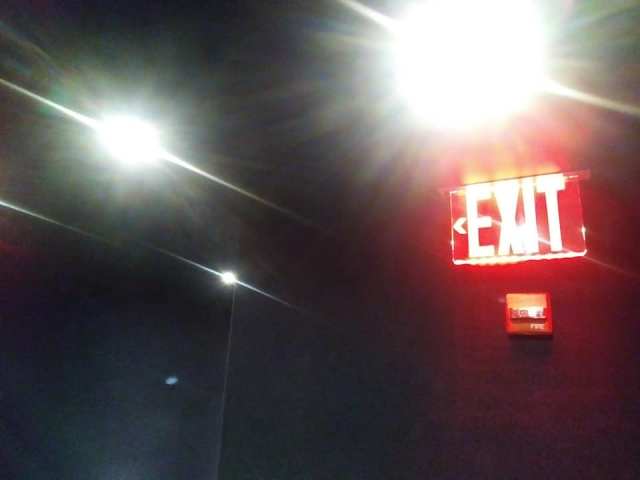
Ed and I had just seen Julian Schnabel’s movie about Vincent Van Gogh, “At Eternity’s Gate”, and were exiting one of the more tucked away screening rooms at the Landmark 57 multiplex, which required walking down a long, narrow, and lightning bolt cornered exit hall.
And, perhaps inspired by the idiosyncratic cinematography of the movie, constantly challenging the viewer to appreciate light and perspectives and movement in unfamiliar ways…
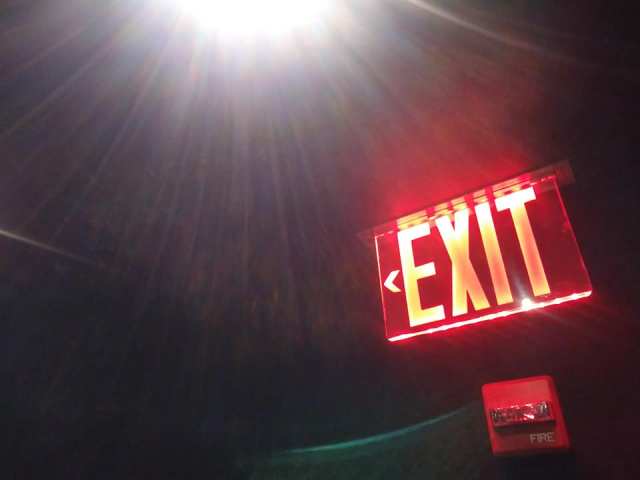
… I felt compelled to hang back and take some pictures of the hallway, with the red exit sign, the lights creating shapes and shades on the grey walls, the flares and blurs of light that erupted in my camera phone even more than before my own eyes…
I went down the length of one leg of the exit hall, where it takes a lighting bolt shaped corner…
But then first took a look back at a spare, red free hallway… like a corridor of a sci-fi space ship…
A woman walked down the corridor as I was taking the picture. She joked I will have to pay her for the photo. I sheepishly explained I felt compelled by the movie to capture the unique lights and perspectives of this exit way. We talked about the movie, its depiction of the artist and artistic process. We talked about how after a hundred years of people accepting the story that Van Gogh committed suicide, the world is finally understanding that, at a time when his mental health had improved and his fortunes were looking up, he was most likely shot by a youth (under still uncertain circumstances), which this expressionistic movie and the recent “Loving Vincent” (an uneasy if fascinating melange of crime procedural and animated oil paintings) dramatize.
Meanwhile, Ed, already out in the lobby, was wondering what had become of me…
“Was ist passiert?” he texted me.
“What happened?”, in German.
Using German was a way to couch his annoyance in bemused terms.
We start with a famous thought. We end with a famous kiss.
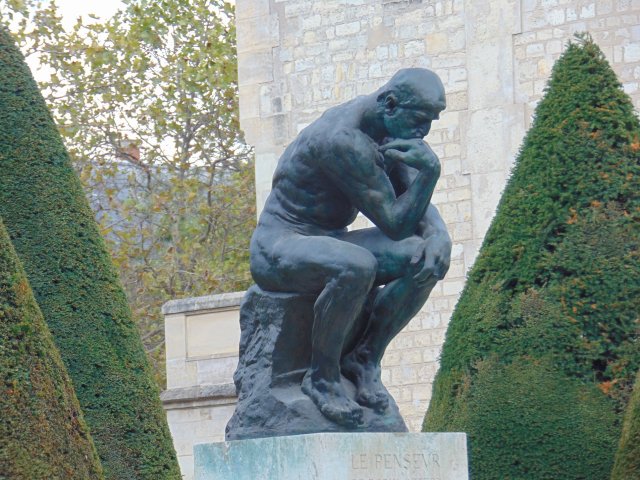
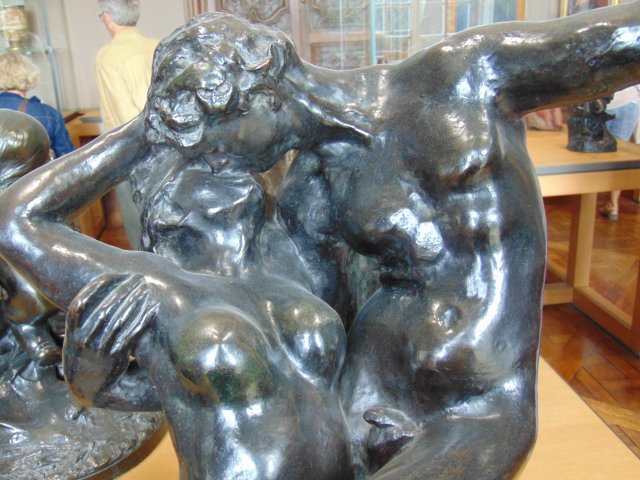
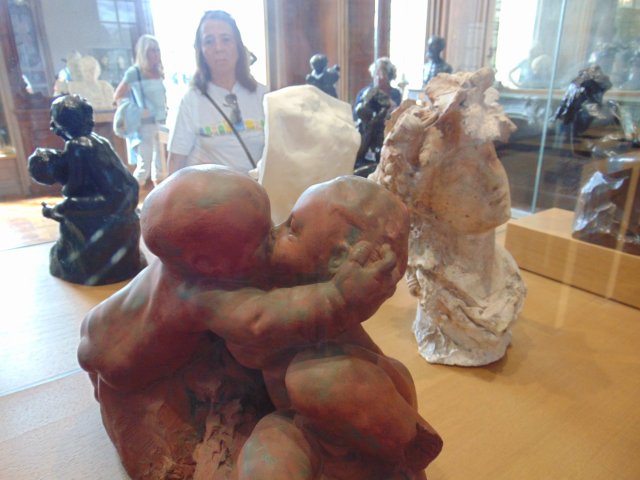
Rodin’s Thinker greats you in the courtyard of the Rodin House in Paris. And so he will be the introduction to this post of some of Rodin’s more sensual statuary, as found in the Rodin House, continuing my informal series of Sensual Statues in Paris.
This post will conclude with Rodin’s Kiss, getting particularly close and intimate with that masterwork of sensuality.
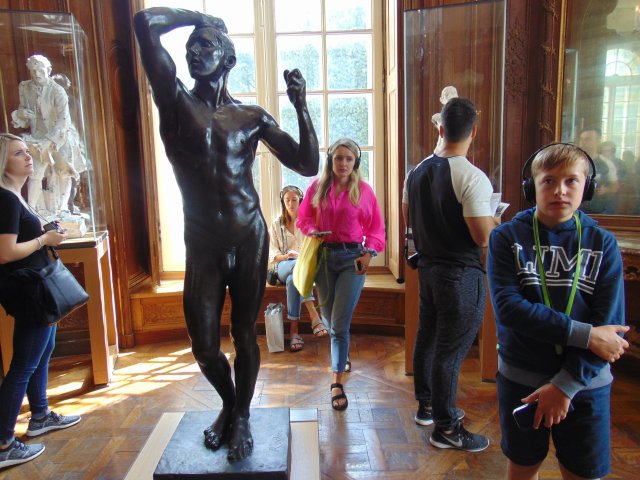
But first let’s enter the house and join the other tourists wandering the halls and taking in the statuary.
And as we did before, we will choose music from ye olde sensual classics cd:
Sensual Classic #5: Ravel – Pavane Pour Une Infante Défunte
Here a kiss, there a kiss. But for THE KISS itself, you must scroll through to the end…
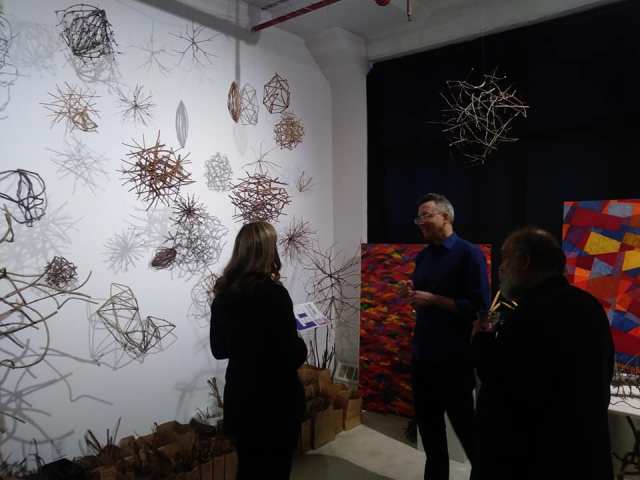
The other weekend artist Jon Bunge opened his studio up to the public as part of the Gowanus Open Studios 2018.
I’ve known Jon for many years. His work was always abstract. The black and white pictures behind him are from his early work which also includes colored paintings and collages made with colored papers.
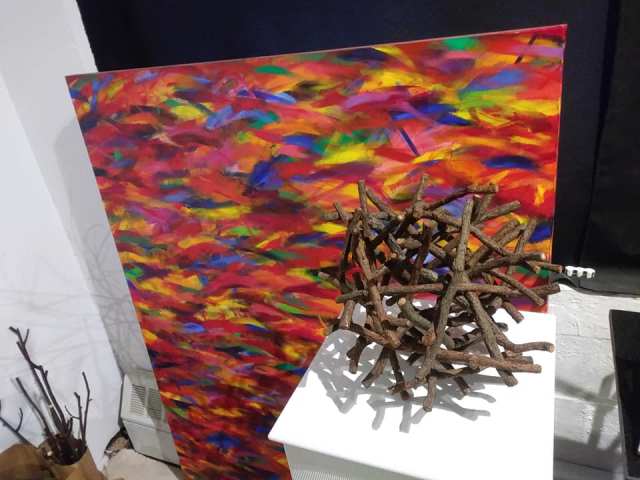
Nowadays he has transitioned exclusively to sculptures that he makes with wood sticks from a variety of trees. All the branches he finds on the ground in nature walks or friend’s gardens after the trees have already naturally shed them.
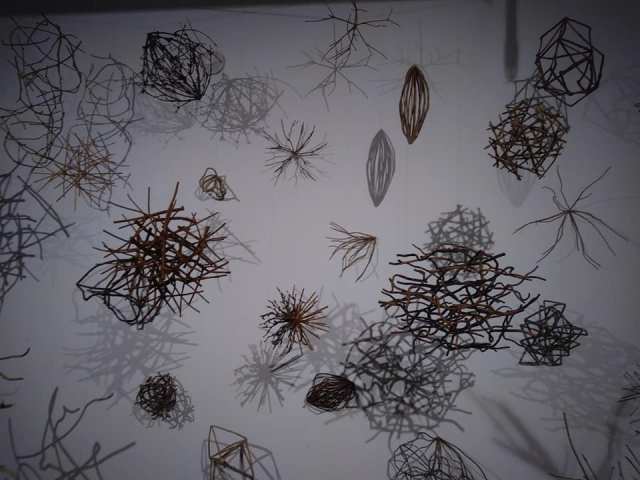
A great number of Jon’s creations were hanging from the ceiling or protruding from the wall, with the studio lights casting dramatic shadows. For Jon the sculpture’s shadows are nearly as much a part of the complete artistic experience as the sculptures themselves.
Jon needed to leave his studio for a reception at another exhibit of his work. So I minded the store, so to speak, for him in his absence.
Which allowed me to explore his sculptures a bit with my phone camera.
First I tried to capture the overall effect of the assemblage of his pieces and the effect of all their shadows:
How a genre and boundary bursting Swedish movie brought back to mind a certain LGBTQ friendly First Grade Opera Tune
I just saw the movie “Border”, Sweden’s entry for this year’s Foreign Film Oscar, and let me say, right off the bat, I recommend this strange, affecting, disturbing, adult, startlingly real seeming fantasy (a make-up nomination and Oscar win is even more likely than for foreign film). But this isn’t a review, for that I suggest you read this one. However certain major spoilers for the movie may follow, although I’ll reveal little of the plot.
“Border” moved me to share a particular first grade opera song, one that was written back in 2003, whose kicky hook entered my thoughts unbidden during one of the films more romantic moments.
This song is called “Troll Affection”.
It’s been fifteen years, and the plot of that particular first grade opera is rather hazy. I remember there was a wizard, a troll, and two other fantastical characters – a fairy and a giant? Anyway, part of the plot revolved around the wizard having a thing for trolls, which he expressed in the rollicking song “Troll Affection”.
Frankly, the words and tune of most of the song are a bit hap-hazard, as some but not most songs written by first graders can turn out to be (yes, they create the words and tunes themselves, I’m merely the scribe and mentor). However it does have a kicky hook when the wizard repeatedly sings “Troll Affection”, followed by four foot stomps the first graders insisted be added to the score.
I just recorded this “Troll Affection” hook quickly with my phone to give you a taste:
Ed and I were watching the marvelous, heart-grabbing “First Man” in the next to uppermost row in the huge Upper West Side Imax theater, when we reached the point in the narrative where Neil Armstrong is commanding the Gemini mission involving one space ship docking unto another in outer space for the first time in history, a crucial step toward making a future moon landing possible.
And Justin Hurwitz’s score suddenly took on a symphonically murmuring quality that reminded me very distinctly of something very musically familiar…
A slow build up with tremolos, with rising snippets of phrases foreshadowing a more elaborate, elegant melody to come.
I thought, are we heading where we appear to be heading?
And then, when the docking between the two rocket crafts is successfully accomplished, and a gently celebratory harp rhythm in three quarter time is struck…
I was sure. And smiled in eager anticipation.
The main melodic theme from “First Man”, so far in the movie heard mainly in 4/4 time and in wistful strains, is now joyously played as a waltz. But it was hearing the chirping of two flutes in harmonic thirds, while the rocket ships are shown turning in graceful circles, that had me guffaw appreciatively, and break movie going etiquette by whispering in Ed’s ear: “They are riffing on The Blue Danube!”
Johann Strauss’ “The Blue Danube Waltz” is nowadays inextricably associated with Stanley Kubrick’s “2001 – A Space Odyssey”. The only classical music piece even more reframed from its original meaning as a musical paean to space travel (also thanks to Kubrick’s “2001”) is “Also Sprach Zarathustra”, by that other Strauss, Richard.
Don’t believe me that the “Docking Waltz” from “First Man” pays clever homage to “2001’s” use of “The Blue Danube Waltz”, albeit with more liberal use of the theremin? Go ahead and listen to it above, and then compare it with the two clips from “2001 – A Space Odyssey”. “2001” even includes two space ships in a docking maneuver also filmed as a slow-turning waltz.
Paris provided a wealth of imagery and perspectives for me to share – it’ll probably take me a year to process it all in blog post sized bits (here the first onetwothreefour five posts).
Why, alone the long lovely day we spent at Versailles, traversing the chateau, the immense gardens, the fountains, the fireworks, will likely yield five posts at least all by itself.
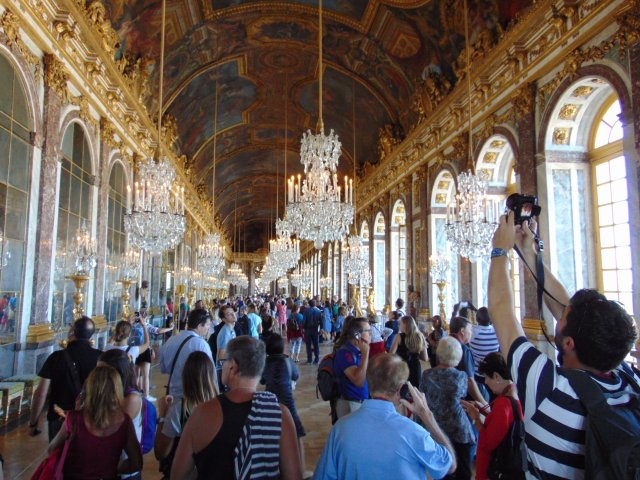
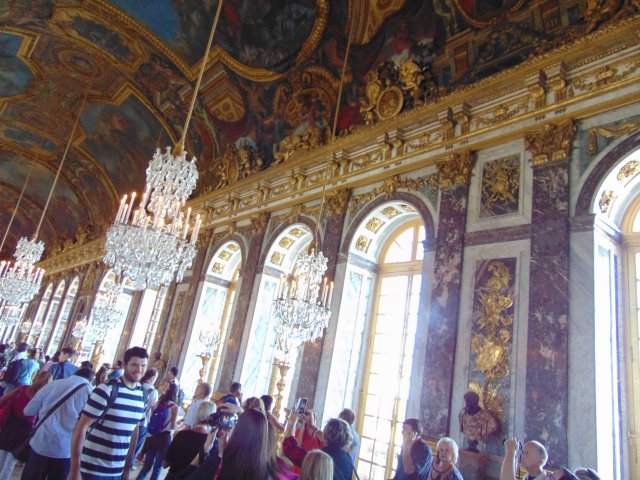
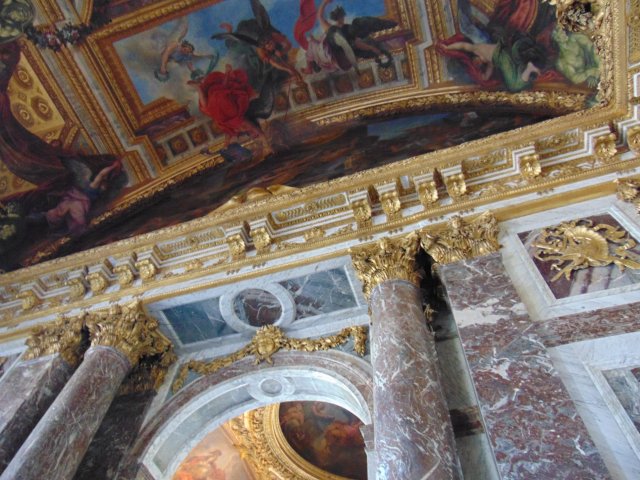
So, as an introduction, a Versaillian appetite whetter, I will post this piece focused solely on the most famous room in the grand chateau of Versailles, the Hall of Mirrors.
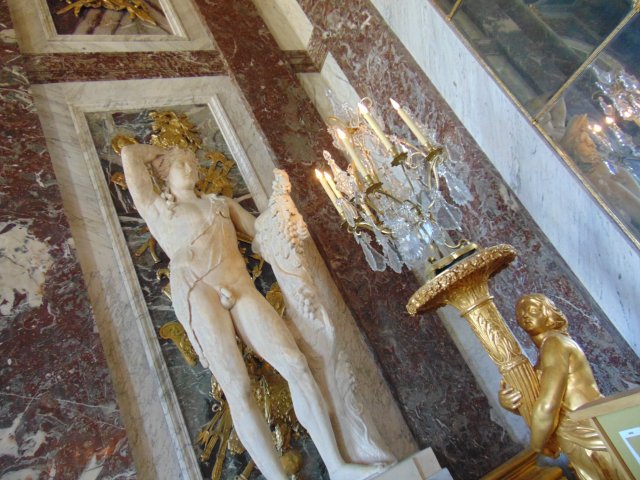
It inspired an even for me exuberant amount of luxuriating photography, including some literal photographic mirror reflections, as you’ll see at the end of the post.
I promise a full tour of the palace / chateau will be posted eventually, as well as a long walk in the gardens, and videos of the theatrical fountains, and night shots and fireworks…
Unsurprisingly, the ongoing theme of sensualstatues, is continued here as well…
Have I decided to add cartoonist to my jack-of-the-arts-box?
No. I am quite aware that my drawing skills are more on the feeble side.
These sketches are for practical reasons, which however are leading to an artistic pursuit.
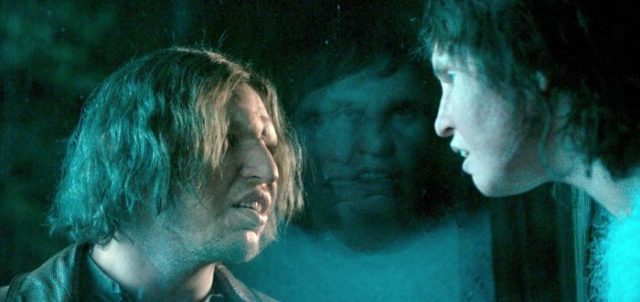
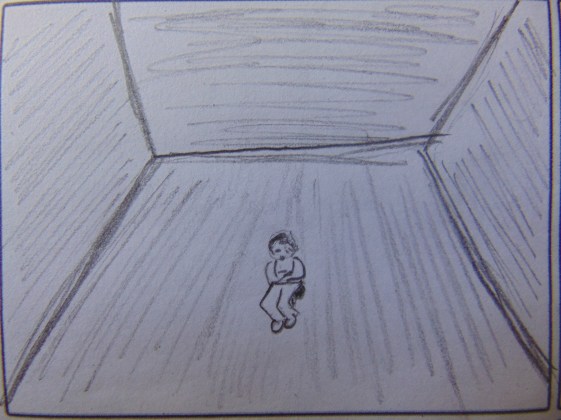
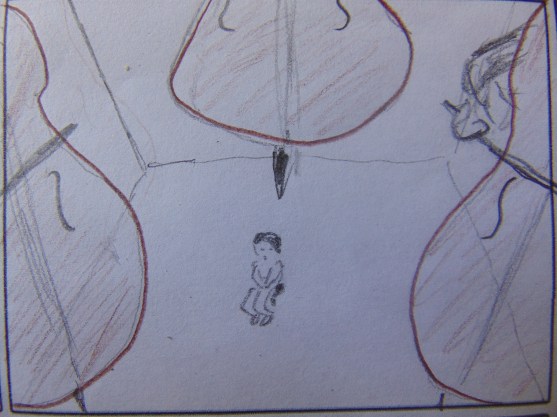
Several weeks a go I posted a tease regarding a revival of my Edgar Allan Poe adaptation “The Tell-Tale Heart – a musicabre“. Today I am sharing some sketches that are just a few of the over 160 drawings I have made related to this return to Poe’s story of the madman, the pale blue eye, and the hideous heart.
And why did I go through the trouble of sketching over 160 drawings when, let me reiterate this again, I am not planning a cartoon or graphic novel of The Tell-Tale Heart?
No, these drawings are actually not meant for public consumption (although I guess I just made some of them available for public consumption with this blog post). They are mainly a means to an end. Ah, but what end?
Can you guess….?
Tell tale glimpses into a specifically horrific future for “The Tell-Tale Heart – a musicabre”…
but also some less comforting, chiseled objectification
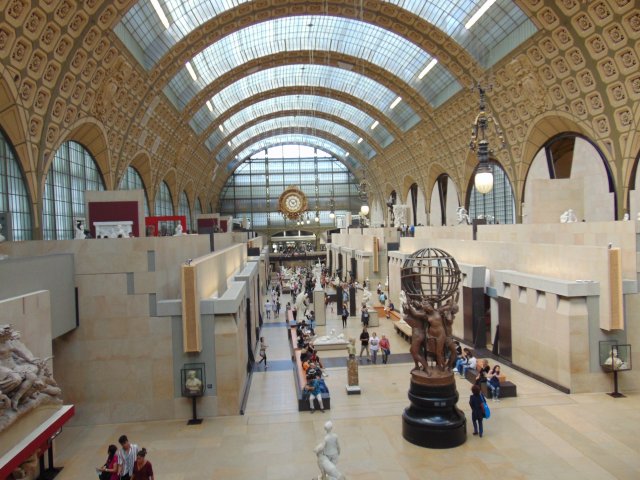
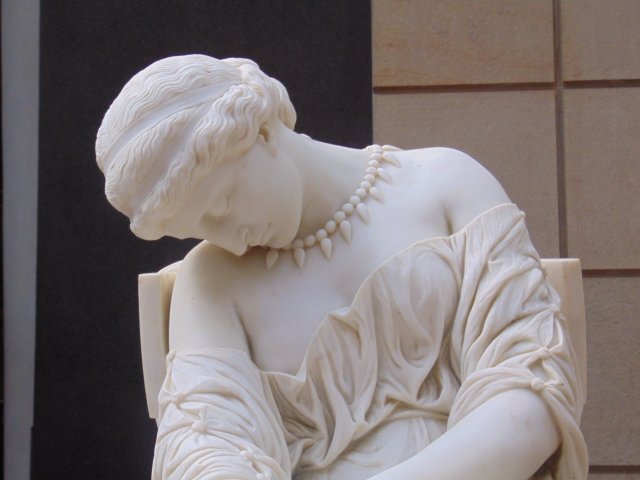
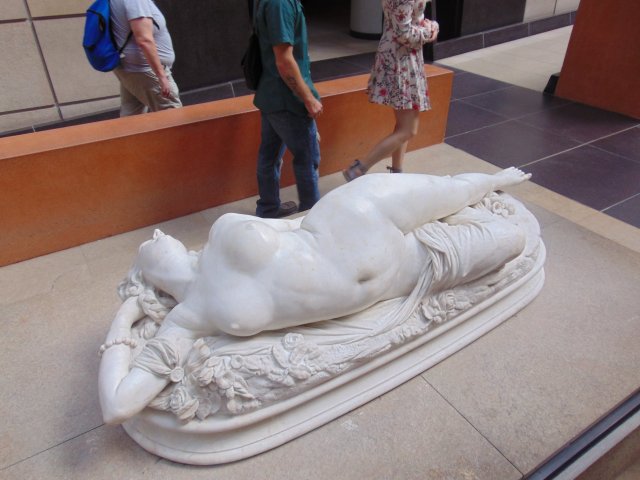
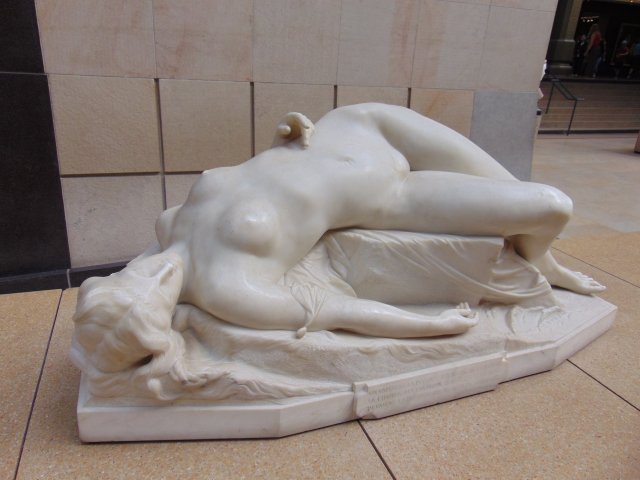
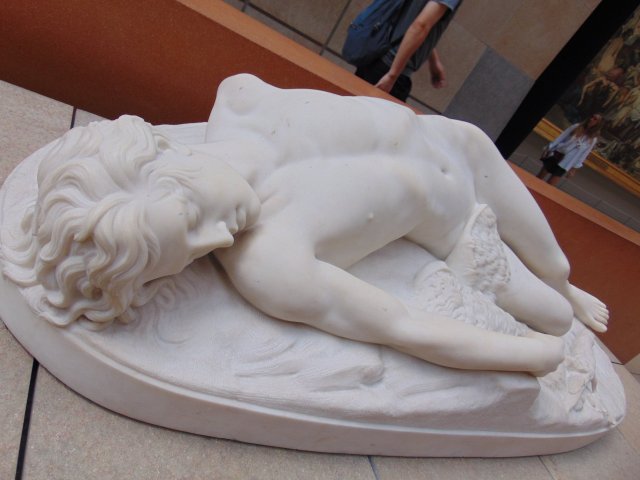
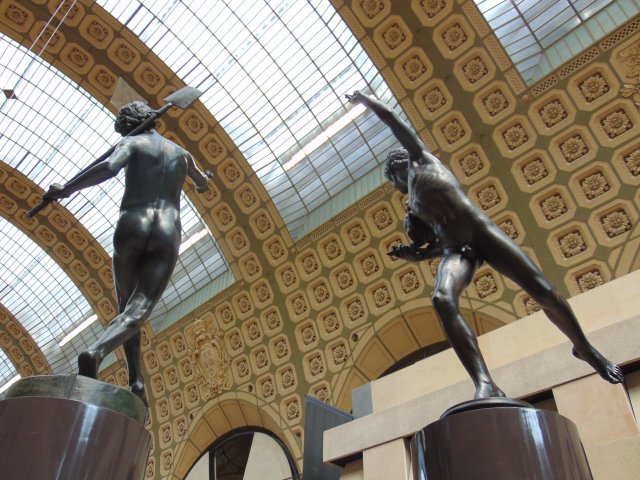
Continuing my fascination with sensual statuary in Paris, the greatest concentration of such aesthetically, artistically, and, let’s admit it, amorously pleasing statues in Paris, and thus likely the world, might be found in the Musée D’Orsay. Originally built as a train station for the World’s Fair that birthed the Eiffel Tower, it was turned soon after into a museum of modern art, now showcasing mostly late 19th and early 20th century works.
Once again we find statues with varying degrees of overt and implied sensuality, with nudity that runs the gamut from formal to tender, from subtle to sensational, from exquisite to exploitative (sometimes all at once).
Above, a depiction of Sappho, passively asleep, girly and demure, her breast nearly exposed. Not my idea of Sappho, although I guess she napped sitting on a chair too on occasion…
Above and below, marble centerfolds. The passive (unconscious?) female body displayed for ravishing.
For gender objectification parity here the male body in the same passive surrender to the (male?) gaze:
There is surely something more to be discussed than sleep habits when sculptures of bodies in the most obviously erotically alluring and passive poses also render those figures with their eyes closed.
But I guess having these figures look at the viewer with eyes open might have been a step too far for 19th century society. Whereas the overt physical display coupled with their vulnerability and lack of agency may make these sculptures less innocent in the 21st century than they seemed in the 20th.







 Most of the short film adaptation of my chamber music theater horror show will be filmed on constructed movie sets. But there is one half day of location shooting scheduled to shoot the entrance (and some interiors) of the home where the man who insists he is no madman kills the old man with the pale blue vulture eye, only to be driven to frenzied confession by the beating of the heart of the dismembered corpse under the bedroom floor boards.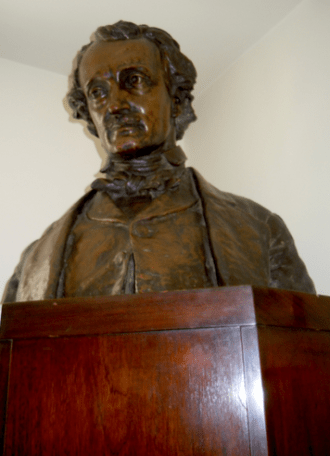
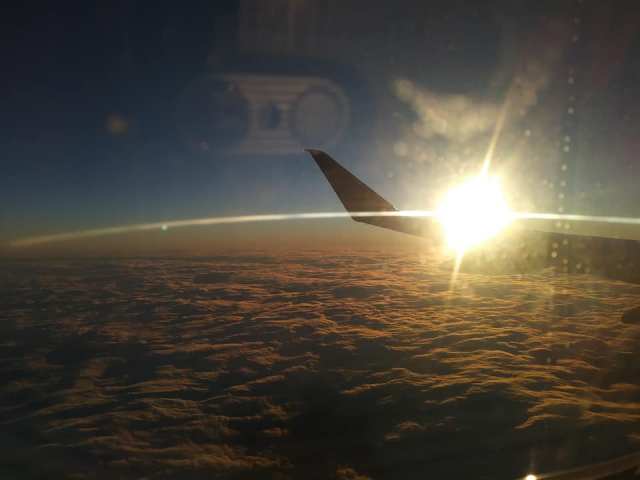


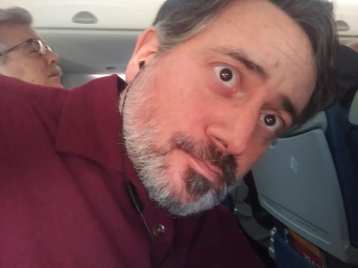 At one point the phone camera turned its lense around for this unplanned selfie of me trying to make a shot avoiding the smudges on the cabin window pane…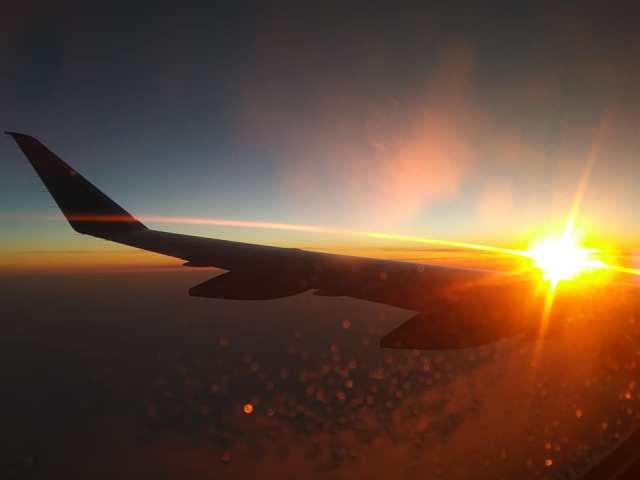




































 Notes from a Composer