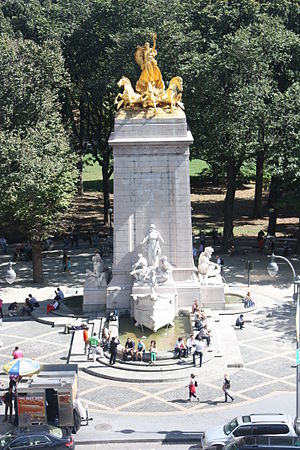
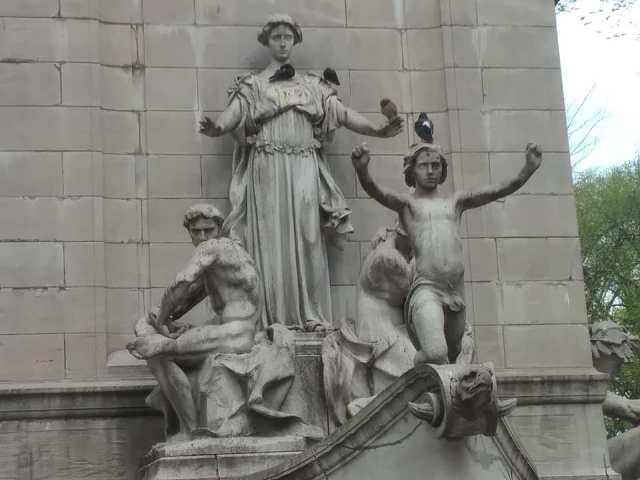
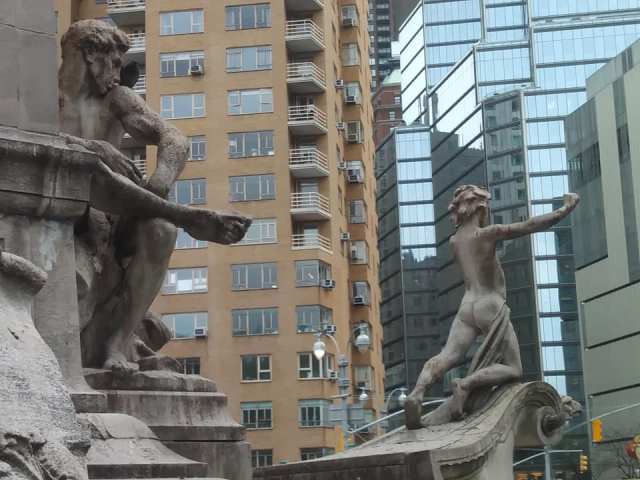
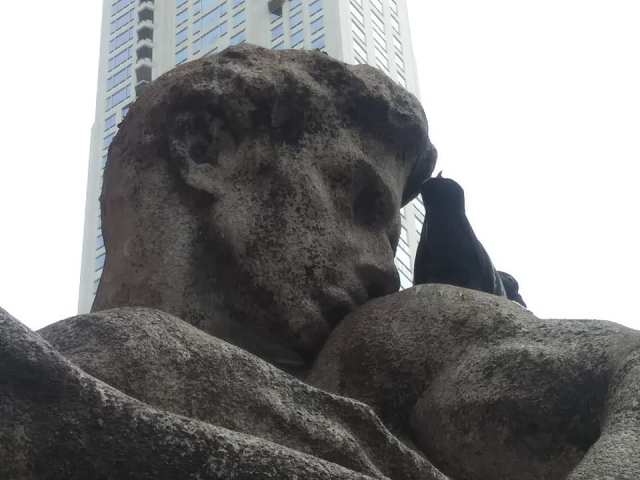
The other day I was walking 35 blocks from the Upper West Side to Midtown, when I lingered at the Maine Monument at Columbus Circle to take some up close and personal pics of its statues.
The Maine Monument was dedicated in 1913. As its official website explains:
“The Maine Monument commemorates the 260 American sailors who perished on February 15th, 1898 when the USS Maine exploded while in harbor in Havana, Cuba. Though the cause of the explosion remains unknown, many (including popular New York City newspapers) blamed Spain for the attack.
The event was a catalyst that accelerated a diplomatic impasse between the United States and Spain, and the United States Congress declared war on Spain on April 25th, 1898. The war would last 8 months.”
Only we know who caused that cataclysm which took the lives of over tenfold more than were lost on the Maine.
And we also know one country that had nothing to do with that monstrous offense. Yet guilt was associated and lies were ginned up and we went to war with that country, a war that lasted far far longer than eight months.
A war whose aftermath still plagues us and the world.
A few weeks ago I shared my head shot bloopers with you, those moments during my head shot photo shoot that went rather wrong, amusingly so.
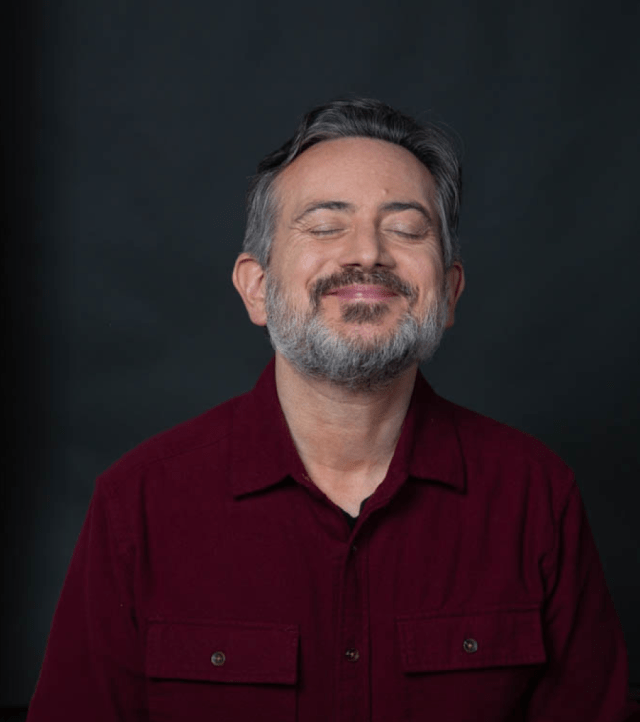
Today I share the final versions of my actual new head shots. The pictures that got chosen out of the shoot to represent me professionally as an actor. Above you see my bearded headshot, below the clean shaven alternative.
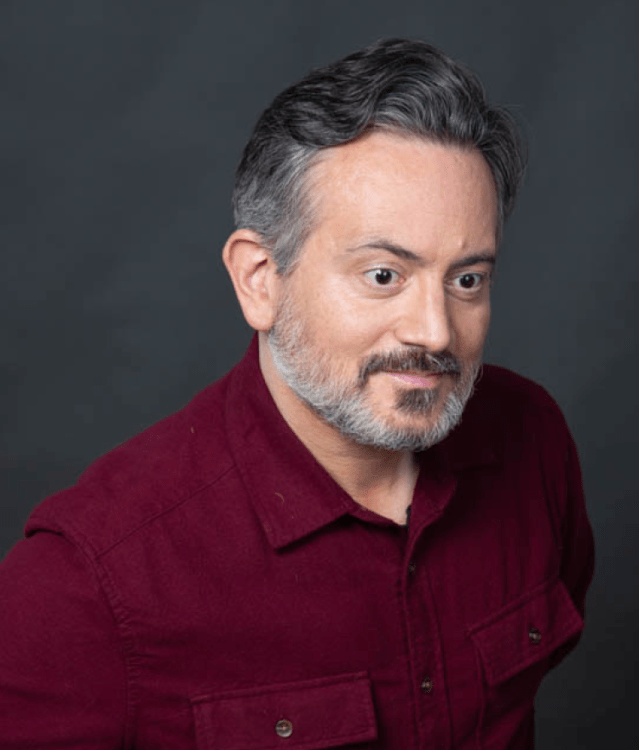
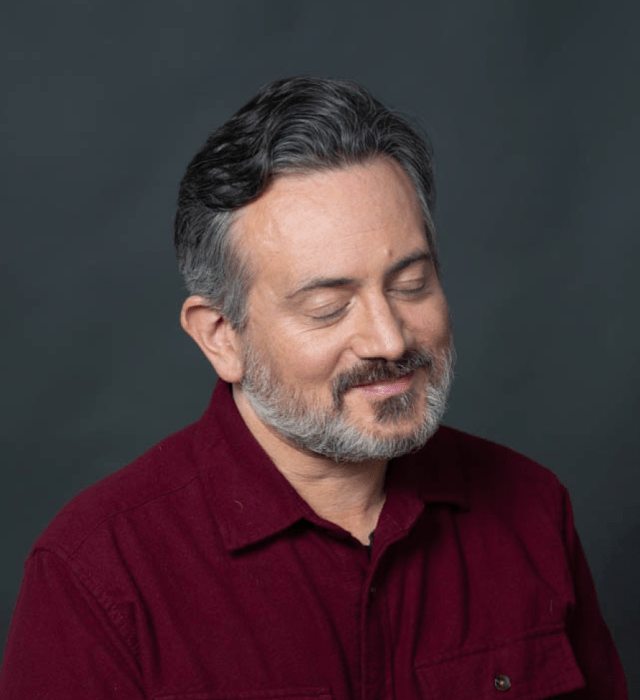
Those two got the full retouching and color processing work from the photographer. Below are two alternative headshots, which got just the retouching work; again there is one bearded and one clean shaven version:
Welcome back to the “Tell-Tale Heart – a musicabre” film shoot diary, and the day I murdered my husband. Repeatedly. Take after take after take.
Edgar Allen Poe’s “The Tell-Tale Heart” centers on a “very very dreadfully nervous (but why will you say that I am mad?)” man recalling how he murdered his housemate. I musically adapted and performed the piece on stage years ago, and now am producing a short film of the “musicabre”.
Our movie had a six day shoot. The first set-ups focused on the “flashback” shots of the narrator’s nightly stalking of his sleeping housemate: slowly opening the door, looking in, casting a thin ray of light onto the old man’s closed eye. It is the pale blue “vulture eye” of the old man that disturbs the narrator so much he resolves to kill to rid himself of it.
I cast my husband Ed as the old man. Which means I cast my husband as the murder victim.
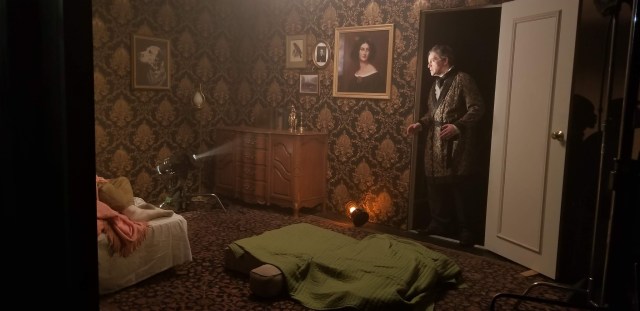
Above you can see photographs of the camera monitors during the filming of me as the narrator opening the door and very slowly moving my head into the bedroom. The monitors show the image in black and white, because that is how the flashback shots will be seen in the final film.
Early during the second day of our shoot we shot the murder; when the narrator, after accidentally awakening the old man during the eighth nightly stalking visit, sees the old man’s vulture eye wide open in terror, and rushes into the room for the assault. Below you can see me getting ready for action.
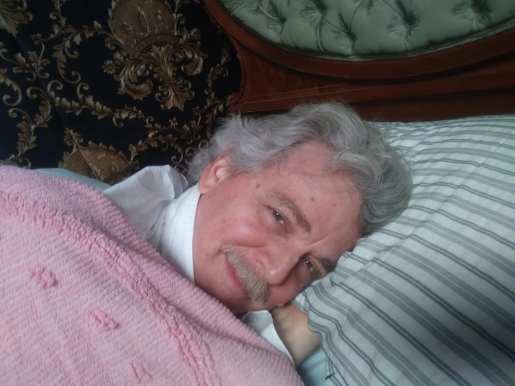
And this here is my husband in the bed looking at me adoringly, before we shot the murder sequence.
His character would have no good reason to look at me so trustingly.
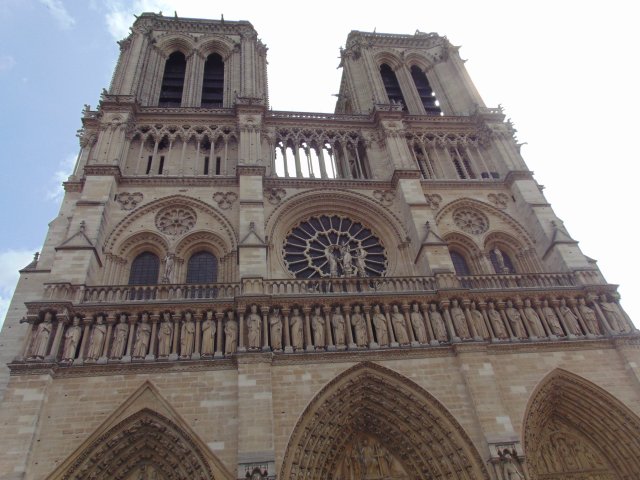
I am watching with horror and sadness the incredible destruction by fire of Paris’ iconic Notre Dame cathedral.
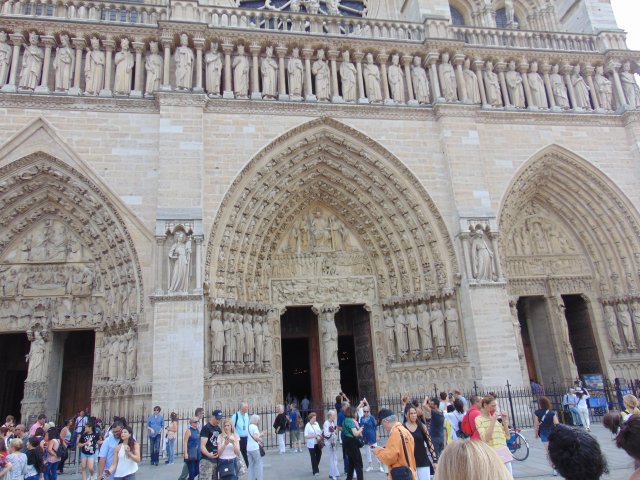
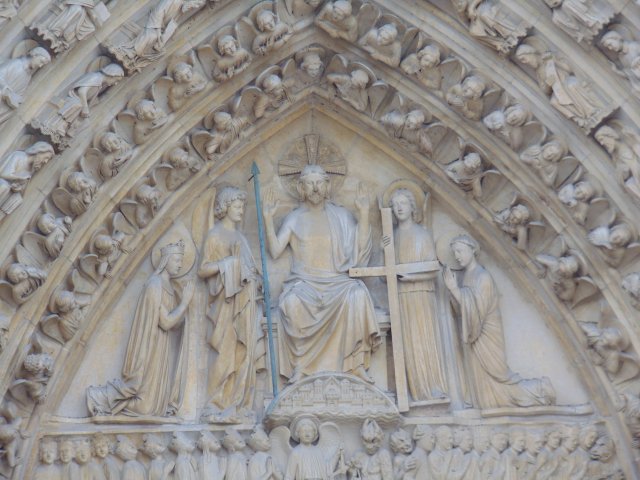
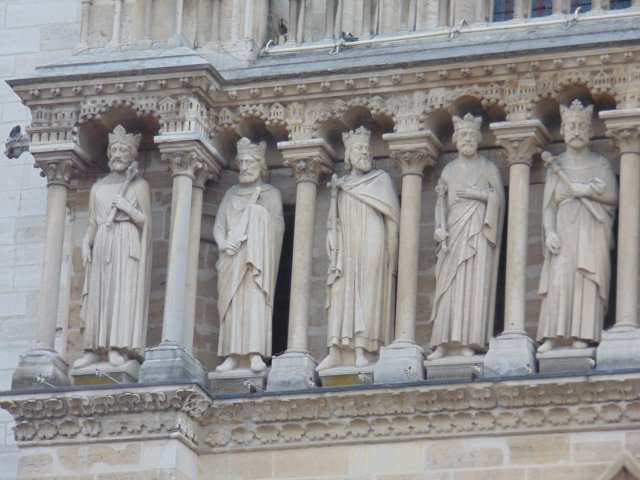
In grief and helplessness I decided to go through the pictures I took when Ed and I visited Notre Dame last August. I had been creating blog posts based on our Paris trip, and planned to eventually create one focusing on Notre Dame too.
But it wasn’t going to be my next blog post. And I surely wish I didn’t post it under such distressing circumstances.
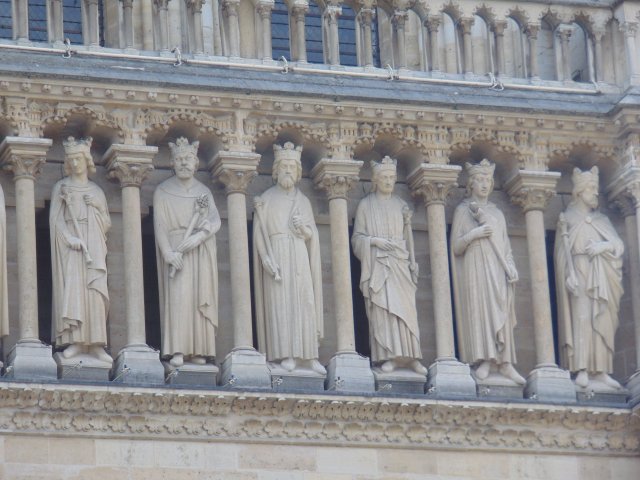
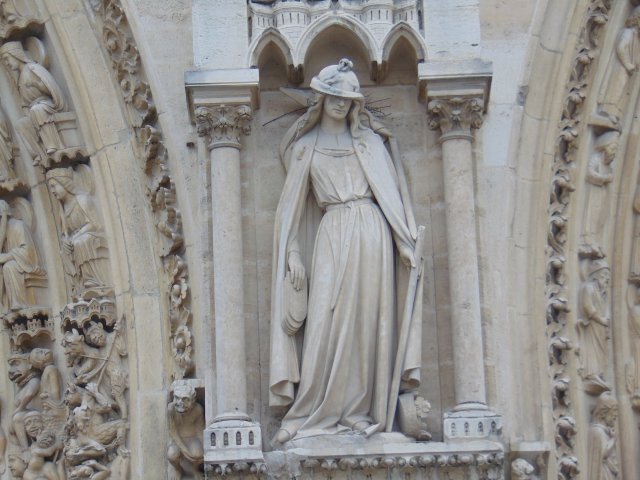
These photos will start outside the cathedral, enjoying its front facade as we enter the church, followed by a tour all around inside the cathedral, more details from the front of the church, then a walk around the south side, and a return approach from the north at night.
May these photos be a memory tour of what now, from the horrible reports coming in, appears to be greatly lost.
Actually, another three first grade operas at the Brooklyn Children’s School, created, written, composed and performed by first graders themselves, under the direction of their teachers and their teaching artist Mister Danny.
The process started in October when three first grade classes each chose their opera themes: Halloween, You Tube, and Silliness. After several months of creating characters and story outlines and lyrics and music and dialog, and rehearsing, rehearsing, rehearsing, this Monday class 1-3 performed the tale of Dark Magic turning Halloween decorations alive; and this Tuesday 1-1 performed a nearly through-composed opera about You Tube videos gone wrong; and this morning class 1-2 performs the very silly story of aliens riding a poor sap’s head, which I will now share here:
The opera begins with our space aliens Boogle and Dooey flying through space towards planet Earth:
You can listen to the piano play the chorus of the song (“Errr Errr We are riding on a space ship…”) via this quick and low-tech recording I made with my phone:
1-2’s space ship
These space aliens are out for a good time, which means riding people’s heads:
This song’s main musical motif (“I like to ride on people’s heads – yeah yeah I like to ride…”) is played on this track:
Meanwhile, on Earth, Charlie decides to buy his friend Alex a pet dog. They go to the pet store and pick out a dog.
The aliens decide Alex has the head they want to ride. Dooey uses his space ship controls to zap Boogle on top of Alex’s head.
This causes Alex some consternation:
This song’s melody is repeated three times, rising higher with each repeat:
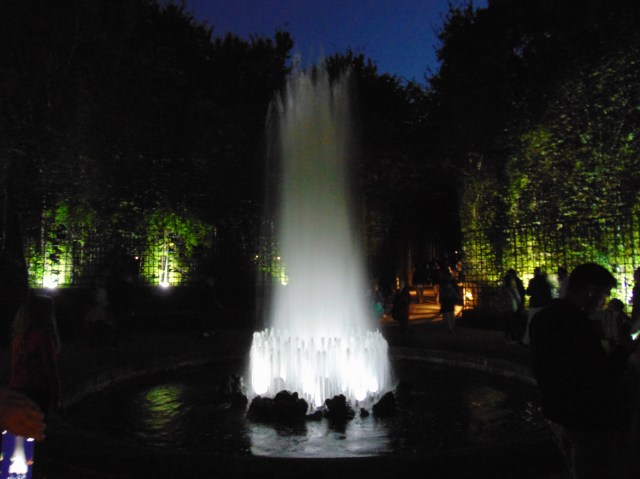
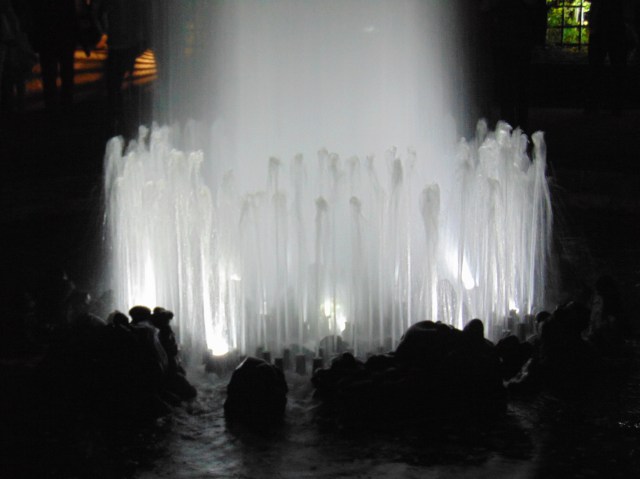
As promised, pics and vids of the Versailles Once-in-a-Year Nighttime Spectacular
You can glance at the map of the park and see how it lovely it is during the day in my previous post, where you will also find daytime video of the musical Mirror Fountain show.
But we will start our night time lights and water and fire extravaganza with two video excerpts from the water show at the largest fountain in Versailles, The Neptune Fountain, also accompanied by baroque concert music:
Next, swathed in dry ice fog, the Three Fountains Grove, so (relatively) unassuming during the day, so mysteriously magnificent during this special night:
The view from just above the third grove:
The brightly lit Pyramid Fountain, with another fountain behind casting dramatic shadows onto the chateau:
A detailed guided tour through the baroque mythological splendors and eye popping and head scratching extravagance of the park of Versailles.
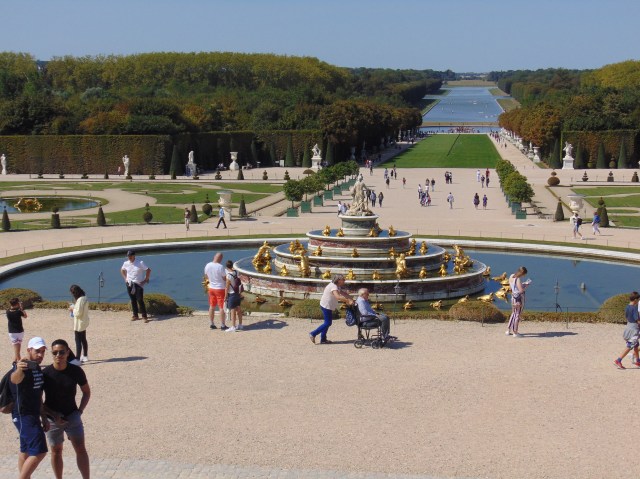
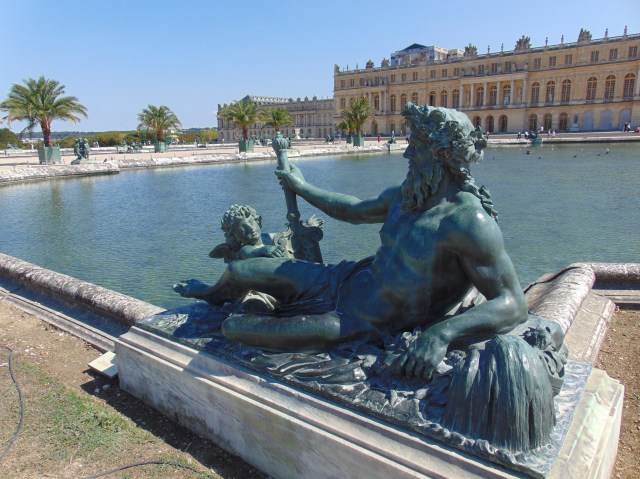
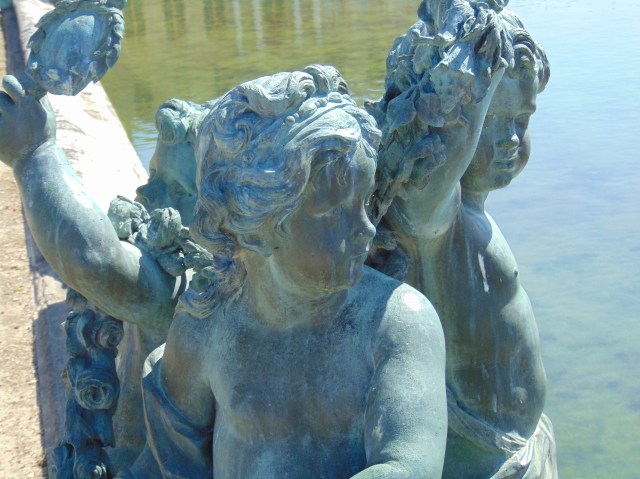
The park grounds of Versailles are immense and splendid.
Below a map of the whole park:
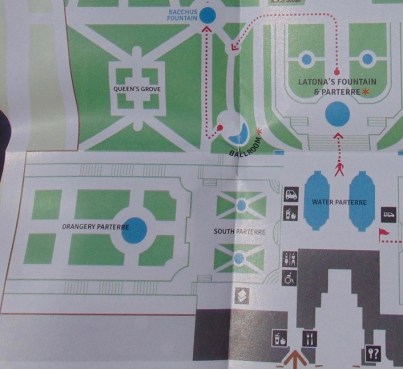
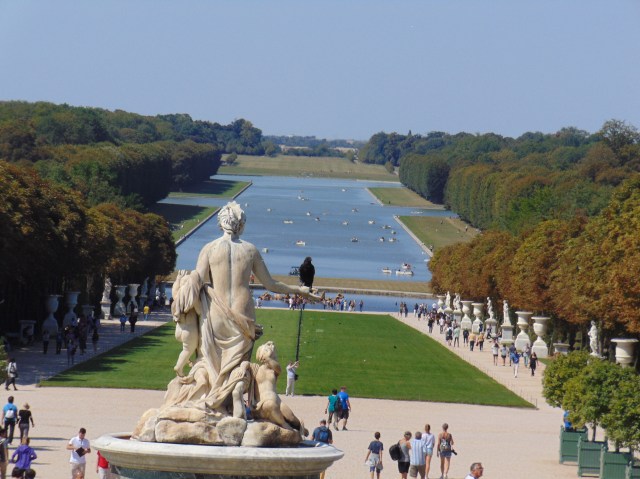
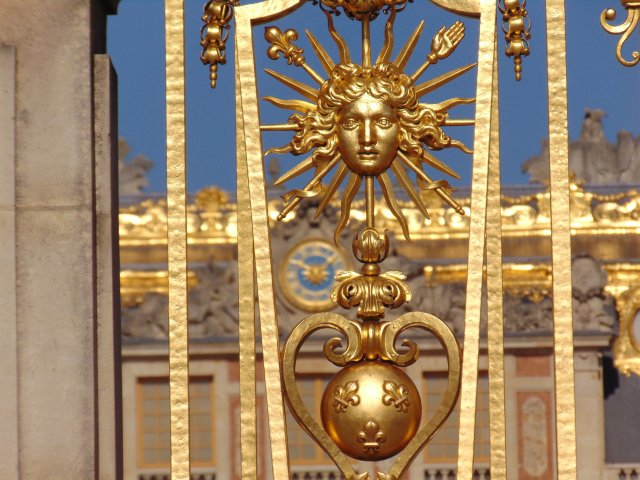
Only the bottom quadrant in the map above is now part of the Versailles Chateau tour. The rest is now public park or areas for which there are separate entries. We will get to some of these too. But first let’s start with the chateau adjacent park grounds, which are immense in their own right, and certainly splendid. Before his descendants got their heads chopped off for their ruinous profligacy, Louis XIV had park grounds designed that surely matched his palace (see here) for impressiveness. This map below will guide us through the chateau park grounds:
Let’s start at the Water Parterre just in front of the center of the palace:
Next head left to gaze over the Orangery Parterre and smell the flowers of the South Parterre.
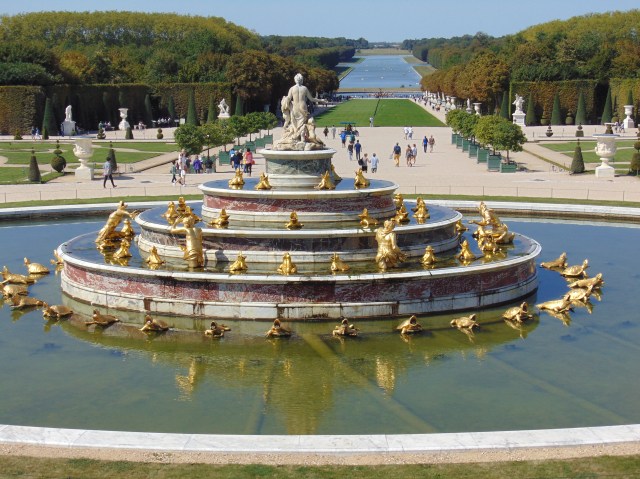
The centerpiece of the park is Latona’s Fountain & Parterre.
I’ve been producing theater with my husband Ed as “Fredrick Byers Productions” for some time now, since 2002 I believe. Now that we are producing a short film I thought it was about time I realize my vision for our production company’s logo, so it may be used in the film’s opening title credits.
I brought my ideas to a graphic design company, and after a week of concepts and revisions, here is the result, the Fredrick Byers logo, in four iterations, color and alternative color, black on white and white on black. It’s the white on black version that will open our new short film “The Tell-Tale Heart – a musicabre“:
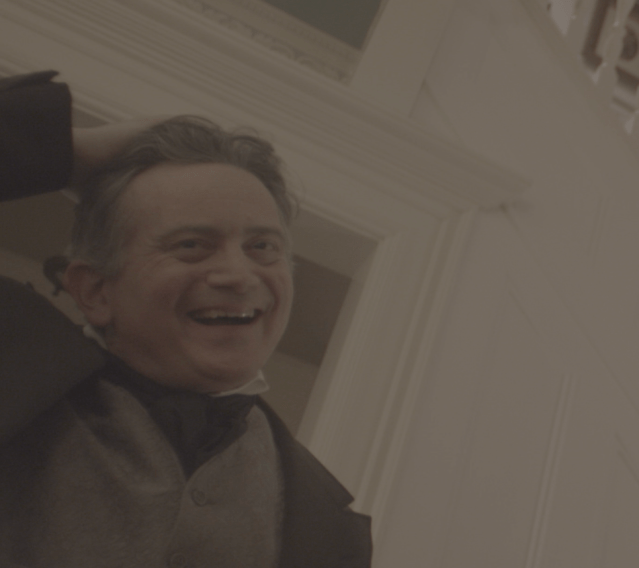
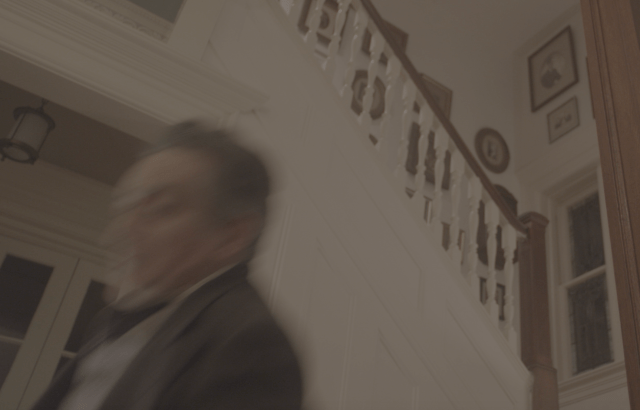
It was one of the least difficult set-ups of the Tell-Tale Heart – a musicabre shoot. Just me coming down the stairs – a flash back to when the murderer, fresh from depositing the remains of his victim under the floor boards, goes to open the door for three officers of the police.
All I had to do was go down the stairs while putting on my jacket, hit my mark to pause on a certain step, and then exit out of frame.
Which I did every take.
But on this particular take I left the frame in a particularly dramatic, unintentionally funny fashion:
It helps to keep your eyes on the steps you are descending. Otherwise your foot might overshoot. But looking down at my feet would have not been as good a look for the character at that moment for the movie.
The pratfall brought me down to the floor, and as you can hear from the responses of the crew, it first looked alarming. But after I got up and assured everyone I was OK, it quickly became a source of mirth. Everyone looked forward to this clip being part of a future Tell-Tale bloopers reel.
I needed new head shots. I also knew I’d be shaving my beard for the Tell-Tale Heart shoot. So I scheduled a head shot photo shoot right before the Tell-Tale film shoot in order to schedule my shave in the middle of the photo shoot and get a bearded and a clean shaved 8X10 pic.
To show I am a versatile actor. I can play bearded and smooth cheeked fellas.
The shoot went pretty well and I have lots of nice options to choose from. But in a two hour session with hundreds of clicks of the camera, some unfortunate shots are about to happen.
So I thought it would be fun to share some of these photo blunders in a Head Shot Blooper Gallery. Enjoy.
One cardinal rule of head shots is to look into the camera…
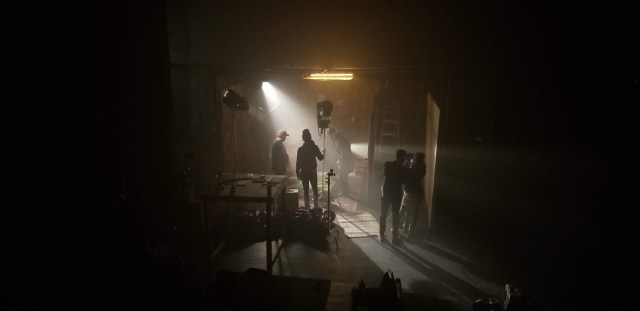
Last week was production week for the short film “The Tell-Tale Heart – a musicabre“. One day of set-up, 6 days of shooting, 9-10 hour days that by the weekend became 11-15 hour days. Everyone worked very hard and very well. I am extremely grateful to Jason, Austin, Ja’Rel, Harry, Nick, Mara, Anthony, Bethany, Stephen, Martine, Mark, Mathew, Henry, Ed, the on set crew and cast.
I have tons of on-set pics and videos and stories to share, and hope to regale you with them on this blog over the next months. All while busy in post-production and eventually bringing our little gothic musical short film to the world at large.
So, to start off the Tell-Tale Shoot Diary series here on Notes from a Composer, I thought I’d share this fun video shot by best boy/key grip Austin Nepri (who also took the photo at the top), giving you a good glimpse into the monitor showing what the camera is filming while watching the performance live in the same frame (you will note that the monitor is a smidge time delayed).
It’s a cool example of getting the on set experience simultaneously with the unedited take right as it is being shot:
A fainting spell nearly derailed the whole concert.
But it was still a rousing success.
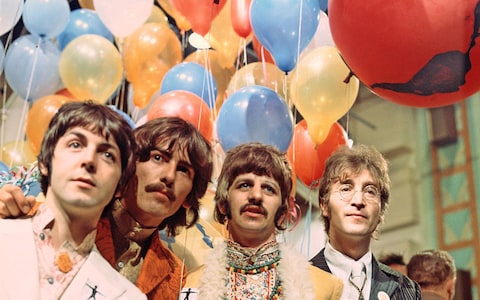
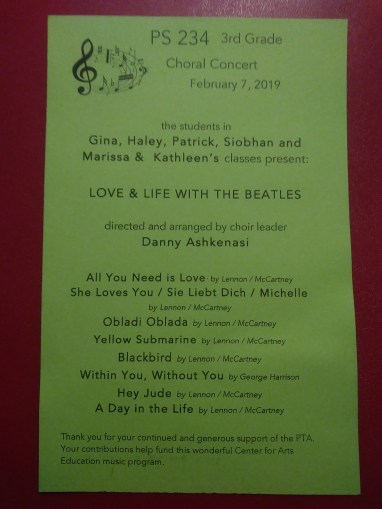
When I plan choir concerts for elementary student performers, I hope to choose songs that will appeal to the age group but also to adults, since the kids’ parents will be our audience. I also like to choose some musically exciting pieces that may seem unusual or difficult, but which I believe children can master and will enjoy. It challenges me as a teacher and artist to push against the boundaries of what is expected from a grade school choir concert.
So it was also with an all-Beatles program for 3rd graders at a Tribeca public school in Manhattan, a few blocks from the World Trade Center. Choosing only Beatles songs of course limited me to some extent, but the breadth of their output still allows for much stylistic variety. And although I may not have been able to include as many foreign languages as last year (where a “Joy in the World” medley included Xhosa (“Pata Pata”), Portuguese (“Mas Que Nada”) and German (“Berliner Luft”), yet, as you will see and hear, even The Beatles dabbled in some foreign languages.
View of the new World Trade Center from the school
The whole 3rd grade of PS 234 performs. Over a hundred children. The only time I get to rehearse with them all together is once or twice during the week of the concert. Otherwise I meet with each class individually once a week for 12 weeks. Every Tuesday, five classes in a row, without a break. Me singing in a high tenor range to teach them their parts. Yes, it’s exhausting.
Nine songs in 12 weeks. It is all a bit ambitious, I admit, but it came together just fine. The concert was proceeding well, until… well, what I couldn’t have anticipated was the fainting spell that nearly derailed the whole performance…
Before that, before the children were even led into the auditorium stage risers by their teachers that morning, I had lamented to the arts coordinator that I couldn’t record the concert to share on my blog, because getting media releases from over hundred families is impossible. She said to me, oh no, everybody signs a blanket release at the beginning of the year. Ah, if only I had asked earlier. I would have brought my portable professional recorder. Instead I made due with my phone’s voice recorder. Which does effect the sound quality of the following, I’m afraid, but hopefully not so much that it still can’t be enjoyed, albeit with technical caveats:
3rd grade choir performance: Love & Life with The Beatles
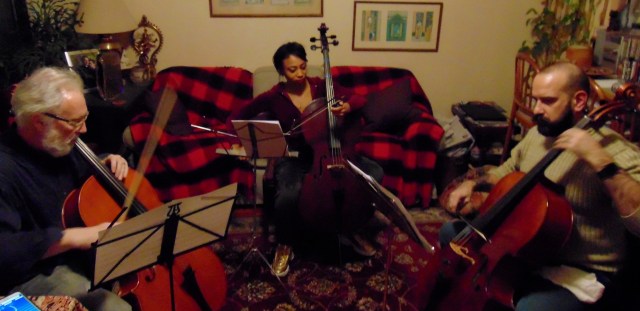
In “The Tell-Tale Heart – a musicabre” the music is scored for three cellos. And Friday evening three cello players were sitting in my living room practicing their cello parts for the shoot. Because for key scenes, you won’t just be hearing the cellos played, you will be seeing them played too.
That’s Mark Peters, Martine McKinney and Mathew Gnagy playing in my living room. The 3 Ms, as I like to affectionately refer to them. And you will see them on screen in “The Tell-Tale Heart – a musicabre”.
But you won’t hear them play. They actually will be play-syncing. Acting as doubles for the three cellists who were recorded months ago performing the Tell-Tale score.
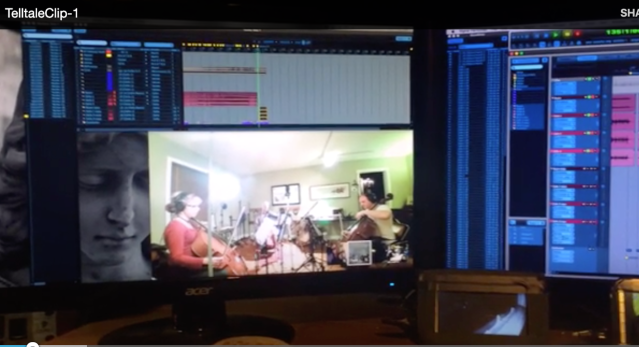
Todd Maki, who is responsible for the sound of “The Tell-Tale Heart – a musicabre” made this video while in his engineering booth monitoring the three cello players being recorded in his living room.
In Ohio.
I was following this all live from my laptop in Brooklyn. I could hear all perfectly well, yet my view of the players and Todd was via video monitoring screens sharing space with other elements on my MacBook.
I have yet to meet Todd in person, or the three cellists who beautifully played my score.
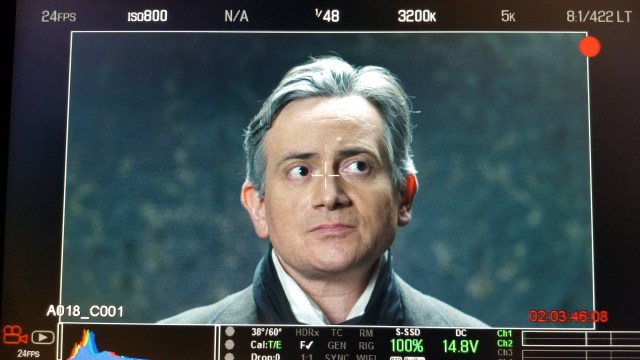
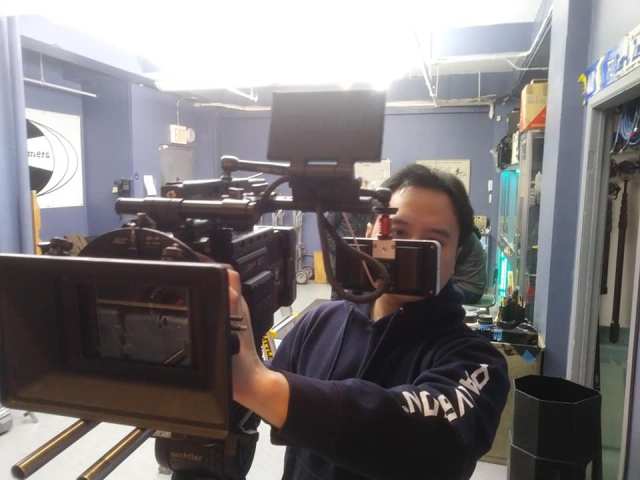
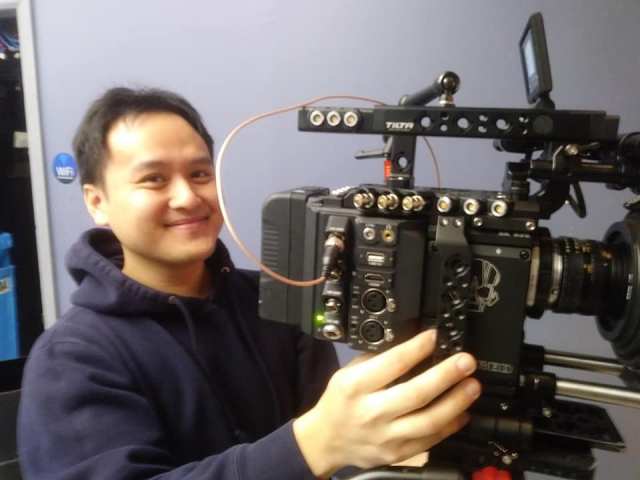
Yesterday I met my Director of Photography Jason Chua at the film equipment rental place to do some camera tests in preparation for our upcoming “The Tell-Tale Heart – a musicabre” film shoot.
For me that mostly meant standing in front of the camera while Jason took various shots with various lenses and various filters.
So you can’t blame me for pulling out my phone and taking some shots of my own.
By now it may be appropriate to show you Jason’s friendly smile rather than keeping him obscured behind the camera…
































 When I plan choir concerts for elementary student performers, I hope to choose songs that will appeal to the age group but also to adults, since the kids’ parents will be our audience. I also like to choose some musically exciting pieces that may seem unusual or difficult, but which I believe children can master and will enjoy. It challenges me as a teacher and artist to push against the boundaries of what is expected from a grade school choir concert.











 Notes from a Composer