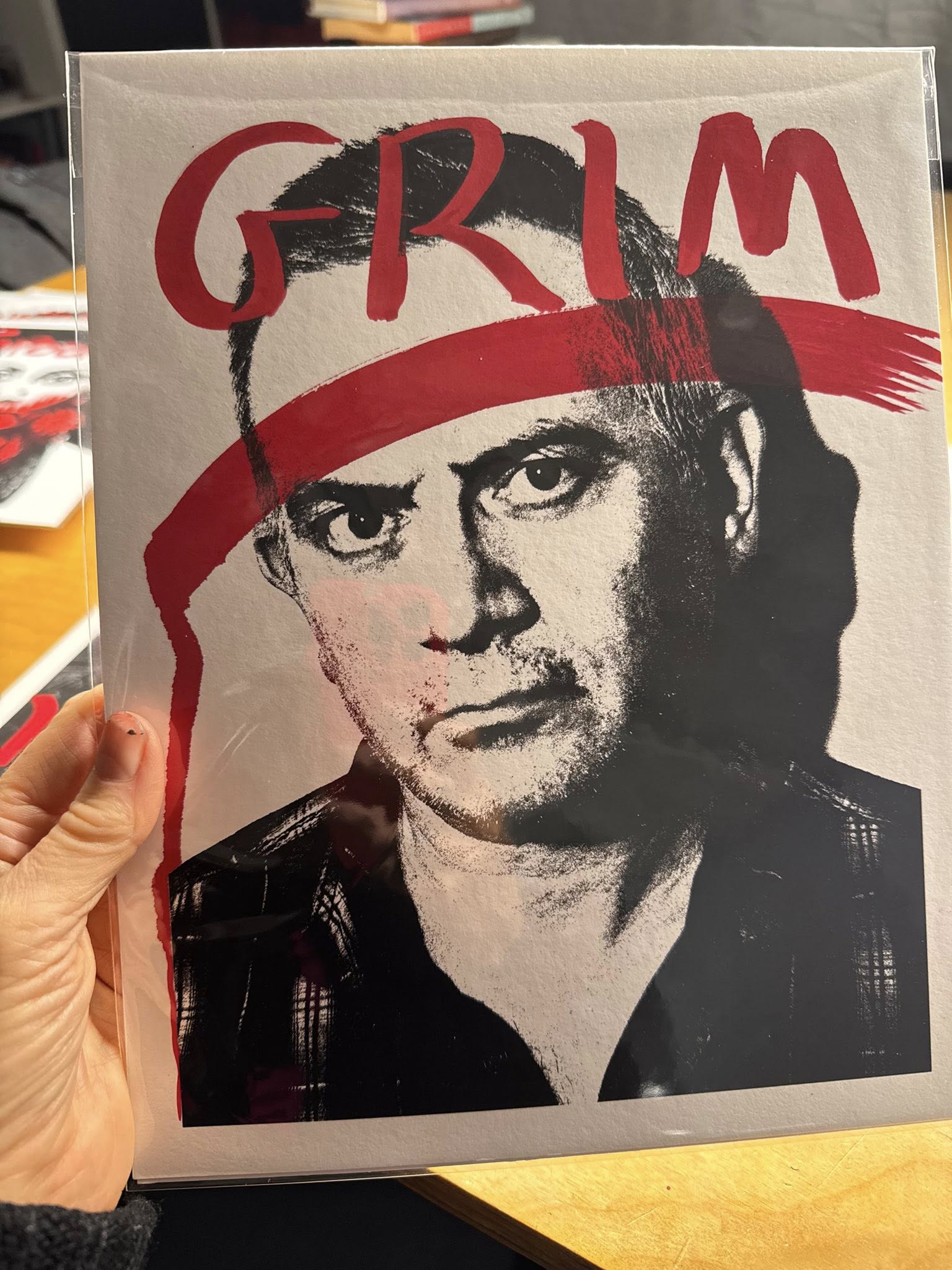
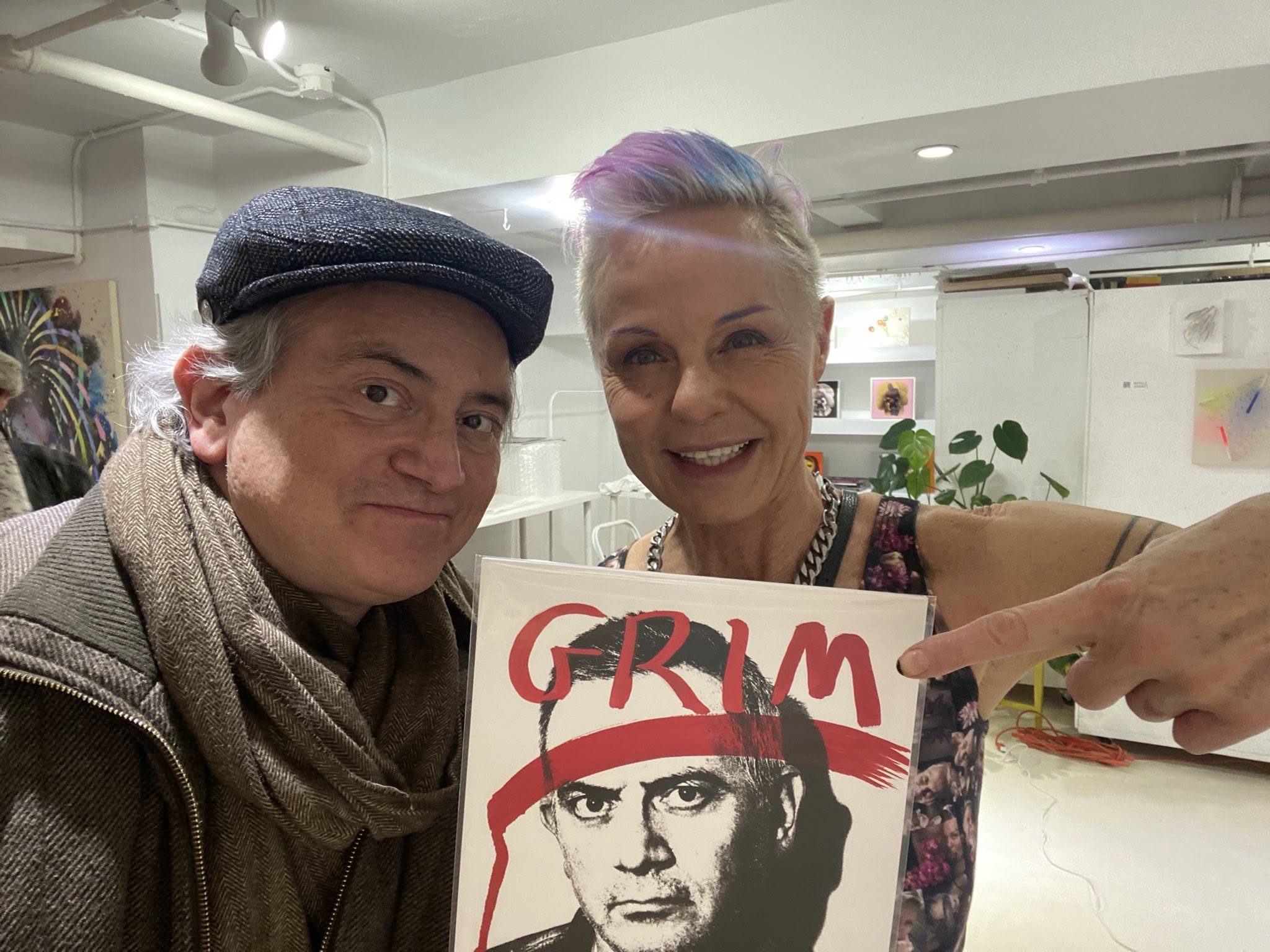
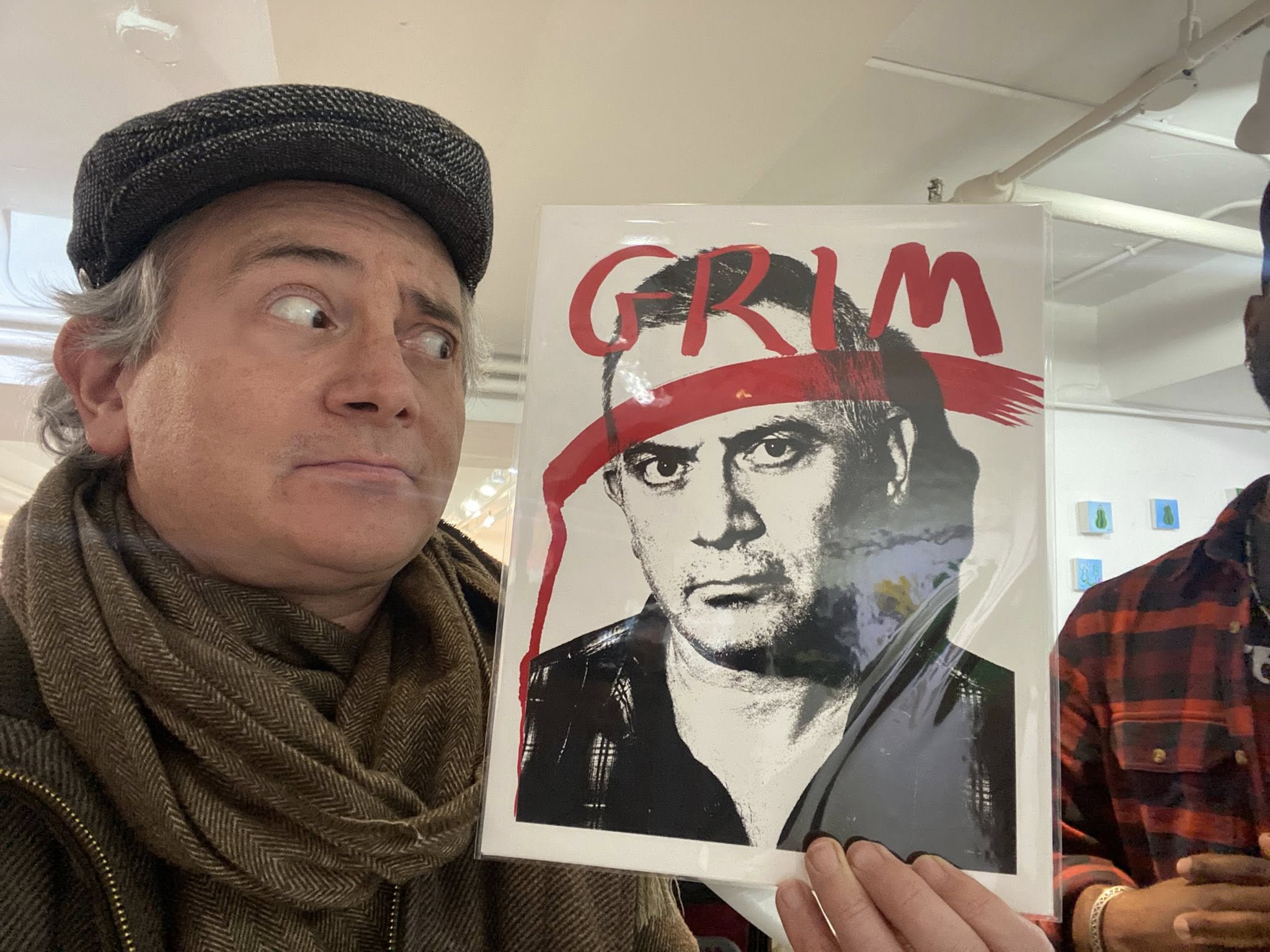
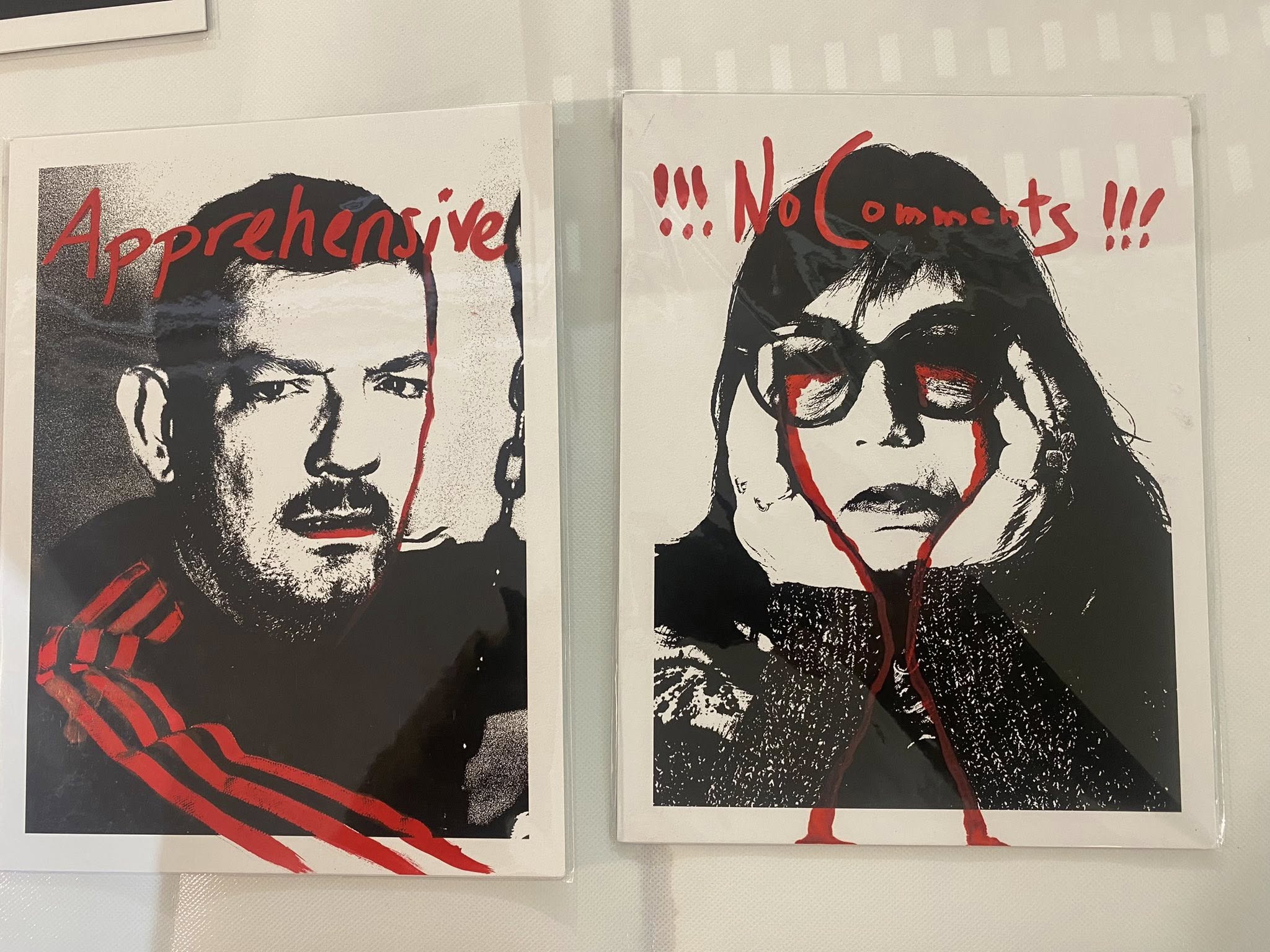
Above is my contribution to WOE – Wall of Emotions, a project created by Eva Mueller as a response to the ’24 post-election reality.
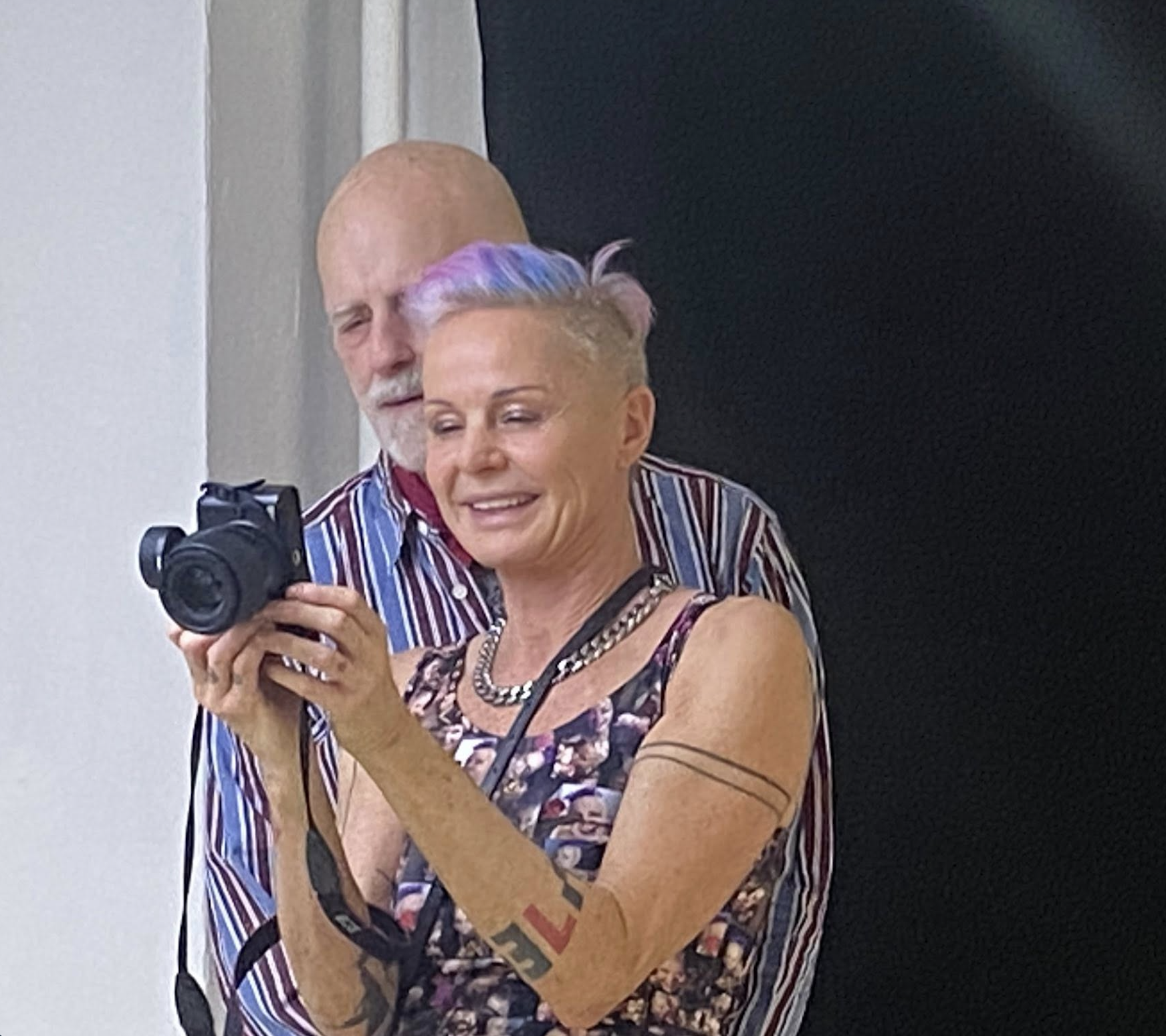
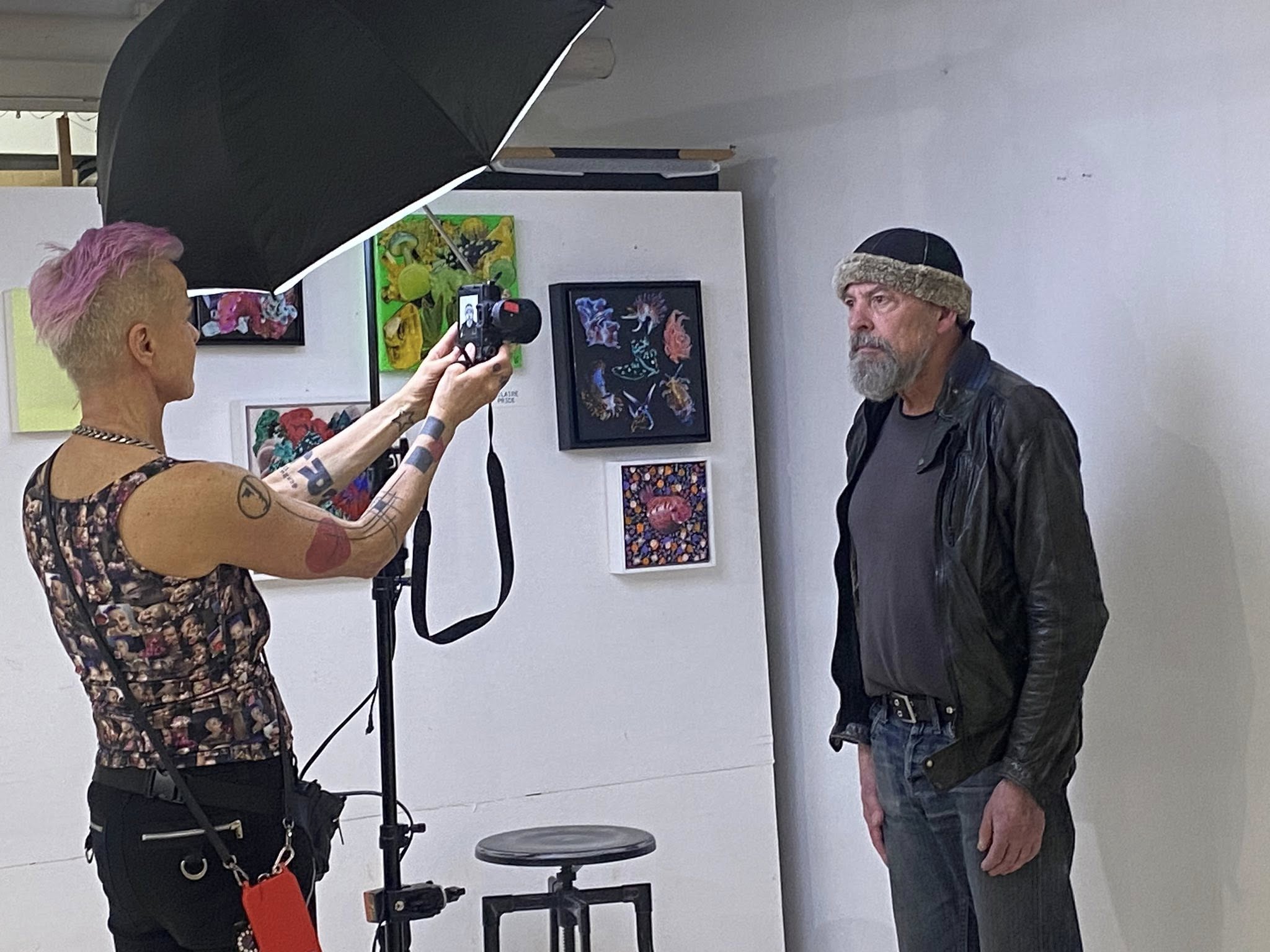
Yesterday Eva was at Maison 10 on 29th Street in Manhattan, taking photos of more subjects adding their emotions to the wall.
The flyer below describes the project and yesterday’s pop-up photo shoot and community hang:
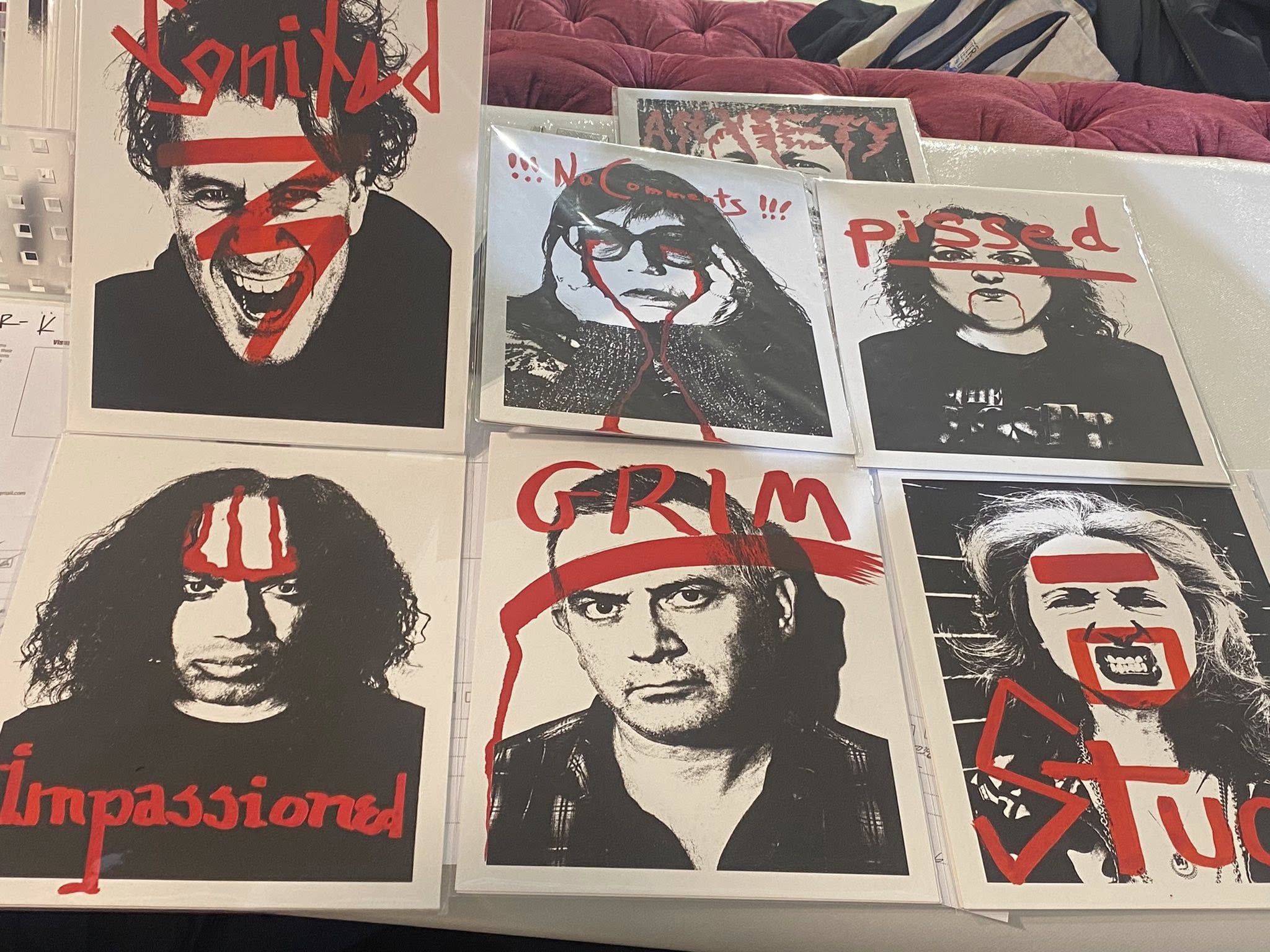
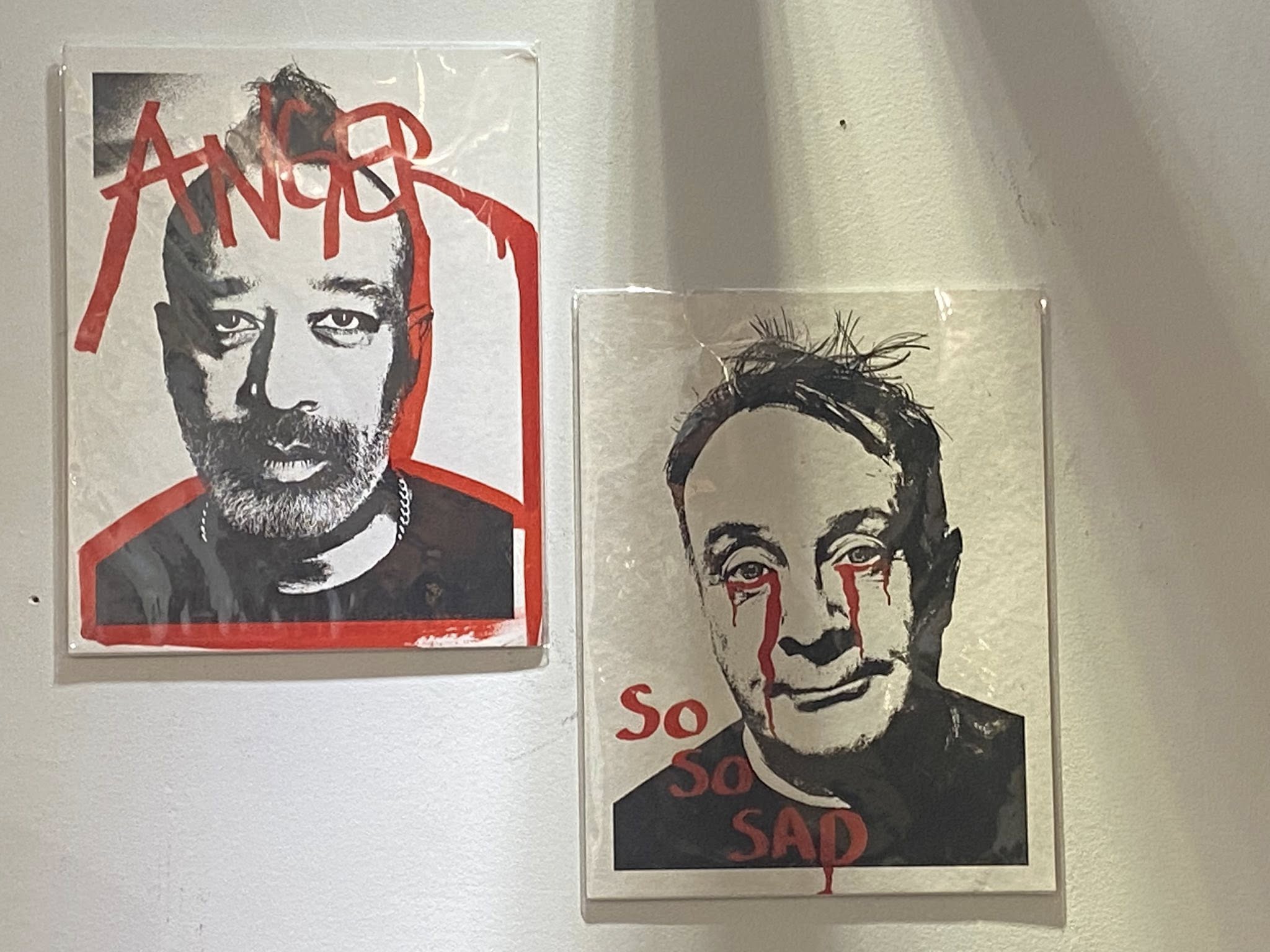
Below is my Emotion among 5 others of the 177 created so far, to which many more would be added yesterday. Eva’s goal is to have at least 500 that can be exhibited all together in one space.
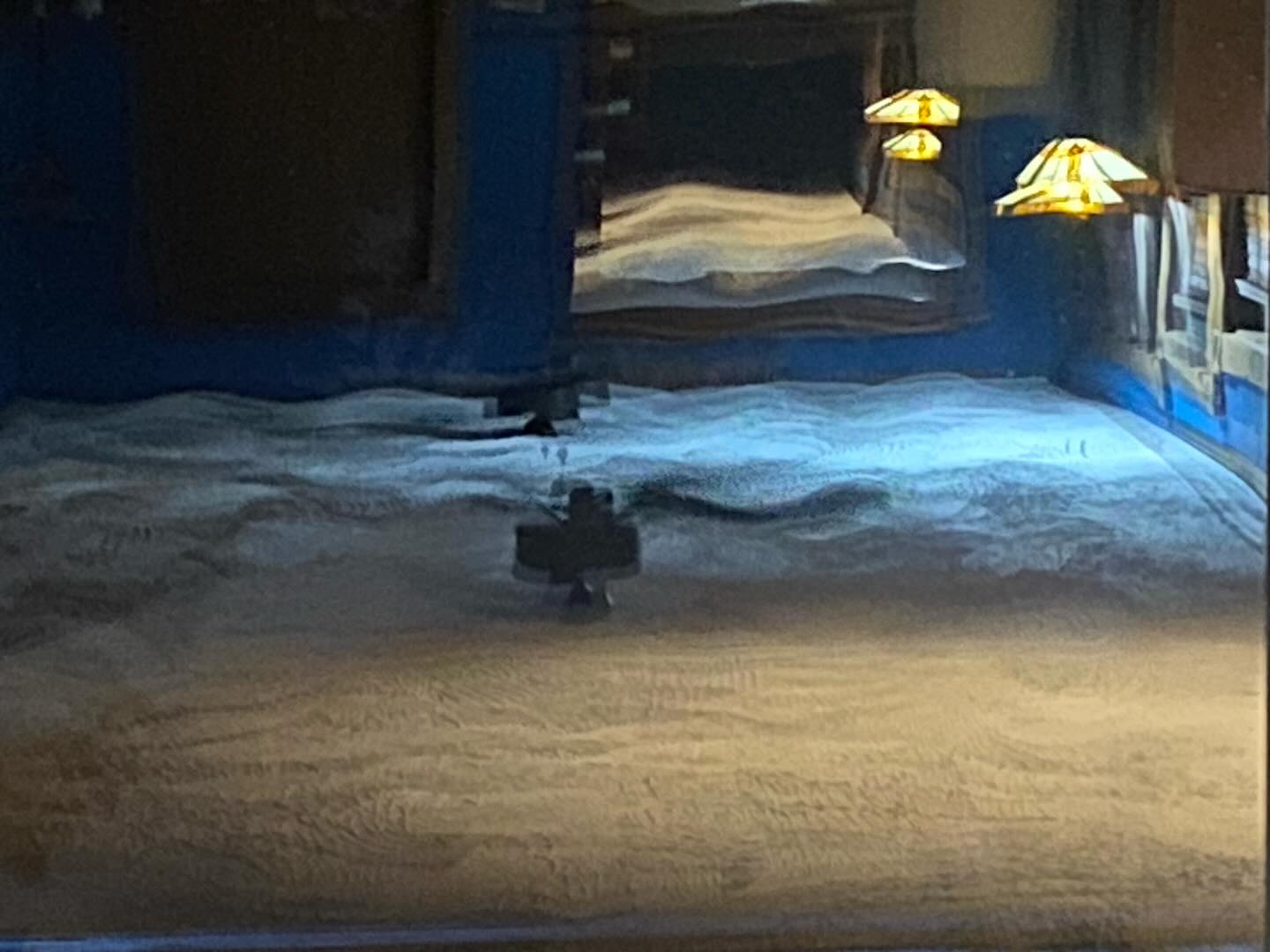
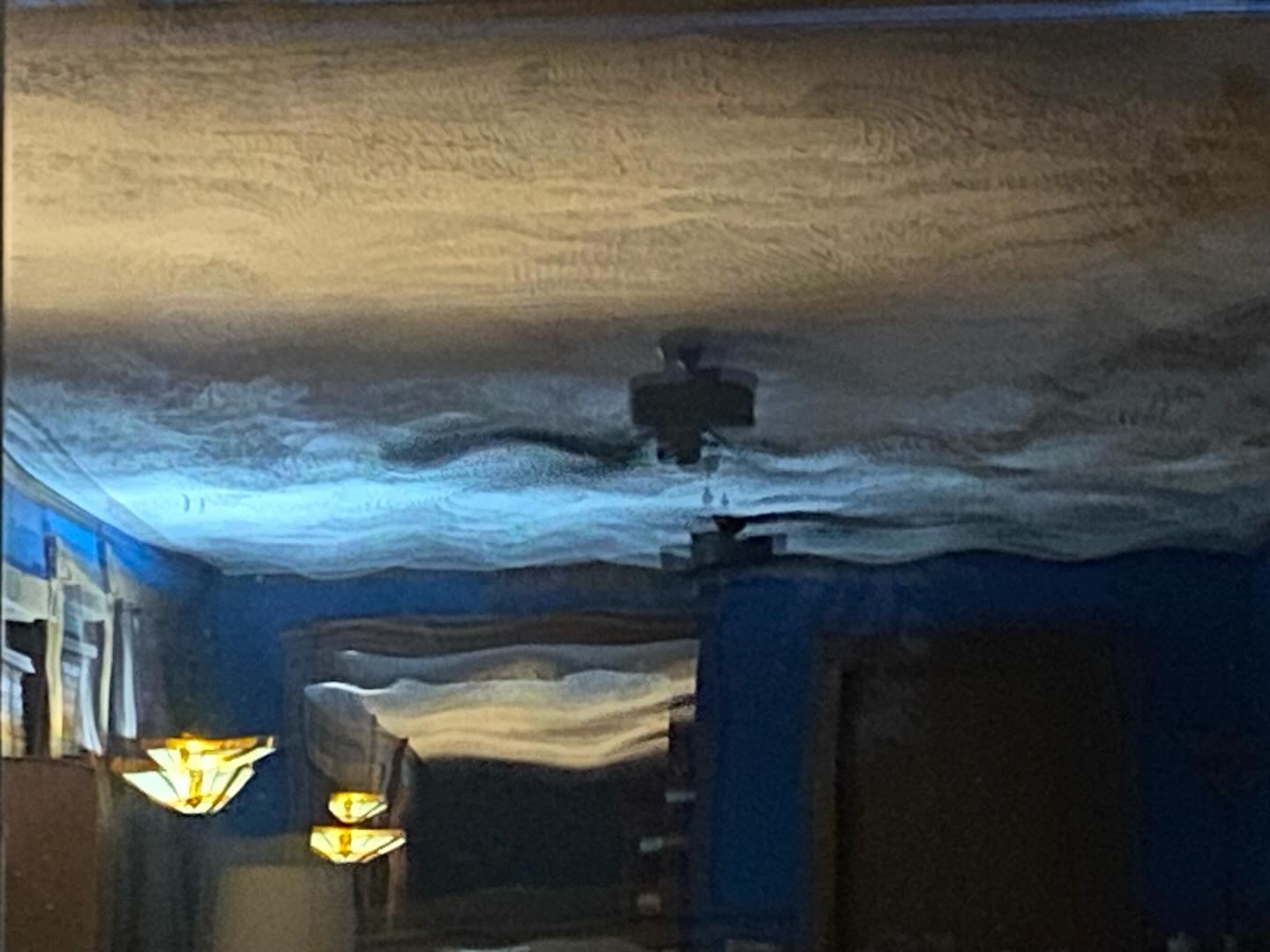
I saw the room reflected in a window at night, and something about the light play made the mirroring wavey and doubled. It looked like a near abstract oil painting to me.
I took a photo. And then flipped it. That version is at top, the original right-side-up photo is below.
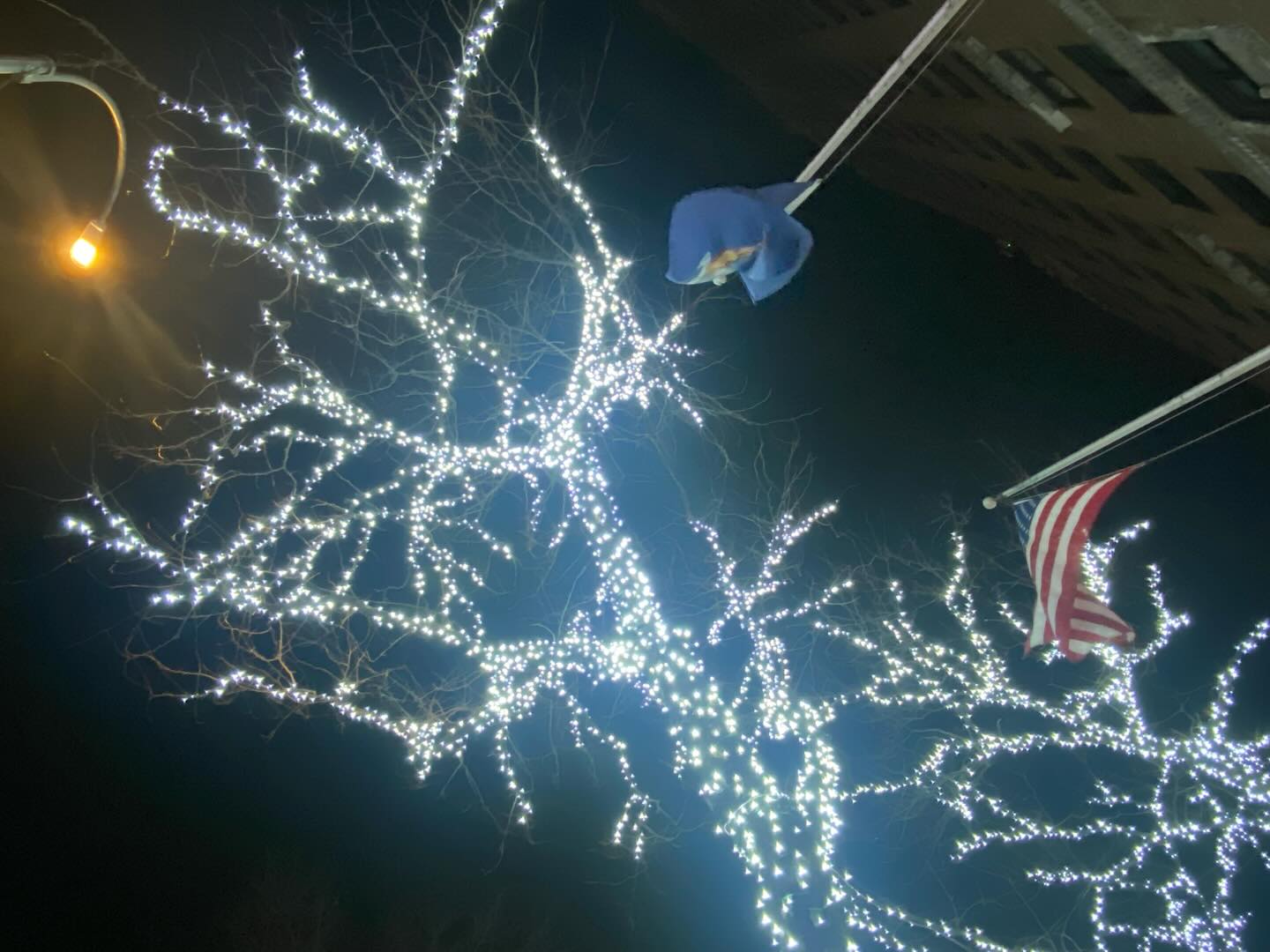
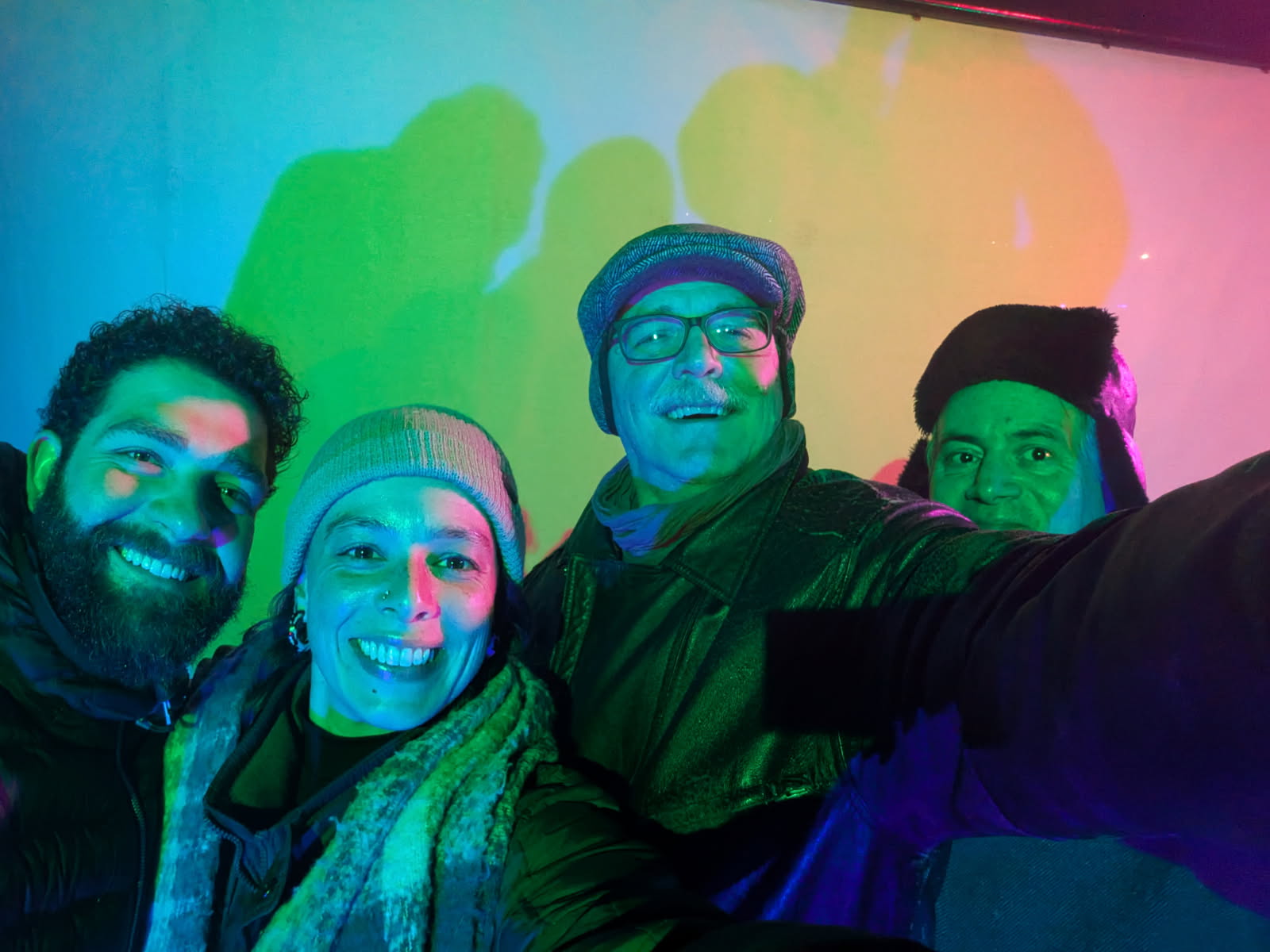
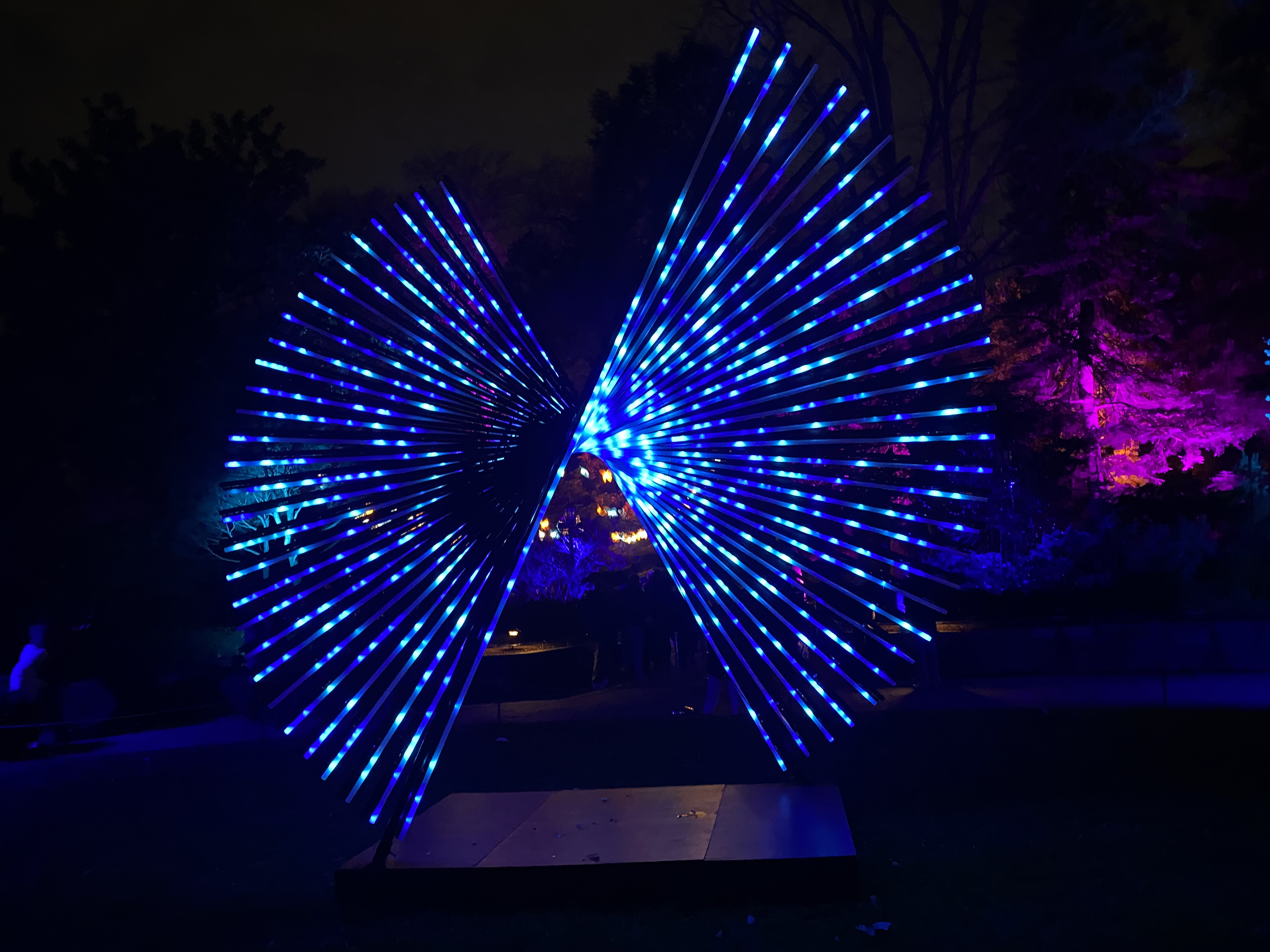
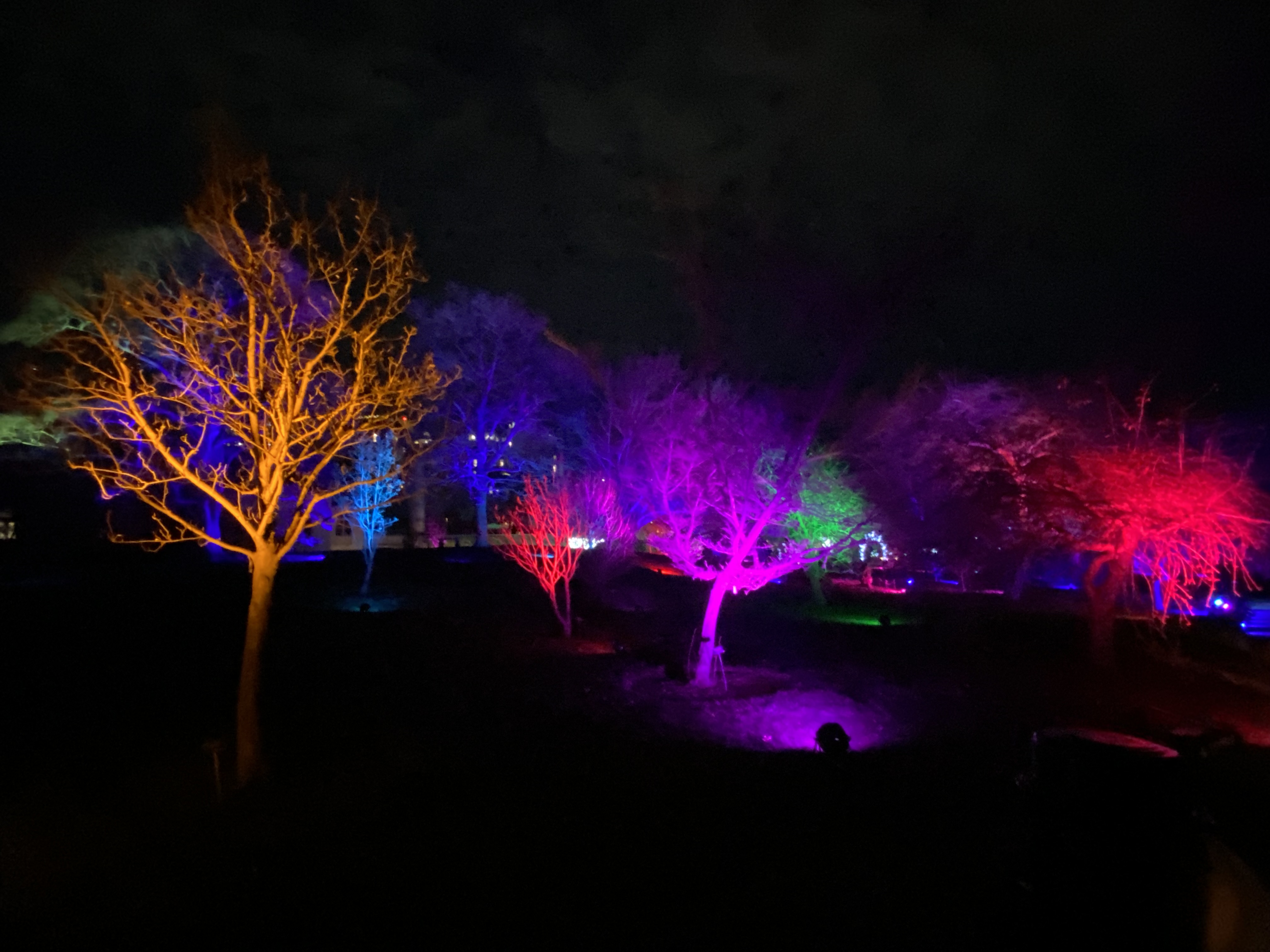
Our yearly return to the Brooklyn Botanic Garden’s winter lights and sounds spectacular, this time with much more video to show more lights in motion and share more accompanying music.
That’s me in costume as Bernhardt, the grandfather, on set of the short film “Mouse”, which was shot in Bushwick last weekend. “Mouse” is a fairy tale with adult themes. Bernhardt, the grandfather, is a woodsman who lives in a secluded hut with his granddaughter Renate, who discovers a mouse/angel under the bed.
As Bernhardt I was required to speak with a thick German accent, which comes easy to me having grown up in Berlin. I also got to wear this jaunty hat, much like the prized Tiroler hat Ed acquired in Austria years ago.
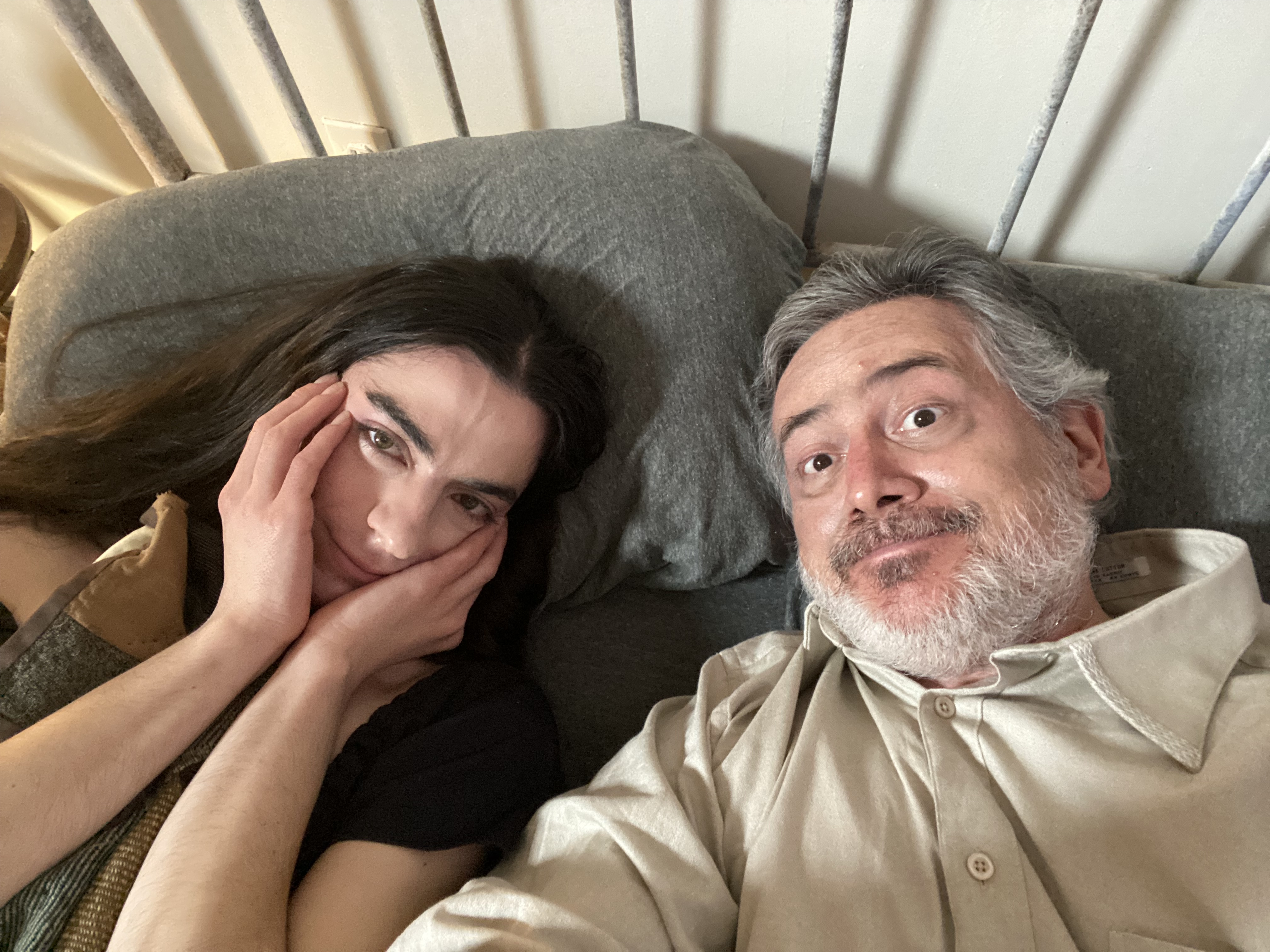
Here I am in bed with Christopher Gambino, who plays Renate. Bernhardt is a kind, loving, protective Grandfather. Mostly. He also does some very wrong things.
Like I said, this is a fairy tale with adult themes. Including sexual abuse. Gender fluidity. Nazis.
Yes, “the war” and “the Nazis” stand in for what in a classic fairy tale would have been the wolf in the woods.
Christopher looks towards the crew.
Bella Thorpe-Woods as the angel/mouse being made-up by Ashley Pignataro.
Director of photography Beth Parisi and writer/director Jode Sparks. Jode wrote “Mouse” creating the roles of Renate and the angel/mouse specifically for Christopher and Bella. The role of the grandfather was cast through a traditional casting and submission and audition process that eventually led to me being cast.
I had a lovely time with the motley crew of 20something artisans.
Here is another look of me in make-up as Bernhardt, wrinkles highlighted, dark shadows under my eyes, and my woodsman’s nose reddened like Rudolph. I mention Rudolph since I am posed in front of a Peanuts Xmas shower curtain, and so this final pic also serves as another seasons’s greetings.
The Old Testament continues to inspire the current run of installment titles. Whether the current title is a comment on the quality of my captions, I will leave to you to decide.
No I will not call you polar bears! Now get back in here!
The primary slobber stain is called The Pacific, the secondary The Atlantic.
Sorry, but the offer clearly stated “Can You Eat All”, not “All You Can Eat”.
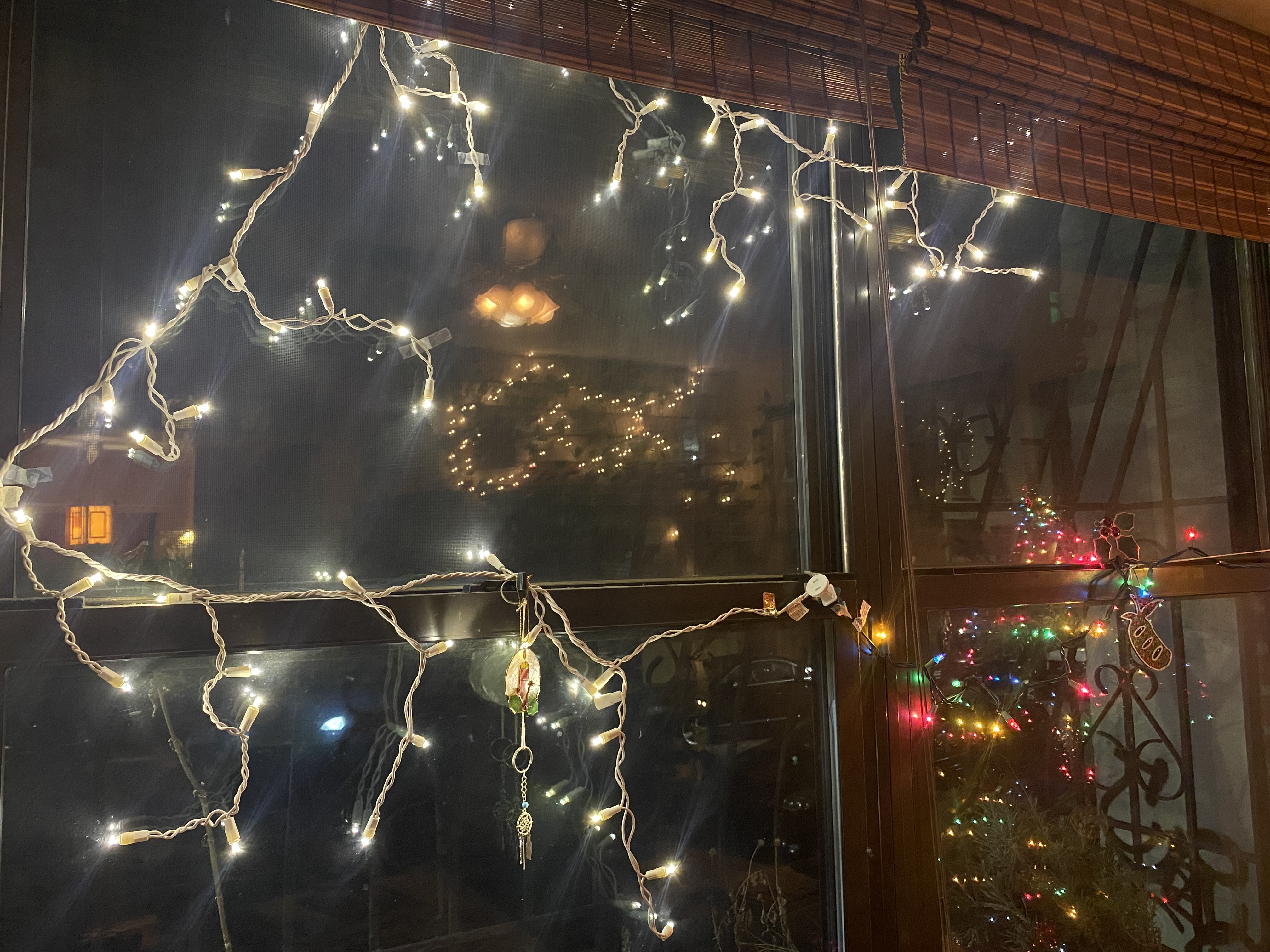
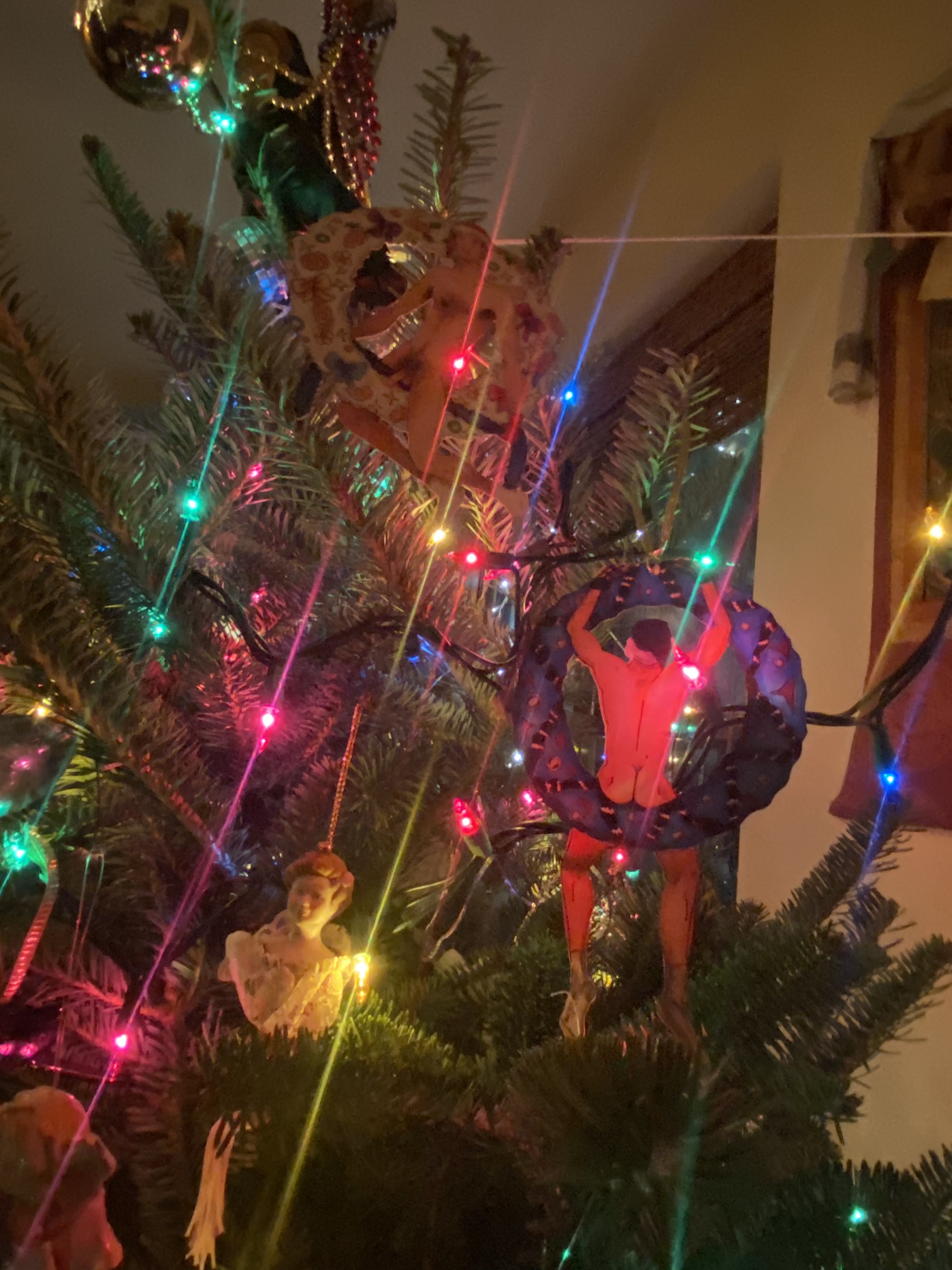
We dressed our tree. Our windows have lights. Even our trellis is dressed.
I prefer to call it a Solstice Tree.
And since this is a very Queer home, our tree angel is a vintage Billy doll.
He’s very anatomically correct, but we’ll keep his faux leather pants on.
For now.
(the dragon isn’t part of Billy, we added that ourselves…)
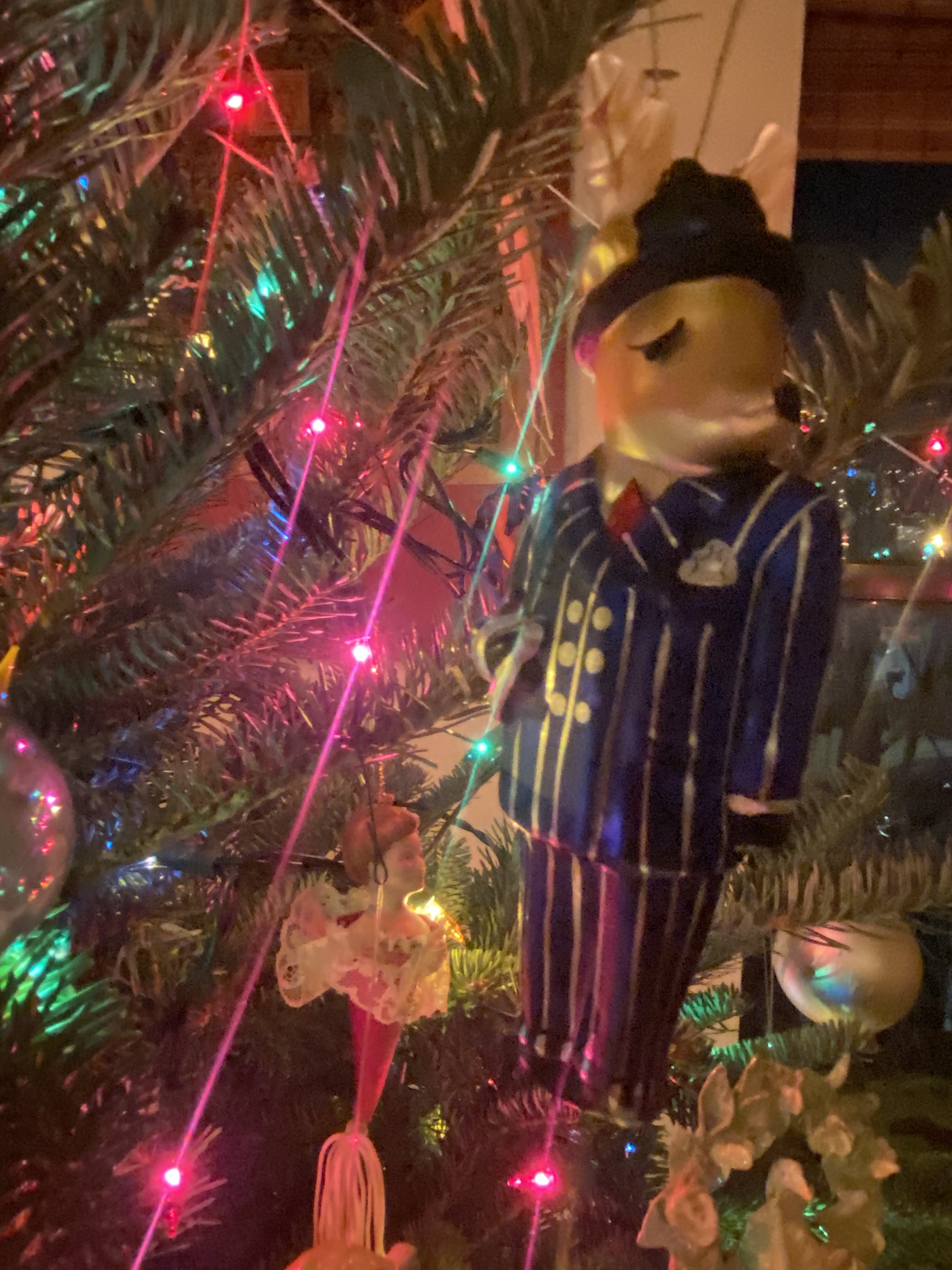
Over the years, as for many, family and friends have gifted us particularly precious ornaments, like our two dapperly suited reindeer pals.
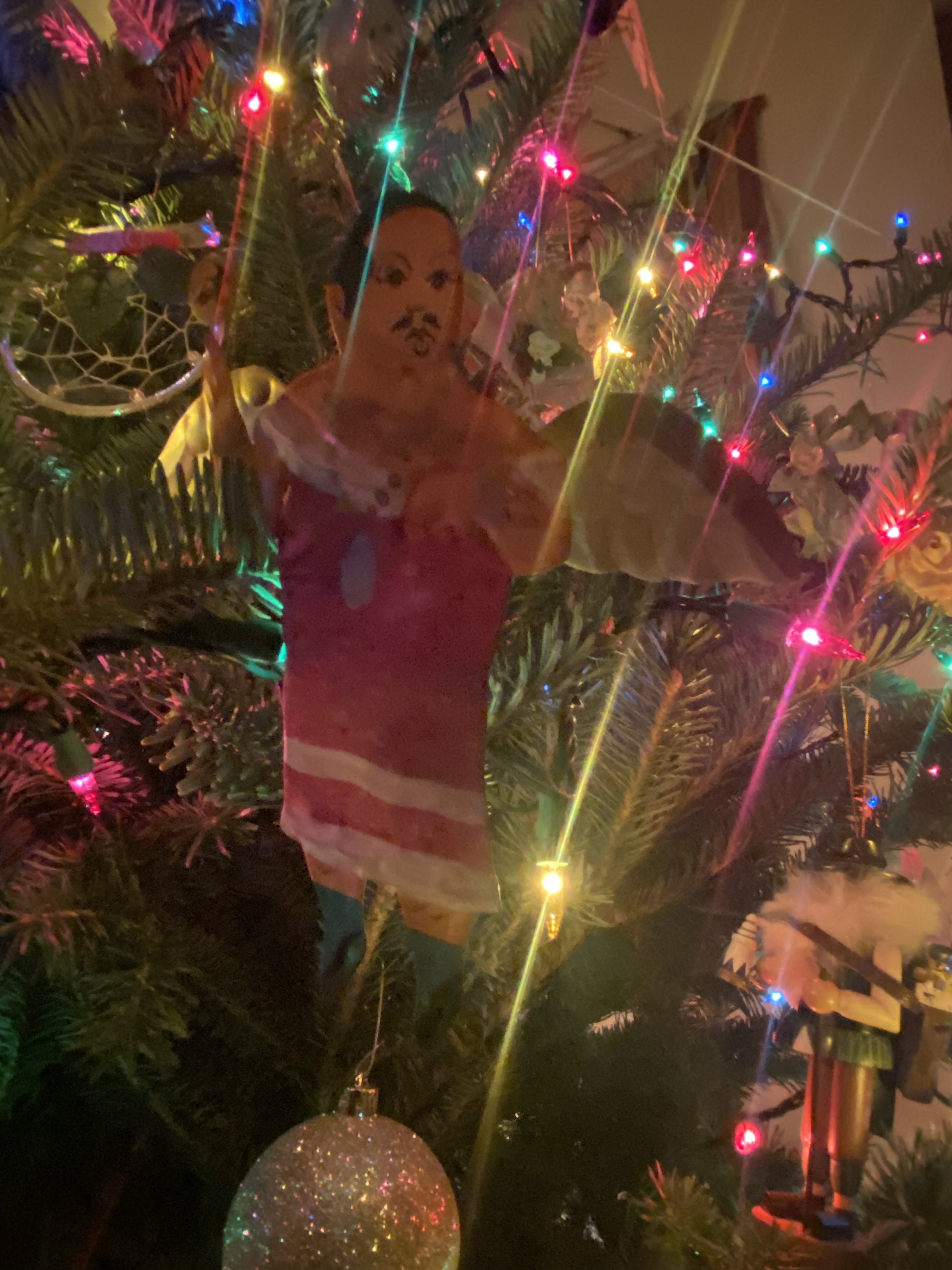
Joining Billy there are more Queer-spirited hanger ons.
See them?
Of course Billy is surrounded by disco mirror balls.
As mentioned, we even have a Solstice Trellis, on which a vine I’ve kept for 36 years is happily entangled, now joined by lights, red baubles and striped candy canes.
The vintage “Gay Blade” razor advertisement clock was a gift from our closest lesbian friends.
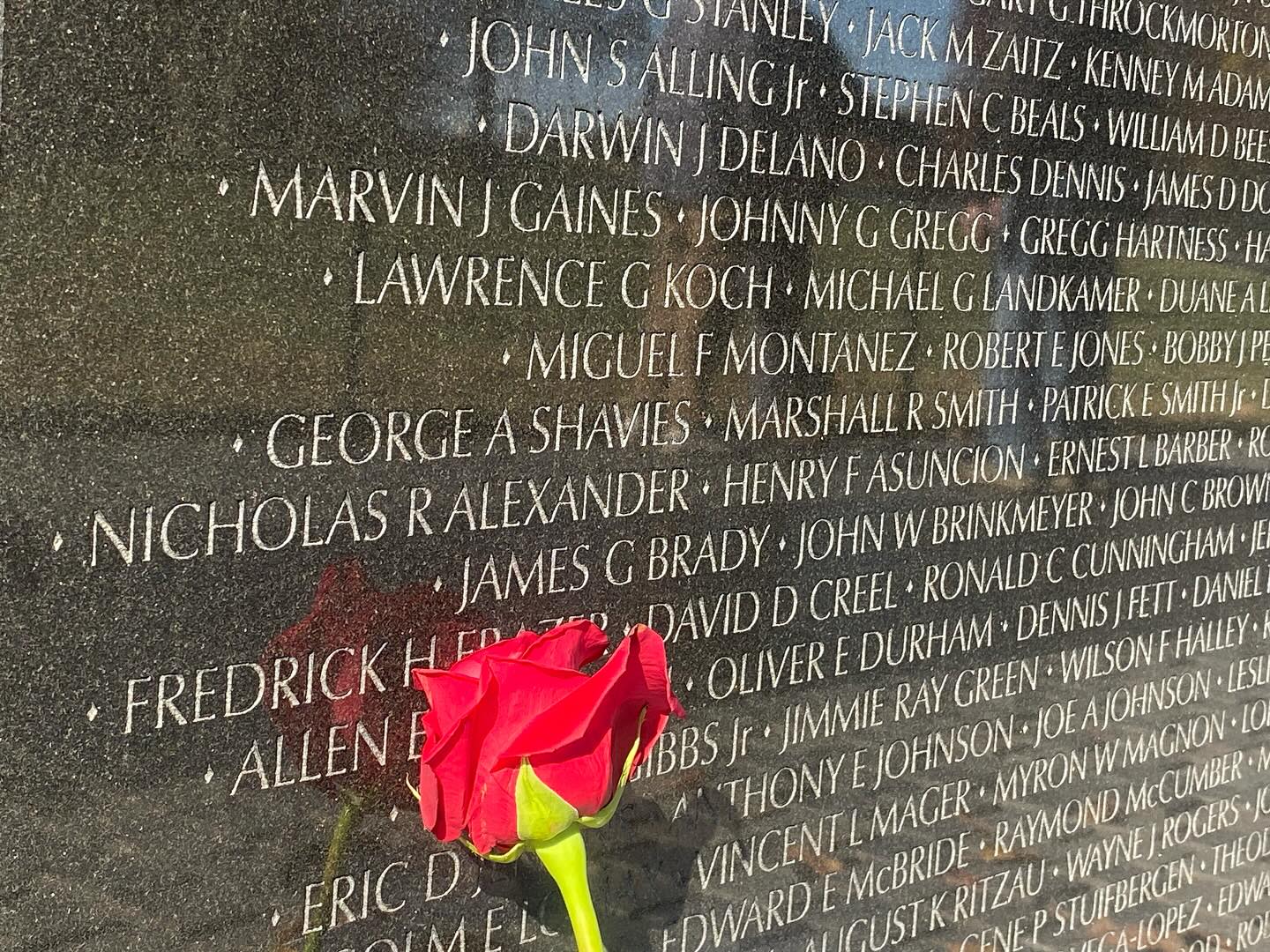
This Monday I was in Washington DC and took some photos at the Vietnam Memorial which I will share below.
The picture above however is not one of the photos I took but a screenshot of footage I was shooting in DC for my new Poe musicabre. As previously announced (with one follow up post), I am currently working on my third Poe musicabre, following musical short film adaptations of The Tell-Tale Heart and The Pit and the Pendulum. I’ve been shooting footage for it in various locations in the USA and Europe this summer and fall. DC was my final stop on the itinerary.
As you can see, I am still choosing to be mysterious as to which Poe classic I’ve set to music and adapted for film this time. I promise a “big official reveal” is forthcoming, along with a designated page for the film, just like for its two Poe musicabre brethren.
For now we’ll be more touristy than musicabric. Here are some images of a fine autumn day at the Vietnam Memorial, followed by a few more screenshots from the footage I took:
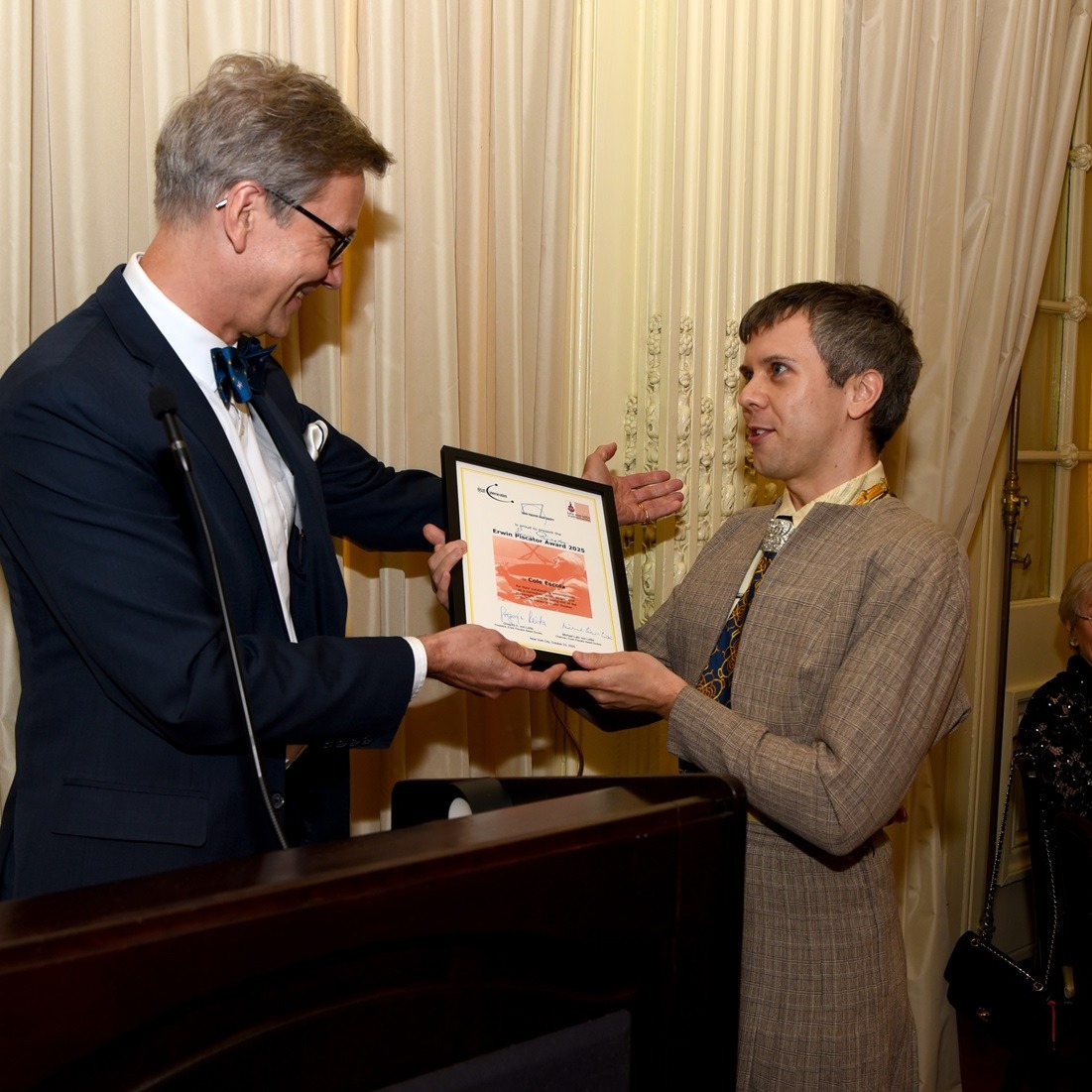
Michael Lahr von Leitis presenting Cole Escola with the Piscator Award
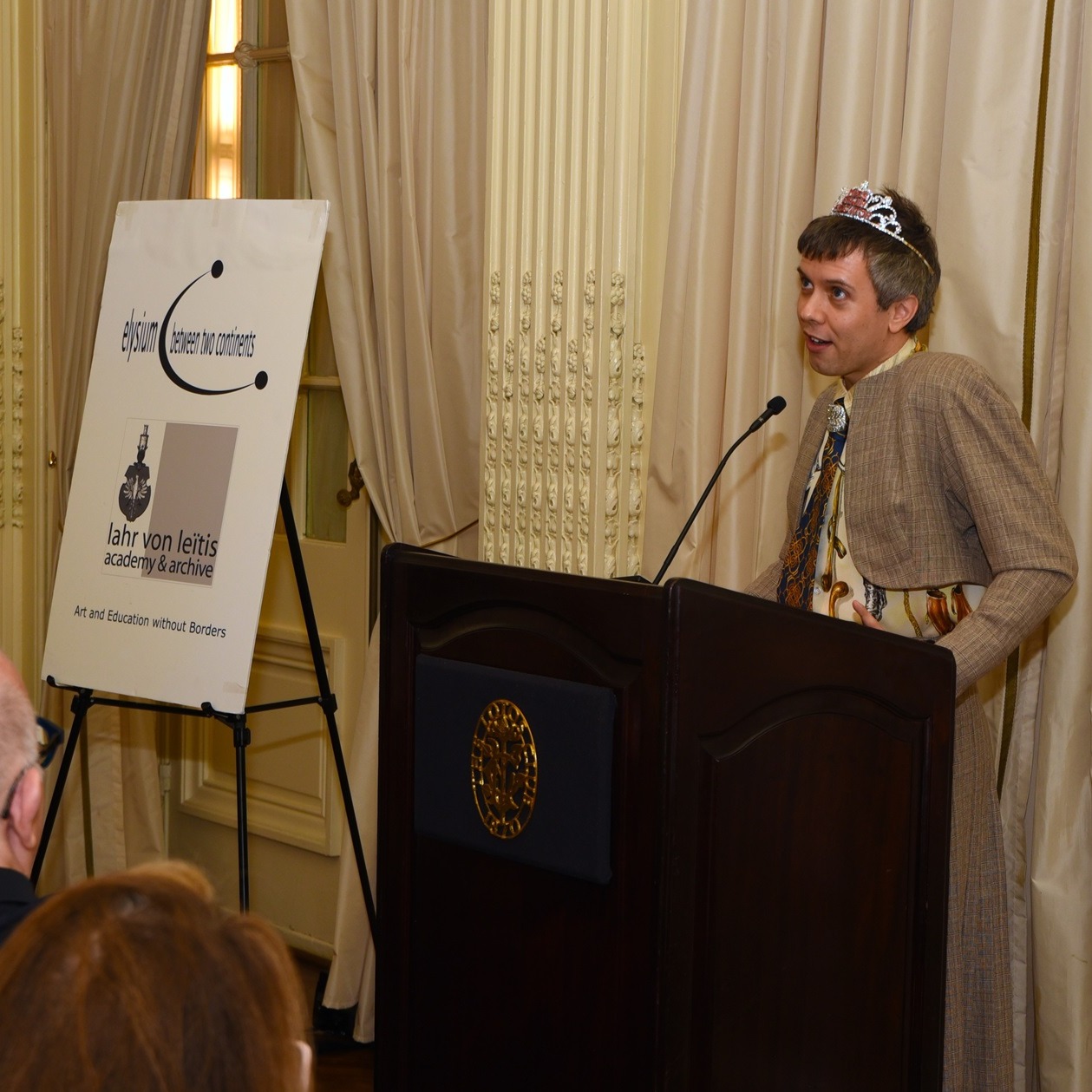
I had the pleasure and privilege of performing October 23 at the Piscator Awards, a dinner and fundraiser at the swanky Upper East Side Lotos Club benefitting the arts organization Elysium – Between Two Continents.
This year’s Piscator Award went to Cole Escola, the current Toast of Broadway for “Oh, Mary!”, “for their outstanding achievements as a comedian, actor, singer, and playwright, and for being one of the leading voices in queer theatre.”
My performance contributions revolved around accompanying soprano Jeannie Im on the grand piano and a bit of acting. We opened the evening by performing Schiller’s “Ode to Joy” as set to music by Schubert, not the better known version by some cat named Beethoven.
Later, after an introduction by the playwright Doug Wright, Jeannie and I performed Weimar era songs, and short spoken texts, mostly in German. Below you can see me camping it up with Jeannie, acting out Marcellus Schiffer’s “When the best friend…”, about two Lesbians gossiping.
“Wir vertragen uns so gut es ist kaum auszuhalten!” I exclaim before Jeannie translates: “We get along so well I can barely stand it!”
Note the sign to the right. One might add that when the piano player gets that campy, occupancy by even more than 29 persons may be dangerous and unlawful!
Pictured above, Doug Wright hands Cole Escola a tiara to go with their award after the actor John Early’s introduction. All three gave very witty, endearing speeches.
John Early
Elysium – Between Two Continents , dedicated to “artistic dialogue, creative exchange and mutual friendship between the U.S. and Europe – fighting racism, hate, and anti-Semitism by means of art” is helmed by Gregorij H. von Leitis and Michael Lahr von Leitis. I’ve known both gentlemen since 2005, when we collaborated on a 90 minute program of Weimar era German cabaret songs. The four songs sung tonight were originally part of that program.
Bracketing “Wenn the best friend”, Jeannie first sang Kurt Weill’s electric-lights-art-song jingle “Berlin im Licht” and then Friedrich Hollaender’s” feminist barnstormer “Raus mit dem Männern” (Out with the men). During the second chorus Jeannie tweaked one of the lines to say “Raus mit dem Männern aus dem Weißen Haus”. Even many who don’t speak German caught that sentiment’s meaning.
Then dinner was served, the award was presented, and during dessert, Jeannie and I continued with the cabaret.
In the picture above she sings Misha Spolinksy’s cynical ballad of politics “Ich weiß das ist nicht so”. This was followed by me reciting the following text, quoting Marcellus Schiffer:
“Politicians are magicians who make swindles disappear
The deals they are making, the bribes they are taking
Never reach the public’s ear
The left betrays, the right dismays
The country’s broke – and guess who pays
But tax the swindles in the making
Profits will be record breaking
Everyone swindles some
So vote for who will steal for you
—
from the revue “Alles Schwindel” – “All is Swindle” – Berlin, 1931
Two years late its composer Misha Spolinsky will flee the Nazis to London”
Then Jeannie sang the only English language number, Spolinsky’s song of exile: “Good Bye Trouble”.
Gregorij H. von Leitis, Cole Escola, Michael Lahr von Leitis
Afterwards, Cole Escola made a point of thanking both Jeannie and myself for our efforts. Saying “Everyone at my table was very impressed with you” while shaking my hand. That was very sweet. I decided against cheapening the moment by asking for a selfie with Cole, but if I had, I would be shamelessly – well, maybe a little blushingly – sharing it here.
But as it is, photo credit for all pictures in this post goes to John Harris
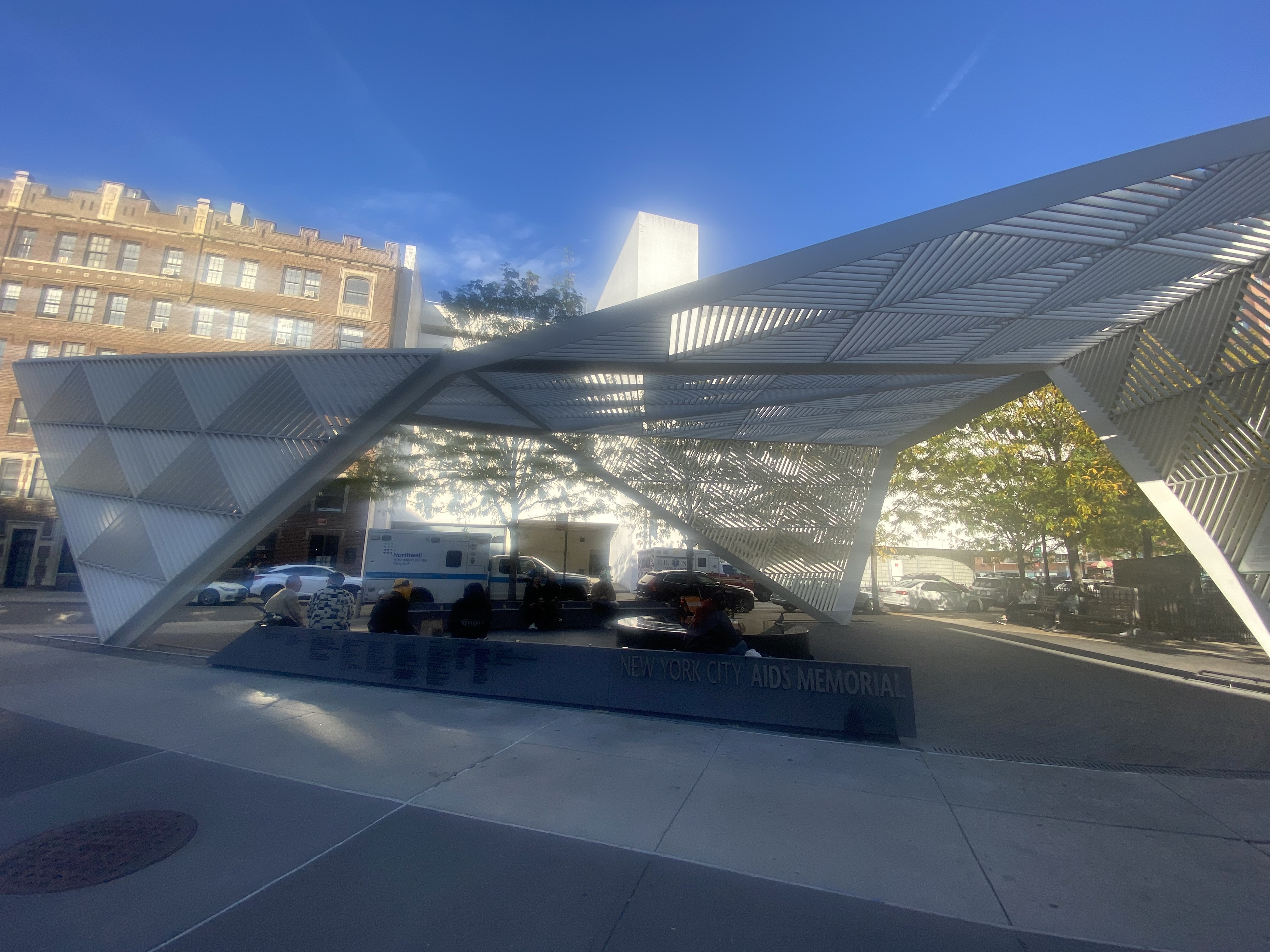
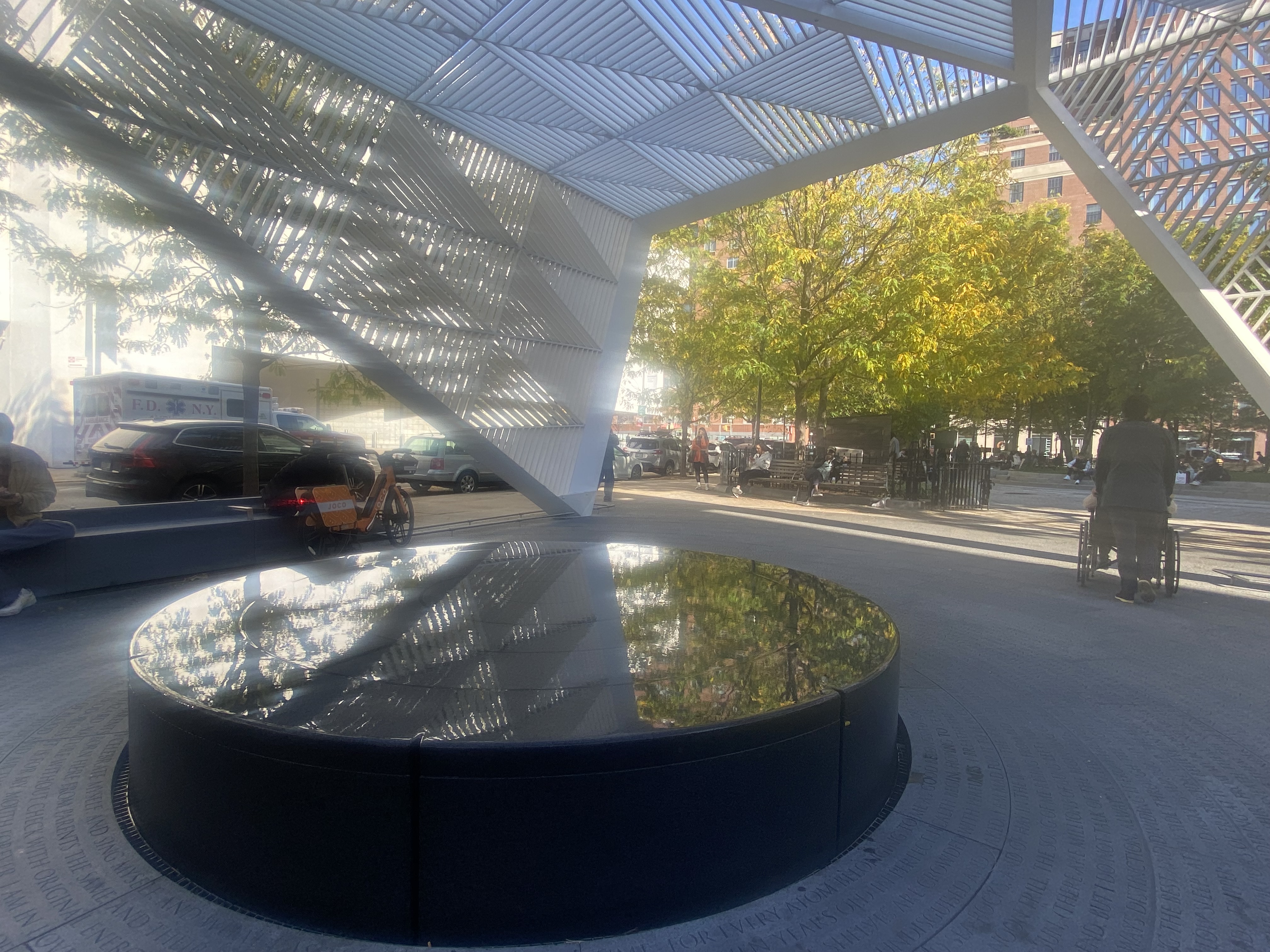
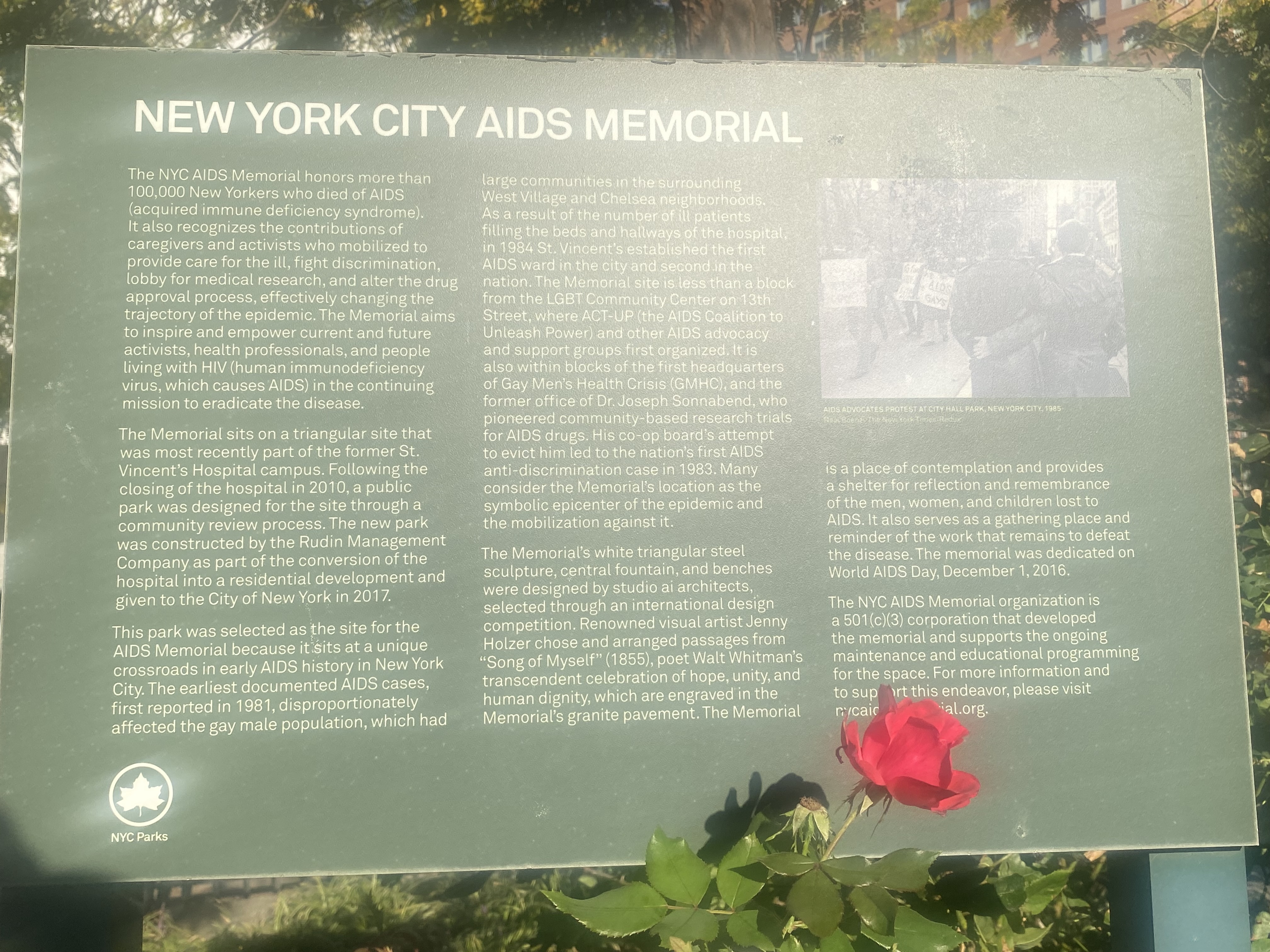
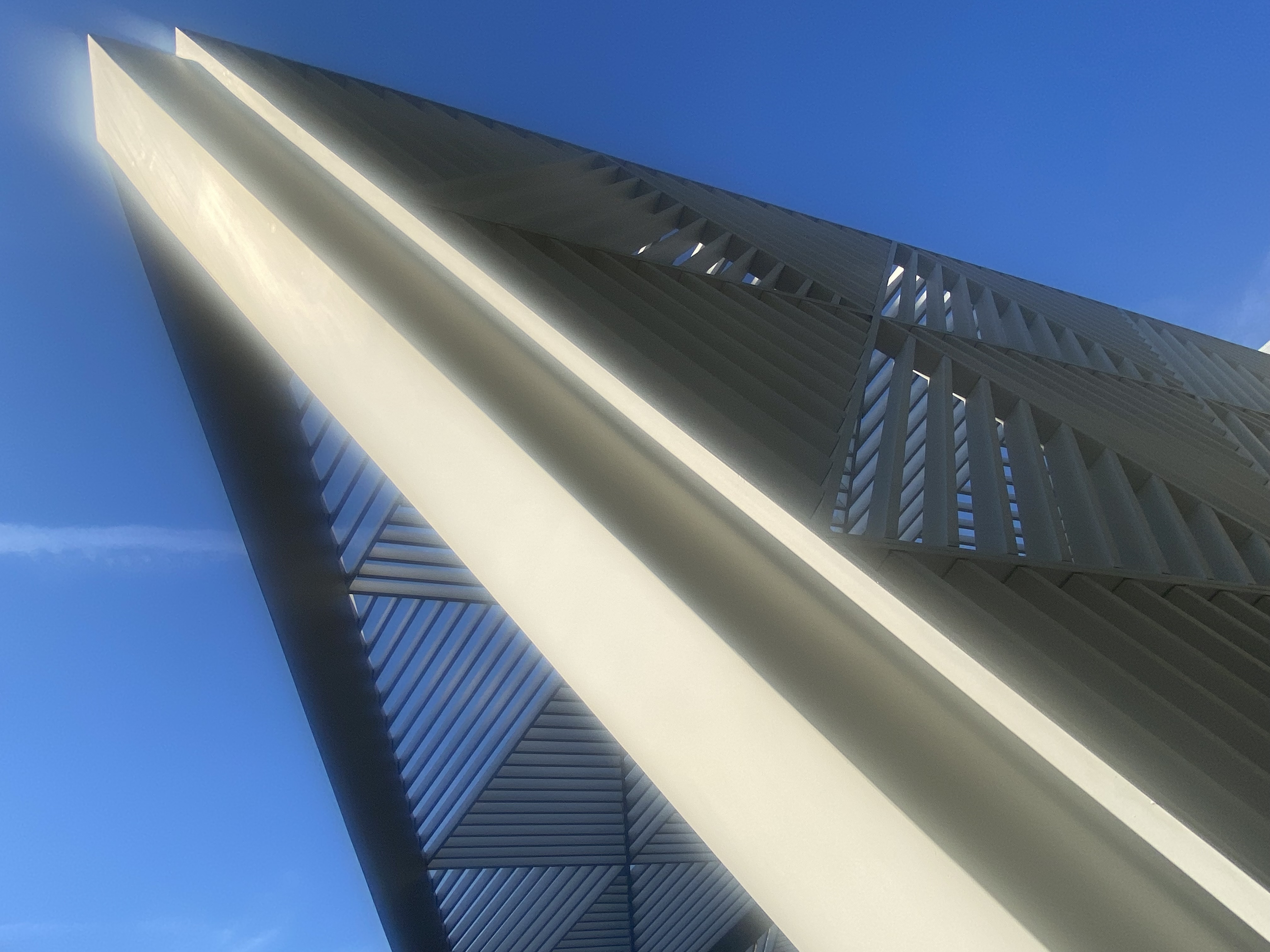
After completing the No Kings march last Saturday, Ed and I took a break at the Aids Memorial in the Village before going for dinner and taking in a double feature at Newfest (we saw the queer animal documentary “Second Nature” and the Zombie campfest “Queens of the Dead”, both of which I heartily recommend).
I’ve posted pics of the Aids Memorial before, but the photos I took this time are contrasting enough to warrant a second look. I was especially taken with how more dramatically reflective the thin film of water on the central black granite disc was in the October light.
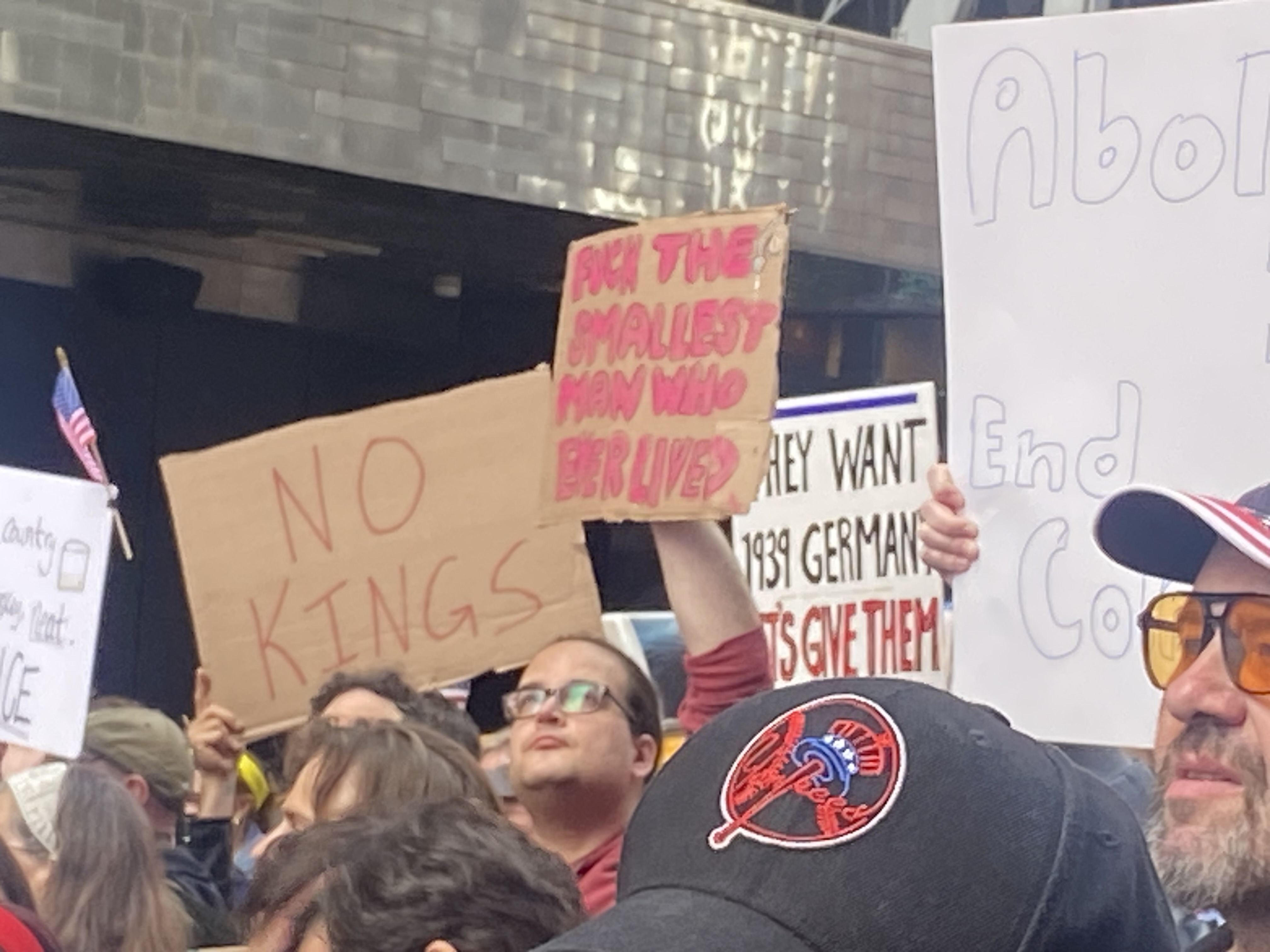
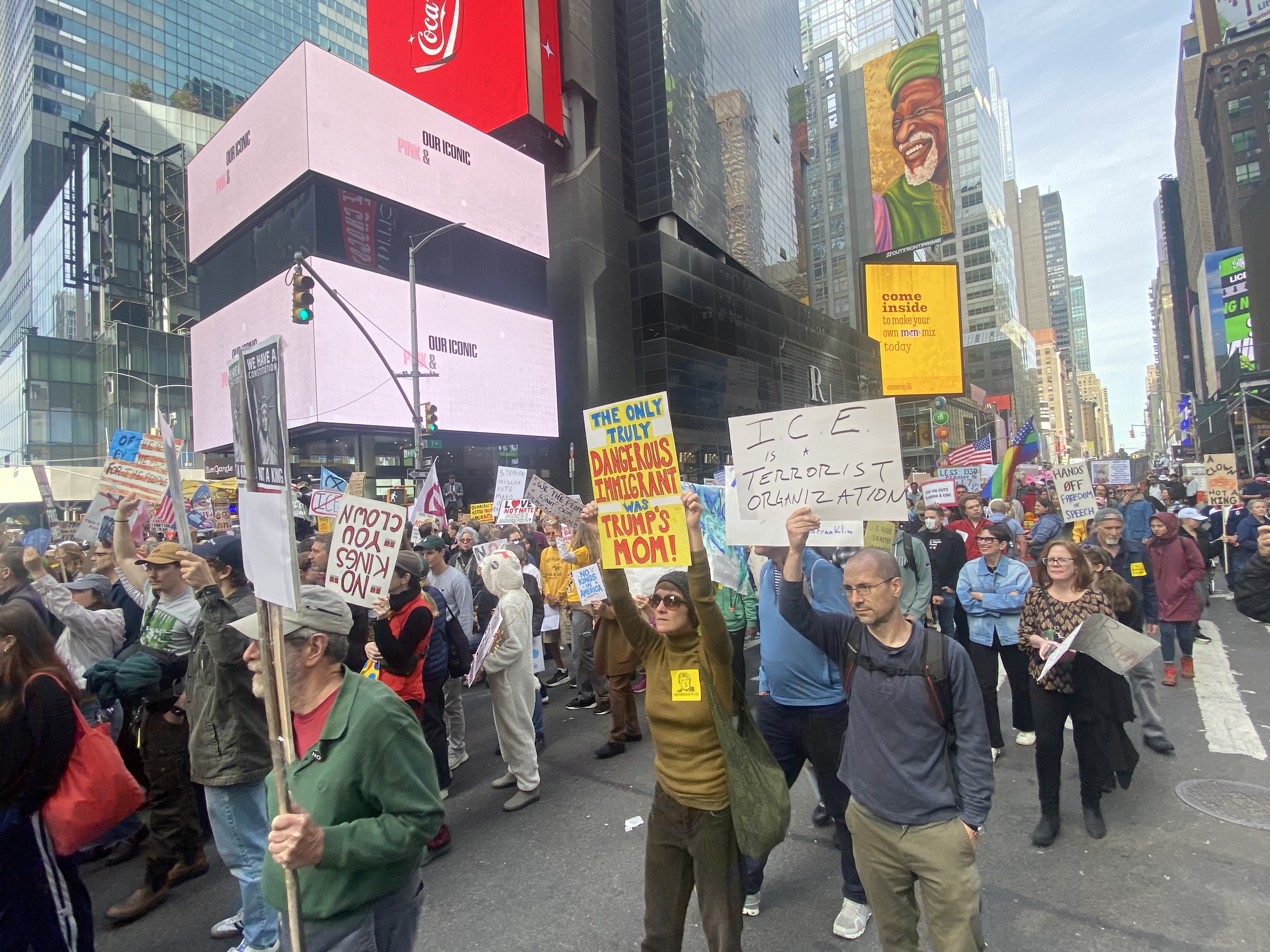
I joined some friends (and 300 000 more) in New York City yesterday (plus 7 million more nationwide) to march for Democracy, Truth, Decency, among other things, and against Fascism, Lies, Bigotry, among other things…
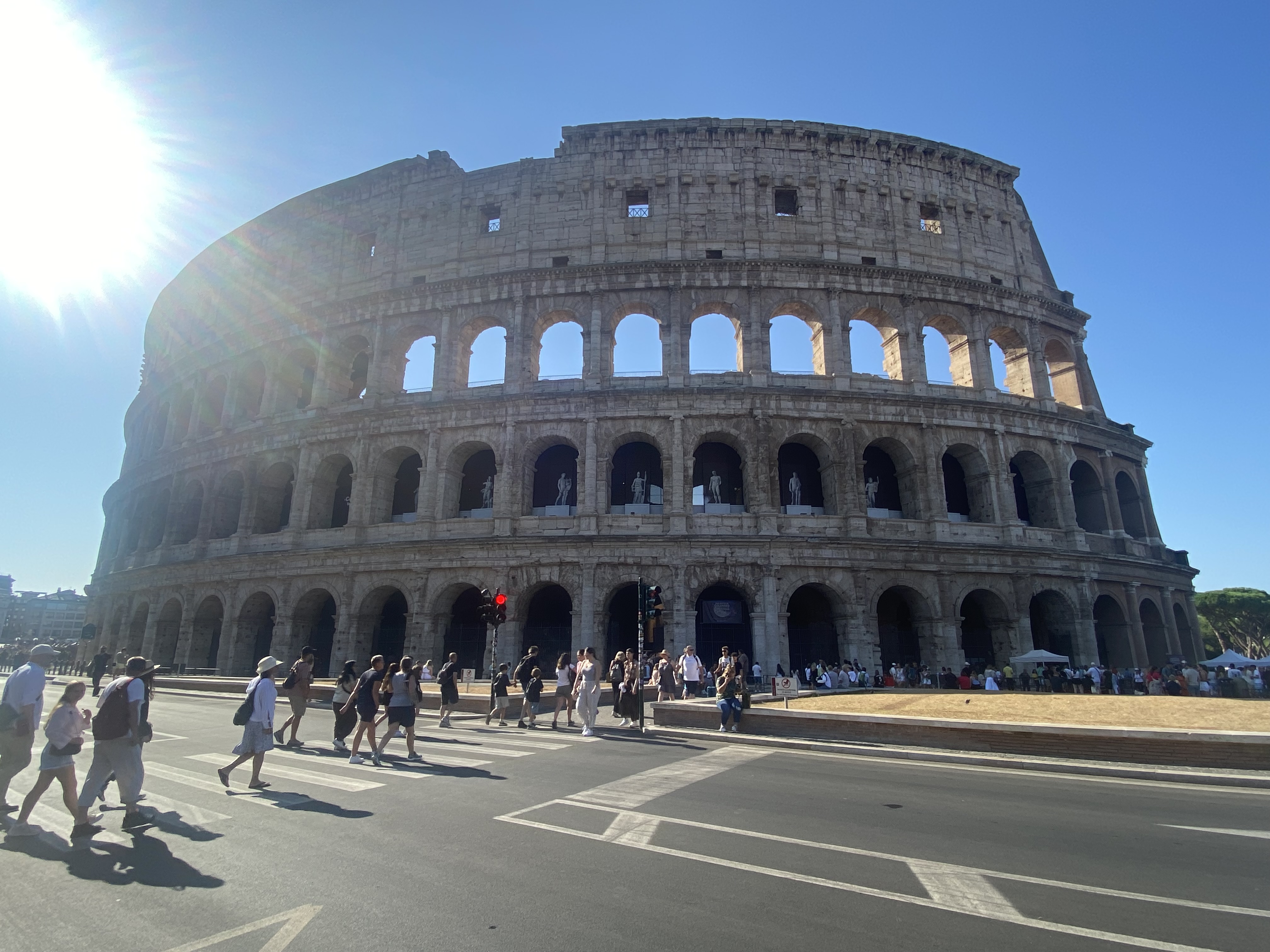
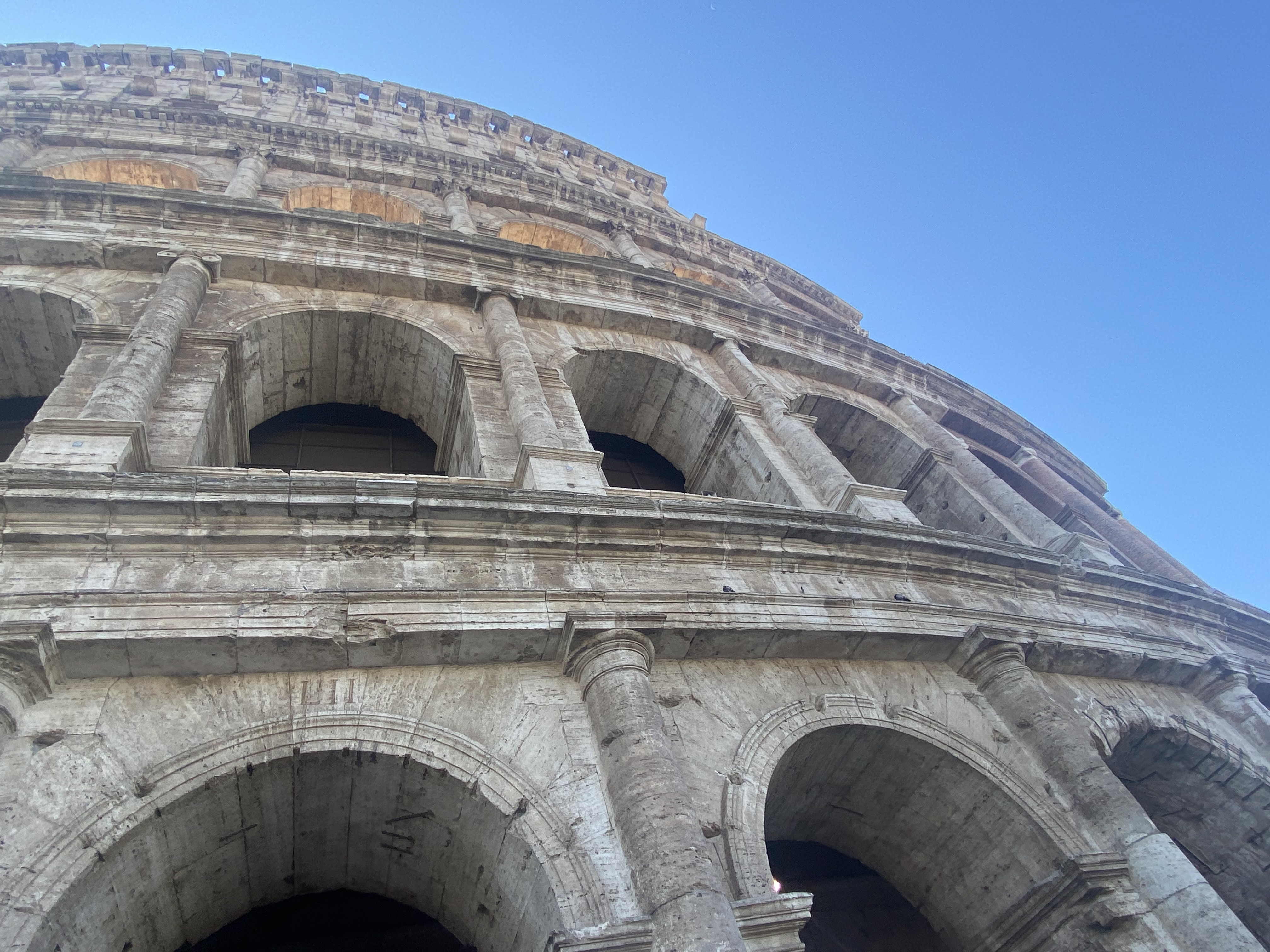
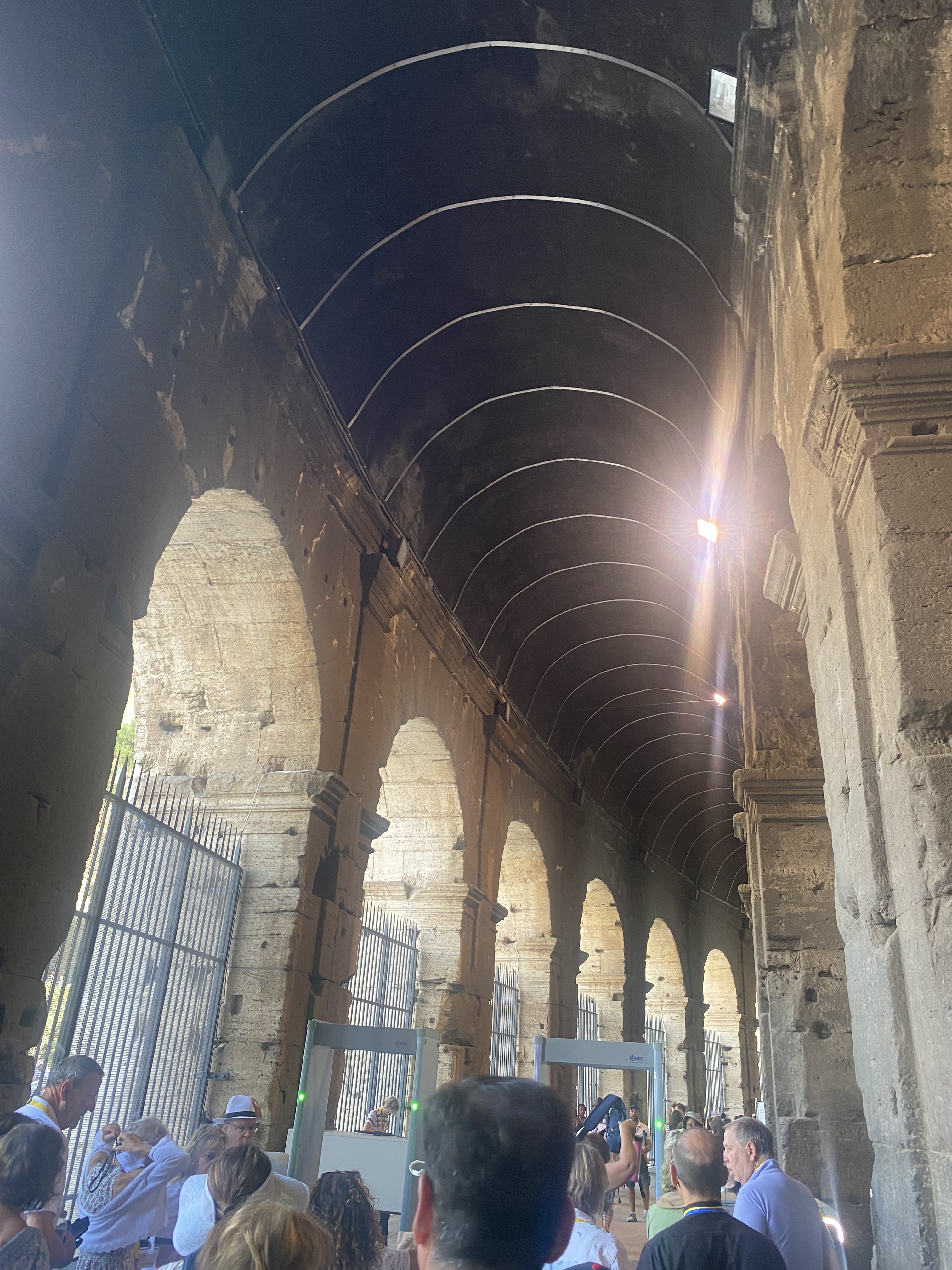
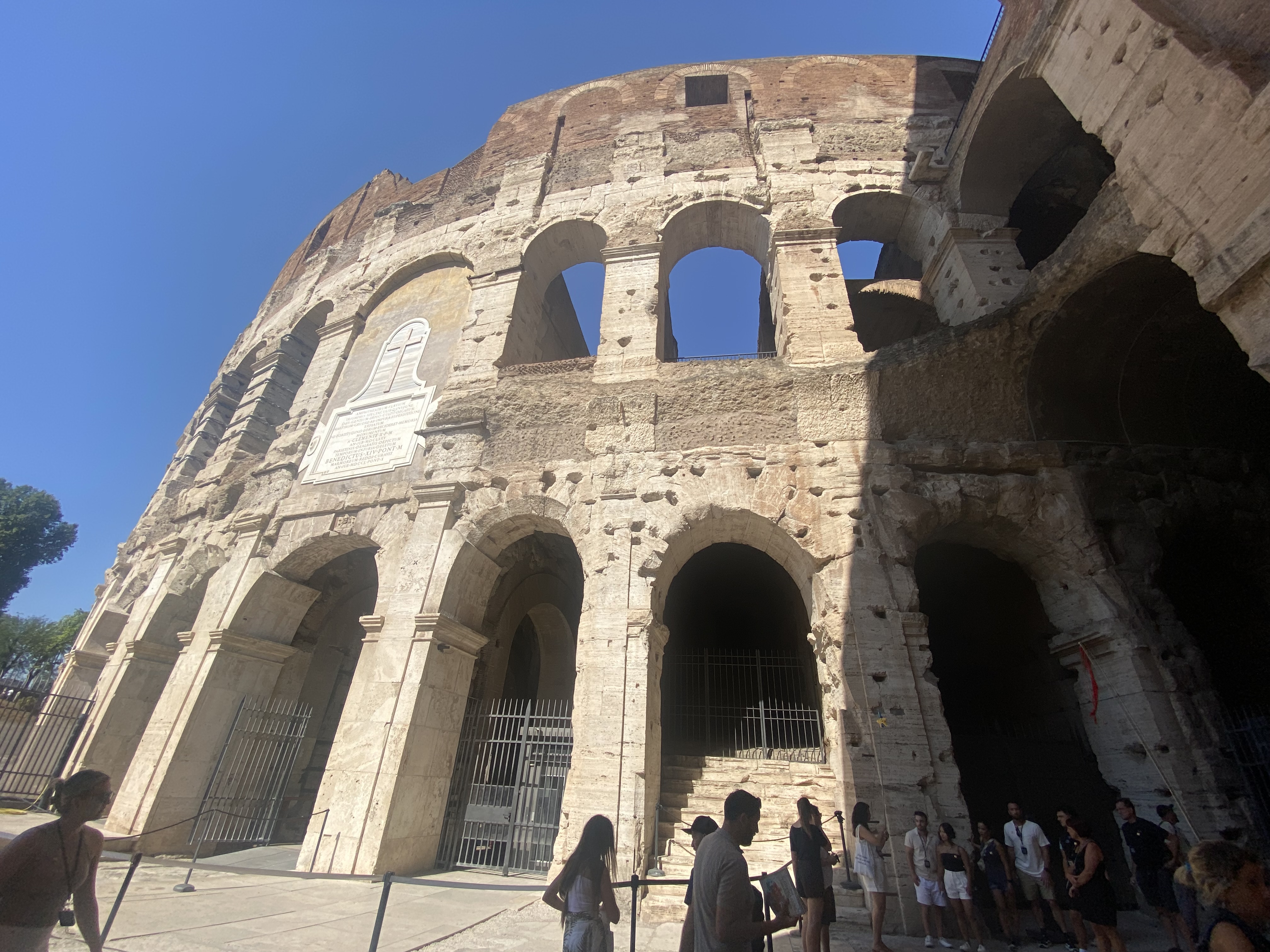
In the center of Rome just east of the Roman Forum stands the Colosseum, the largest ancient amphitheatre ever built, and still the largest standing amphitheatre in the world.
It was built in just eight years, 72-80AD in an area where the disgraced and reviled Emporer Nero had erected his massive golden palace, torn down after his downfall.
The loot Roman armies carried home after their victory in the Judean War financed the building of the Colosseum. So one may say the destruction of the Temple of Jerusalem led to the building of the Colosseum.
Everything outside and inside the Colosseum was covered by marble. Marble that long since has been plundered aka “recycled “.
Originally named Amphitheatrum Flavium, after the Flavian dynasty of Emporers, Roman citizens started calling the arena the Colosseum because of the colossal gold statue of Apollo that stood nearby. This was a repurposed statue, originally erected by Nero depicting himself; but unlike Nero’s palace it wasn’t destroyed, just cosmetically altered to depict the far more popular Apollo instead.
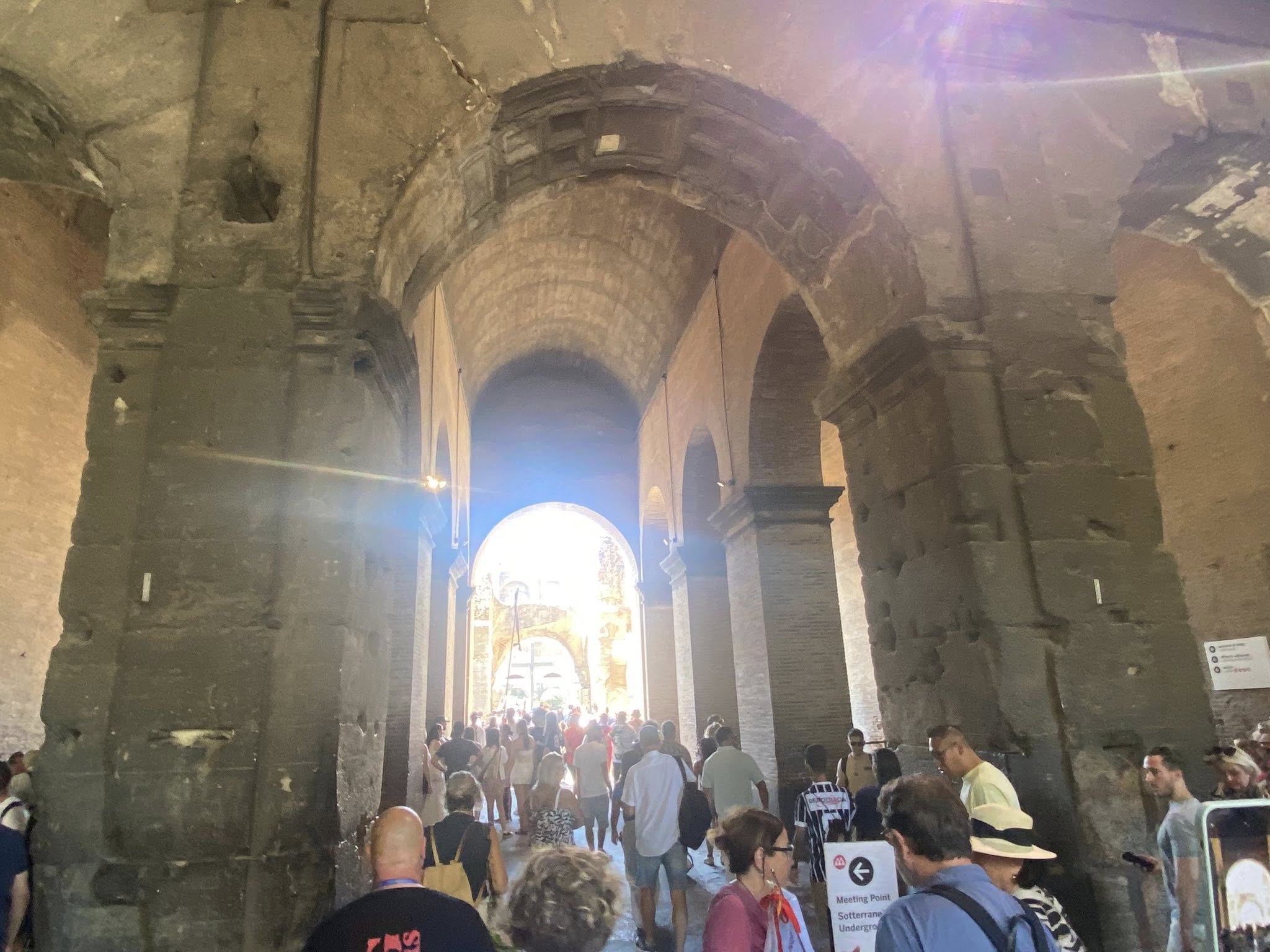
Roman citizens (well, male citizens) had free entry to the Colosseum but sat in specific sections depending on their status.
Three kinds of games were presented in the Colosseum: gladiator fights, wild animals being slaughtered, and executions – some rather imaginative, like one poor soul being flung from great heights into the arena in a staging of the Icarus myth.
Below, the “Loser’s Exit”, where vanquished Gladiators exited the Colosseum and – if still alive – were brought to the sanitarium to be doctored up to fight another day. (Most Gladiators didn’t make it past 25.)
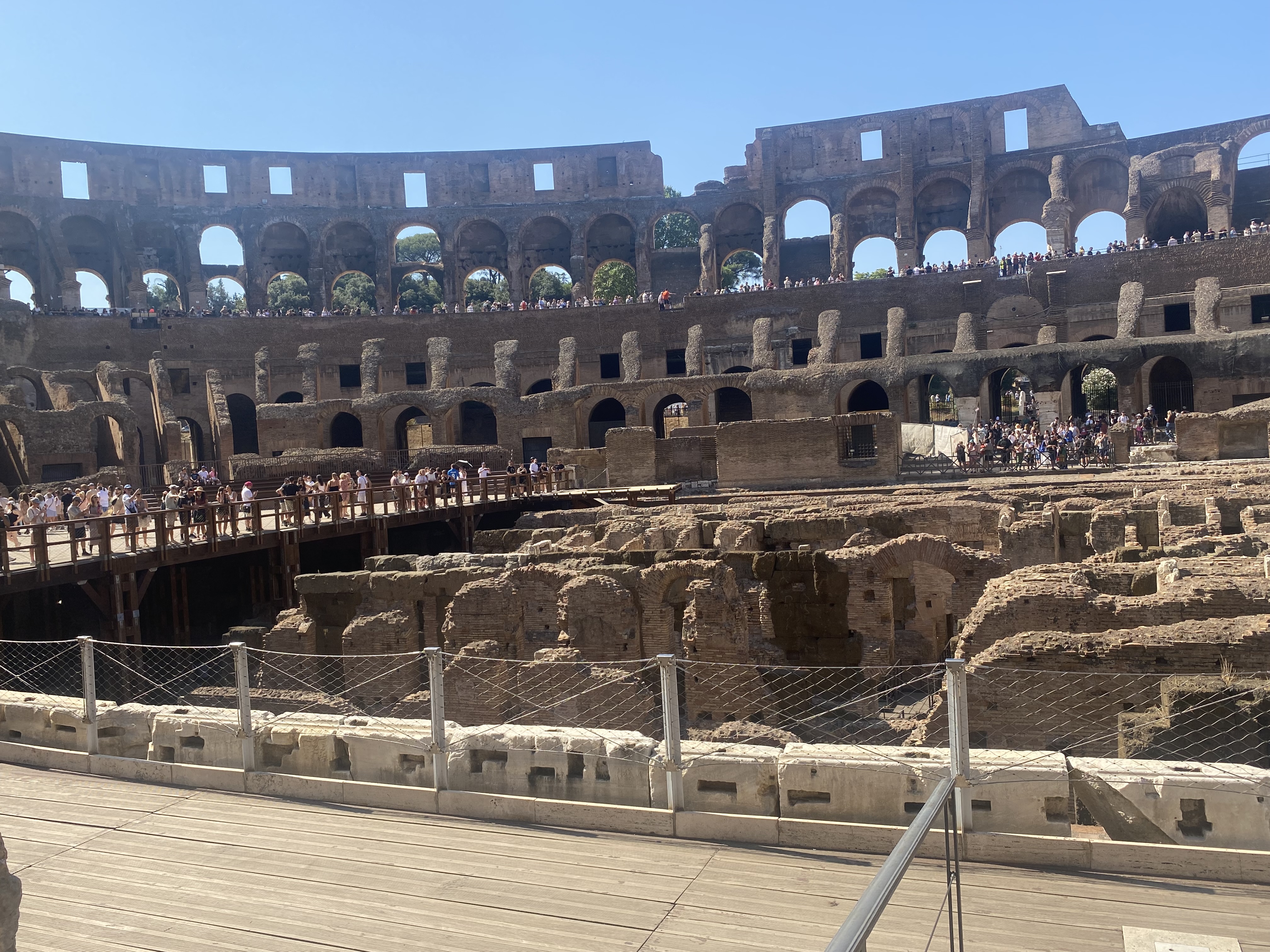
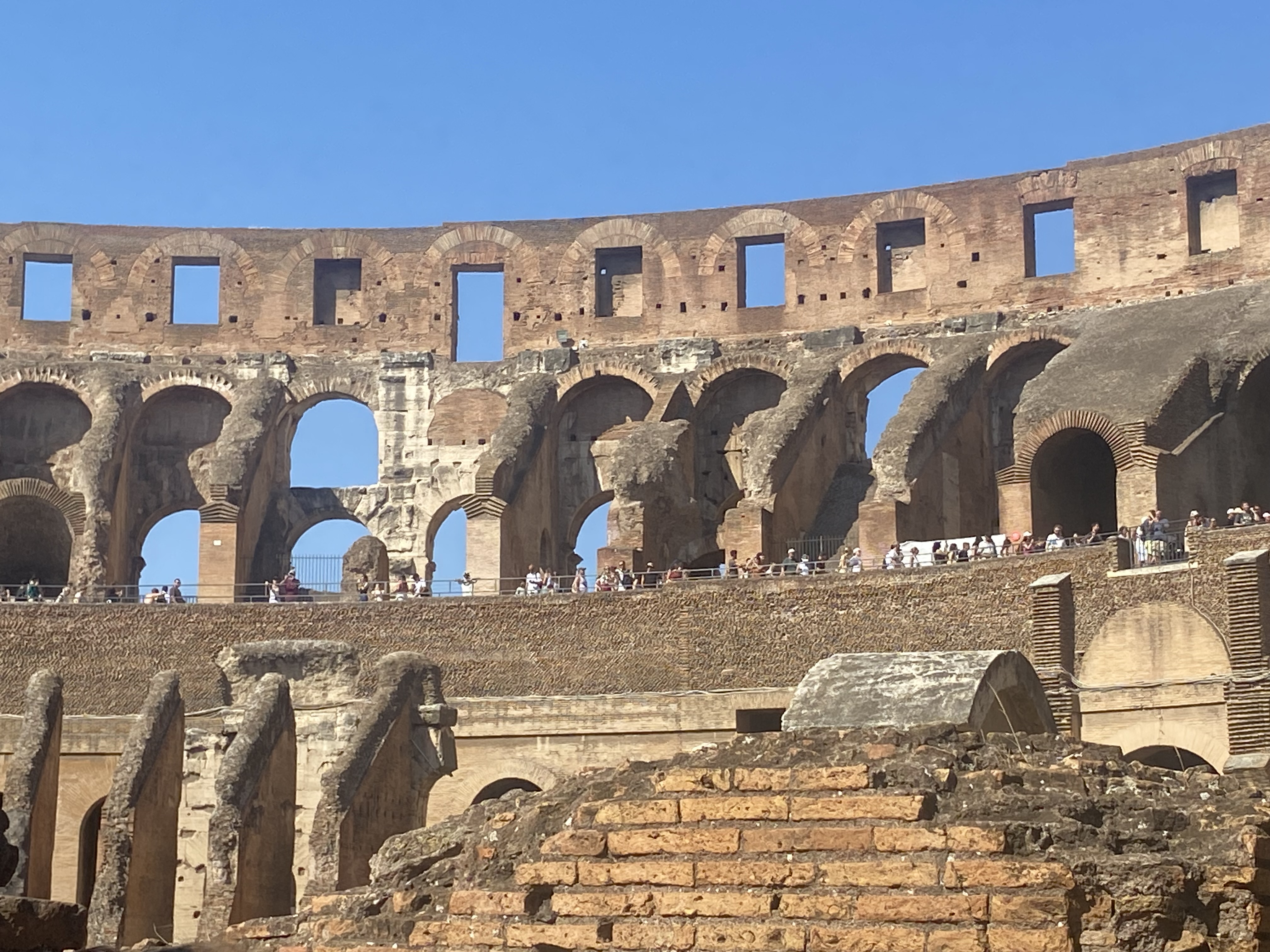
Views from an mid-level gallery.
Below the arena lay an underground complex – three stories high – where wild animals and gladiators took their place before being raised into the arena via 18 separate elevators.
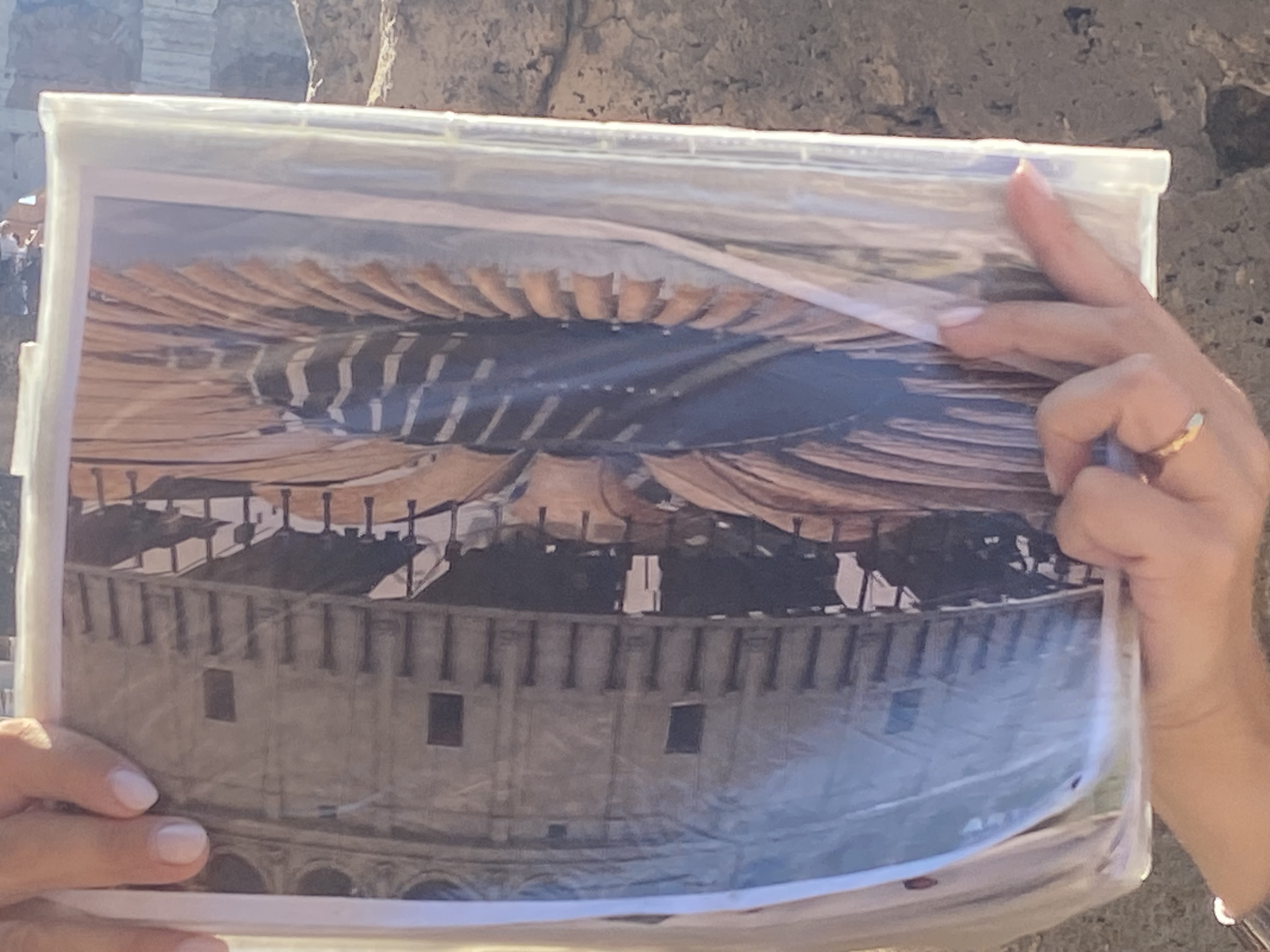
Experienced sailors managed the complicated “awning” system that gave shade on hot sunny days.


































































 Notes from a Composer