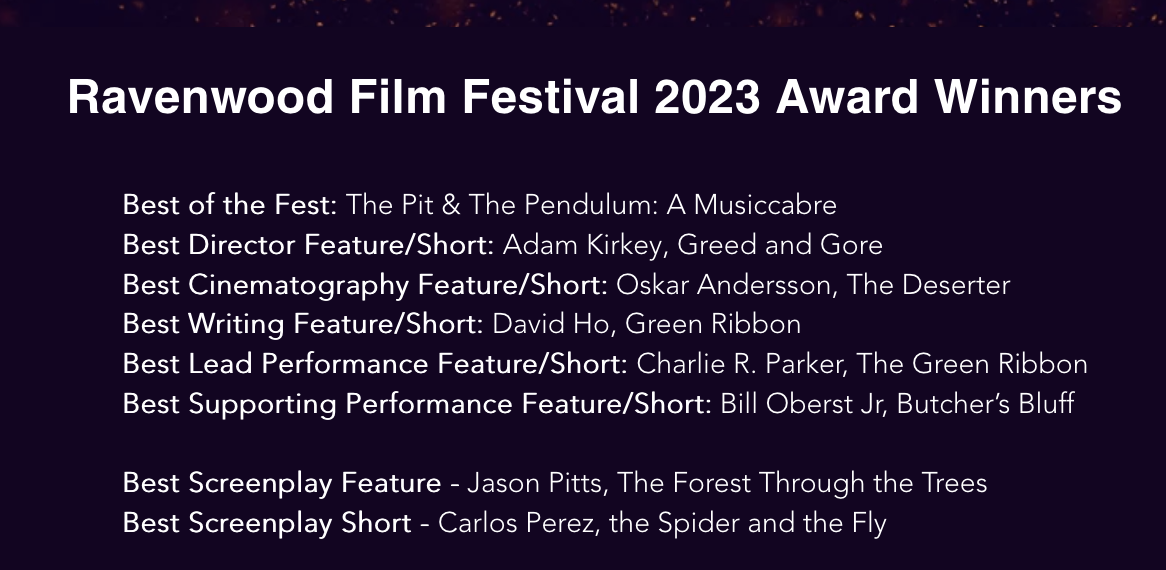

The FFTG Awards have been announced and “The Pit and the Pendulum – a musicabre” was nominated for six awards and won one, for my husband Edward Elder for Best Supporting Actor!
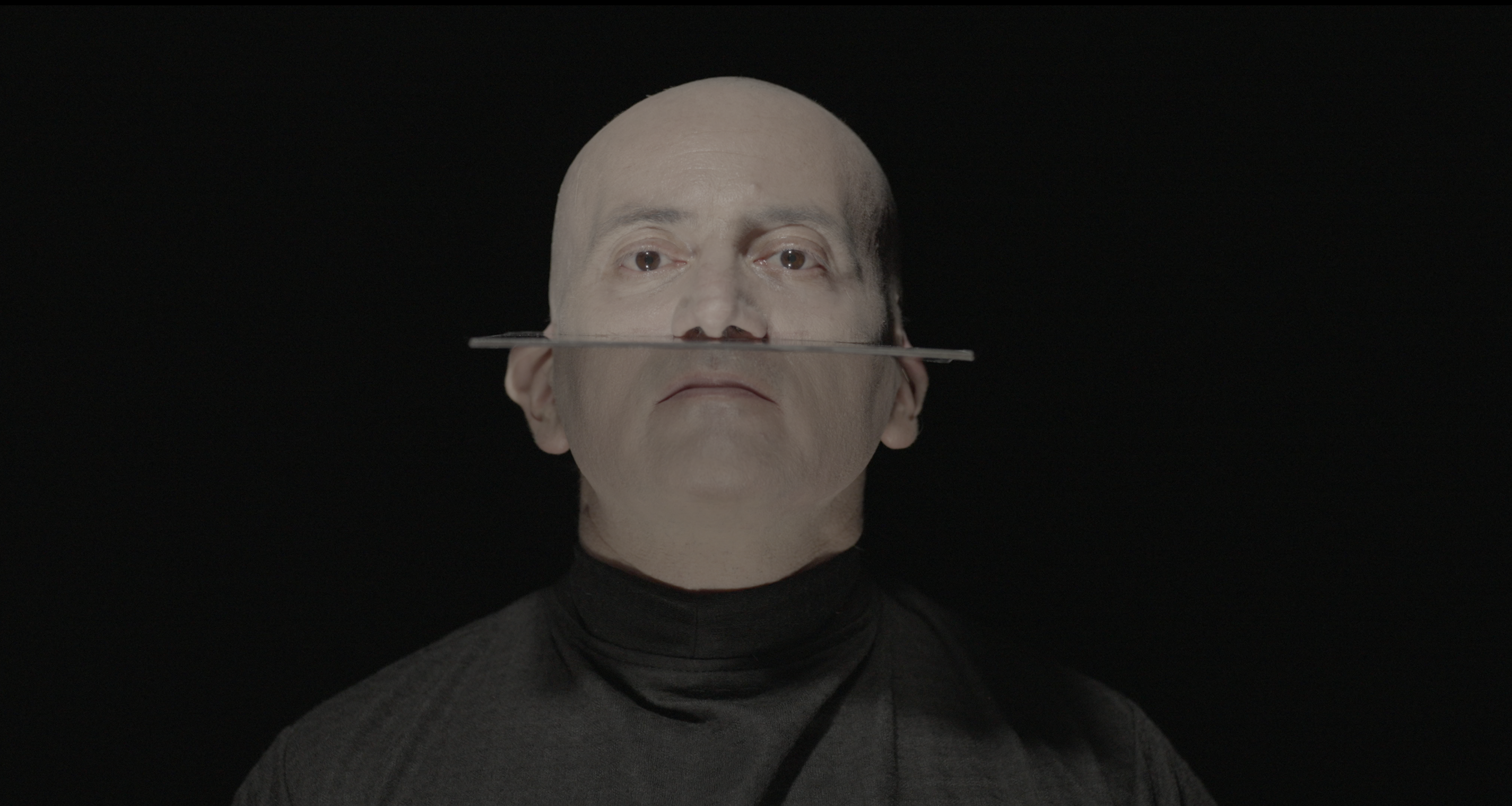
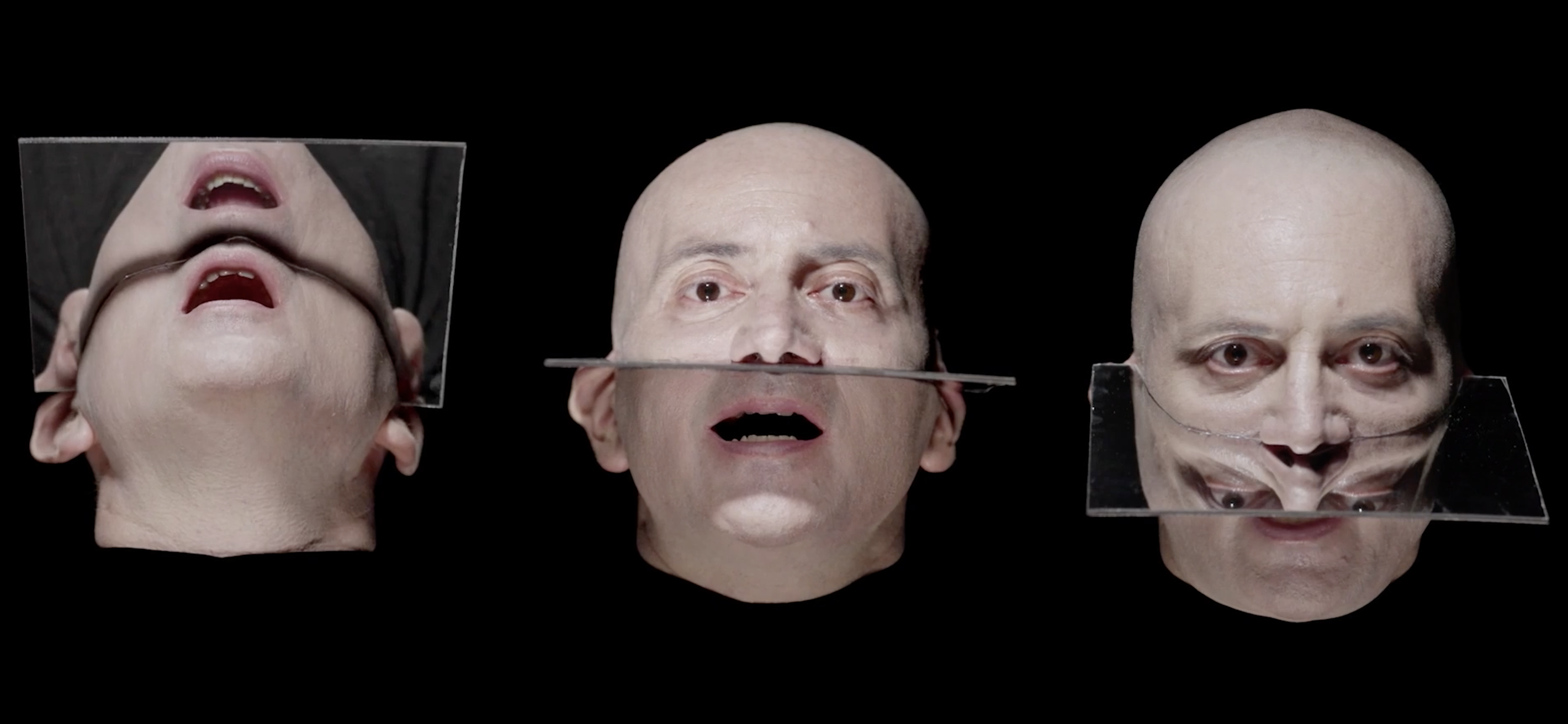
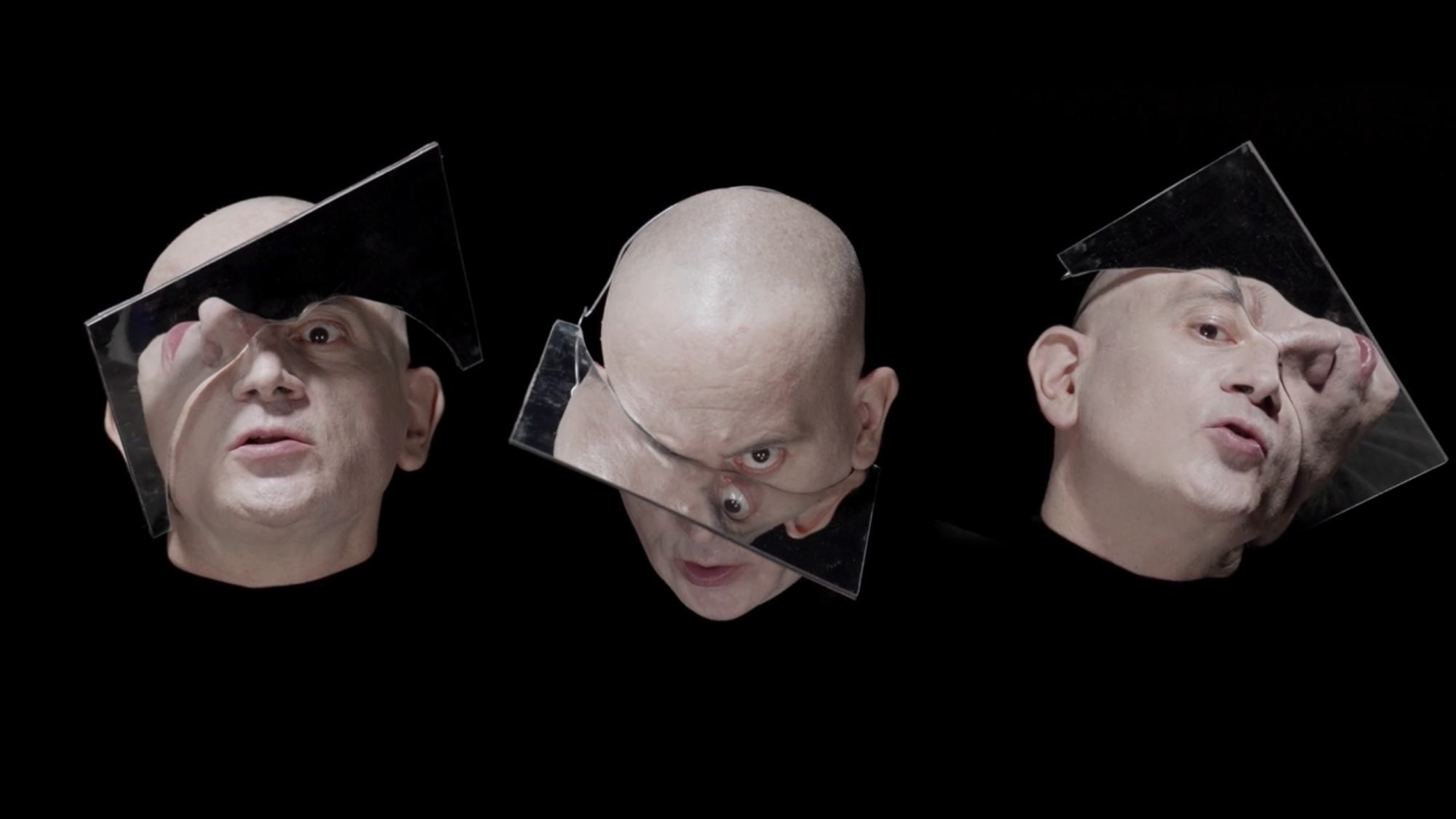
The FFTG Awards announced the nominees and winners on their Instagram page in a series of reels, from which I took these screenshots.

“The Pit and the Pendulum – a musicabre” was nominated for Best Background Music, Best Post Production, Best Cinematography, Best Actor, Best Supporting Actor and Best Film – Musical.



For this category they named the actual nominee, Jason Chua:

Note the spelling of cinematographer…
I’m happy to have been cited as a nominee for Best Actor…


But I am honestly most tickled for Ed’s nomination and win!

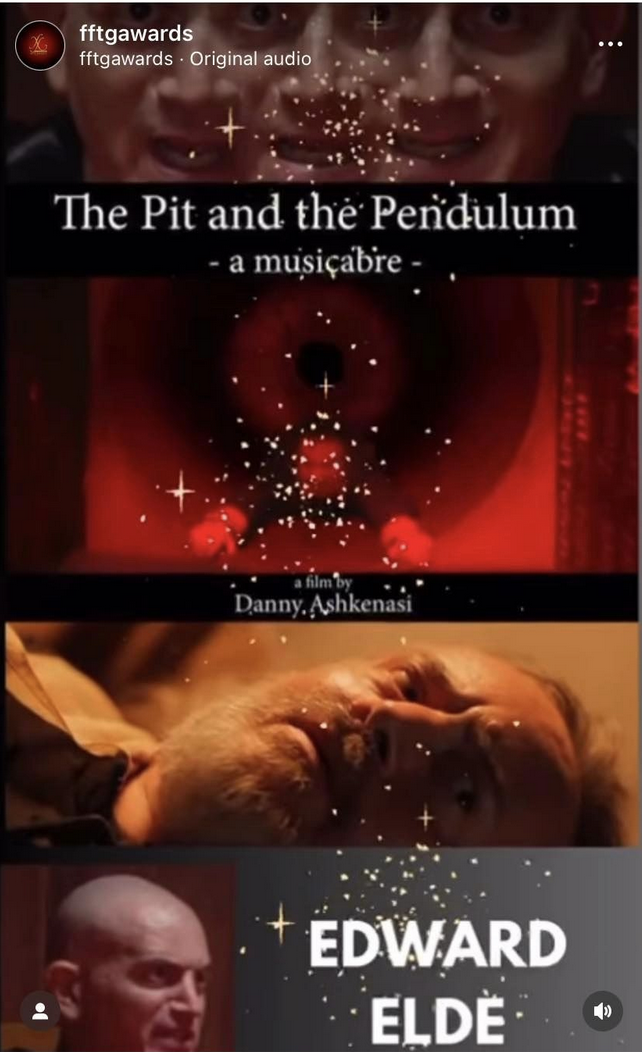
Also tickled that the winner gets sparkly animation over their card on the FFTG announcement reels.
Less tickled that they forgot the final “r” in Ed’s name. Maybe because his supporting actor turn is so short? He’s on screen for about 17 seconds.
An award for a 17 second performance! That’s gotta be some sort of record!
Also noticed that instead of posting a picture of Edward next to his name, FFTG Awards used a picture of me in my secondary role as one of the judges of the Inquisition … ??? … !!! …
UPDATE: FFTG has this to say on their Twitter Supporting Actor post:

Winner: Edward Elde (sic) for “The Pit and the Pendulum – a musicabre.” Playing the Rescuer, Edward Elde’s (sic) performance in this musical adaptation of Poe’s classic story stands out for its intensity and depth, contributing significantly to the film’s chilling atmosphere.
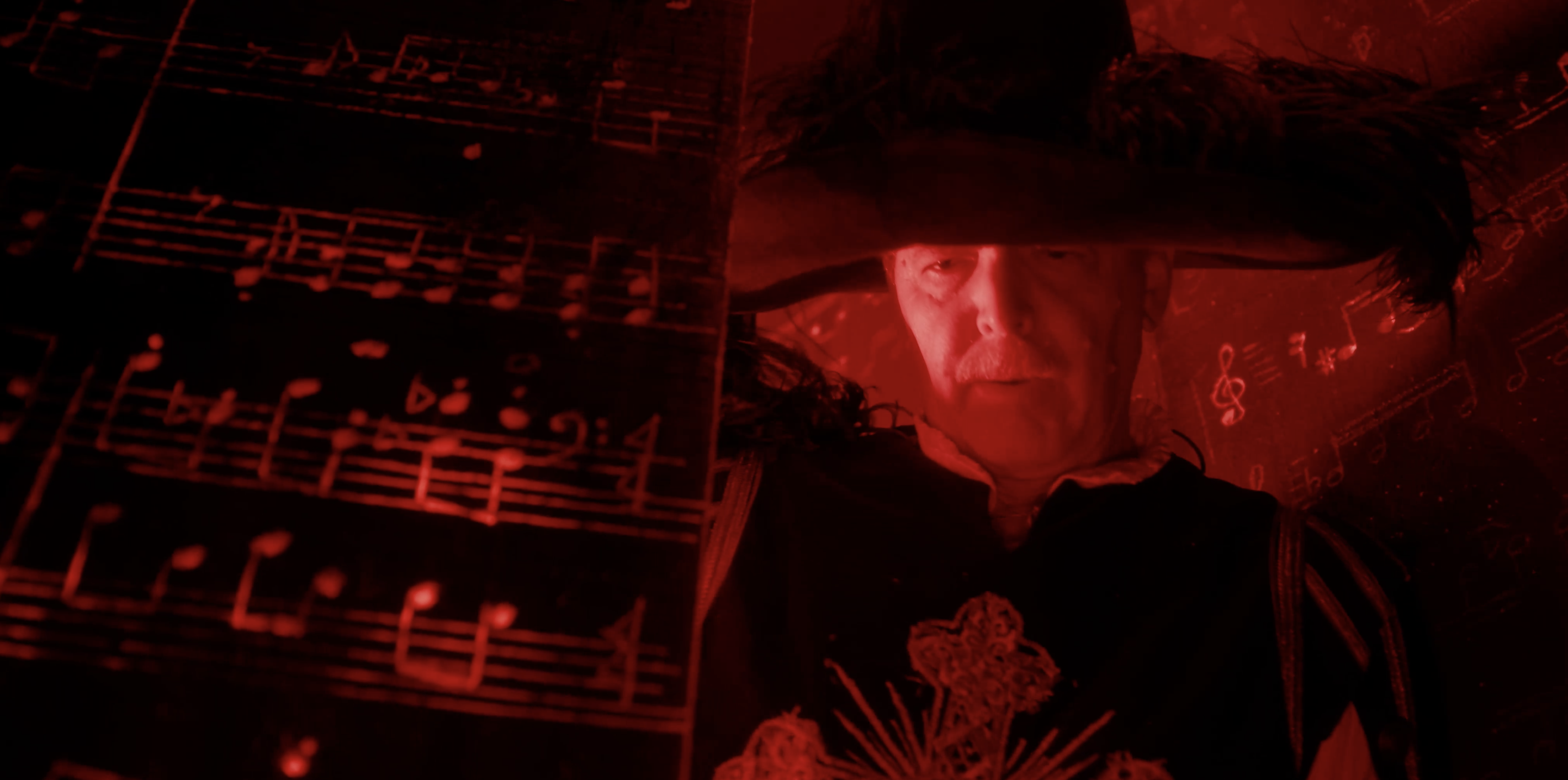

For our final nomination FFTG seemed to be under the impression my brother David deserves the citation, even though they still showed the picture of me…

UPDATE 2: The FFTG Nom and Win certificates have arrived (and at my request, they spelled Ed’s name correctly, yeah!):
Continue reading