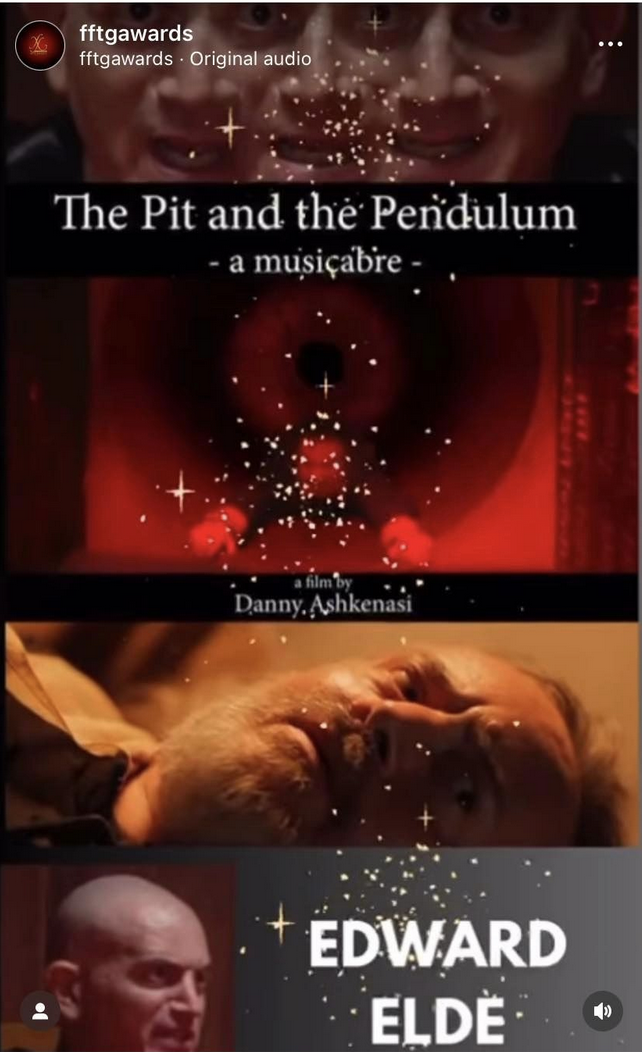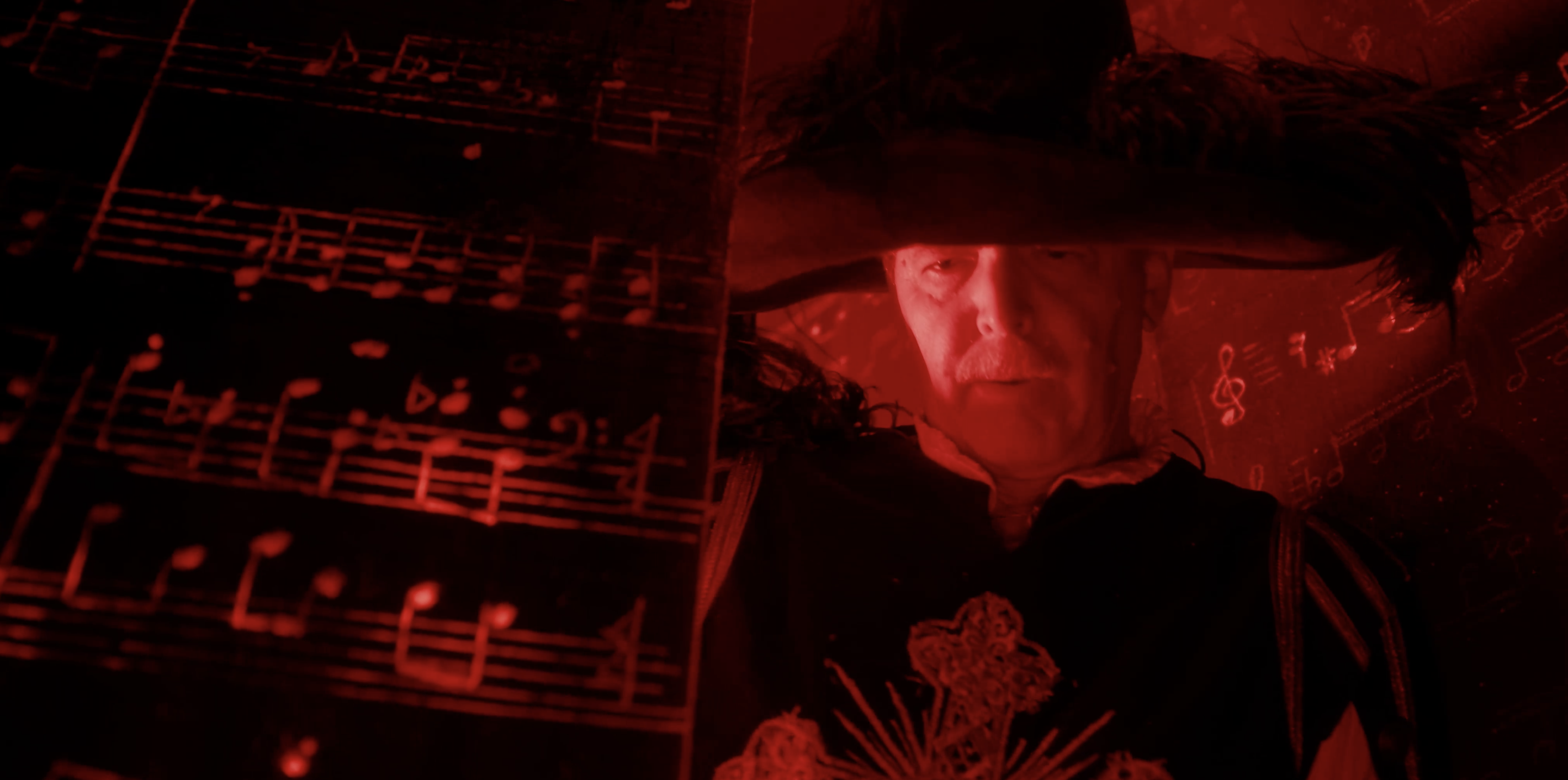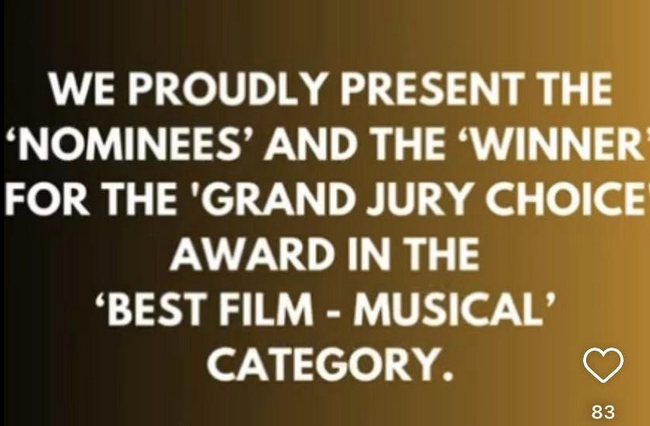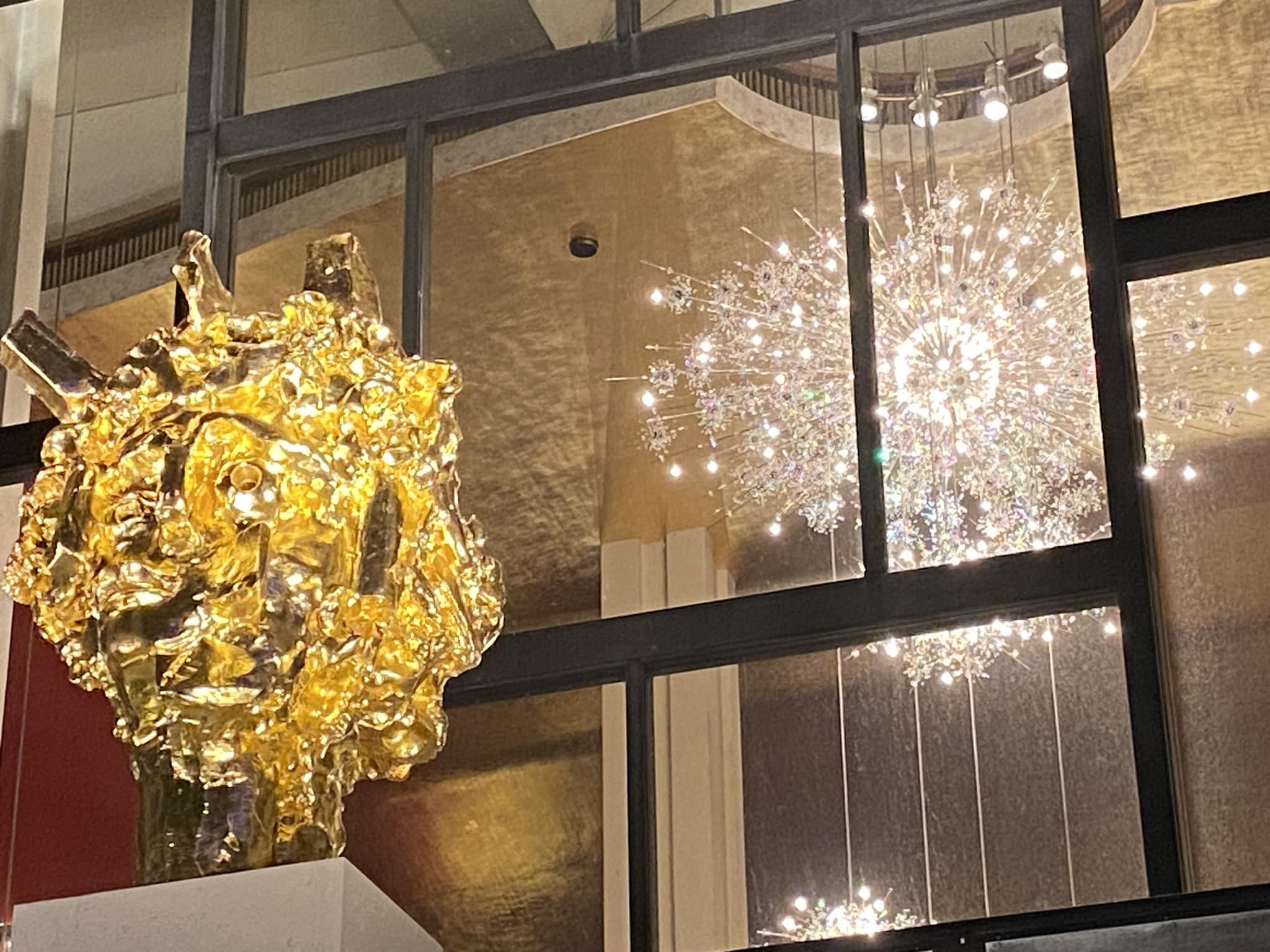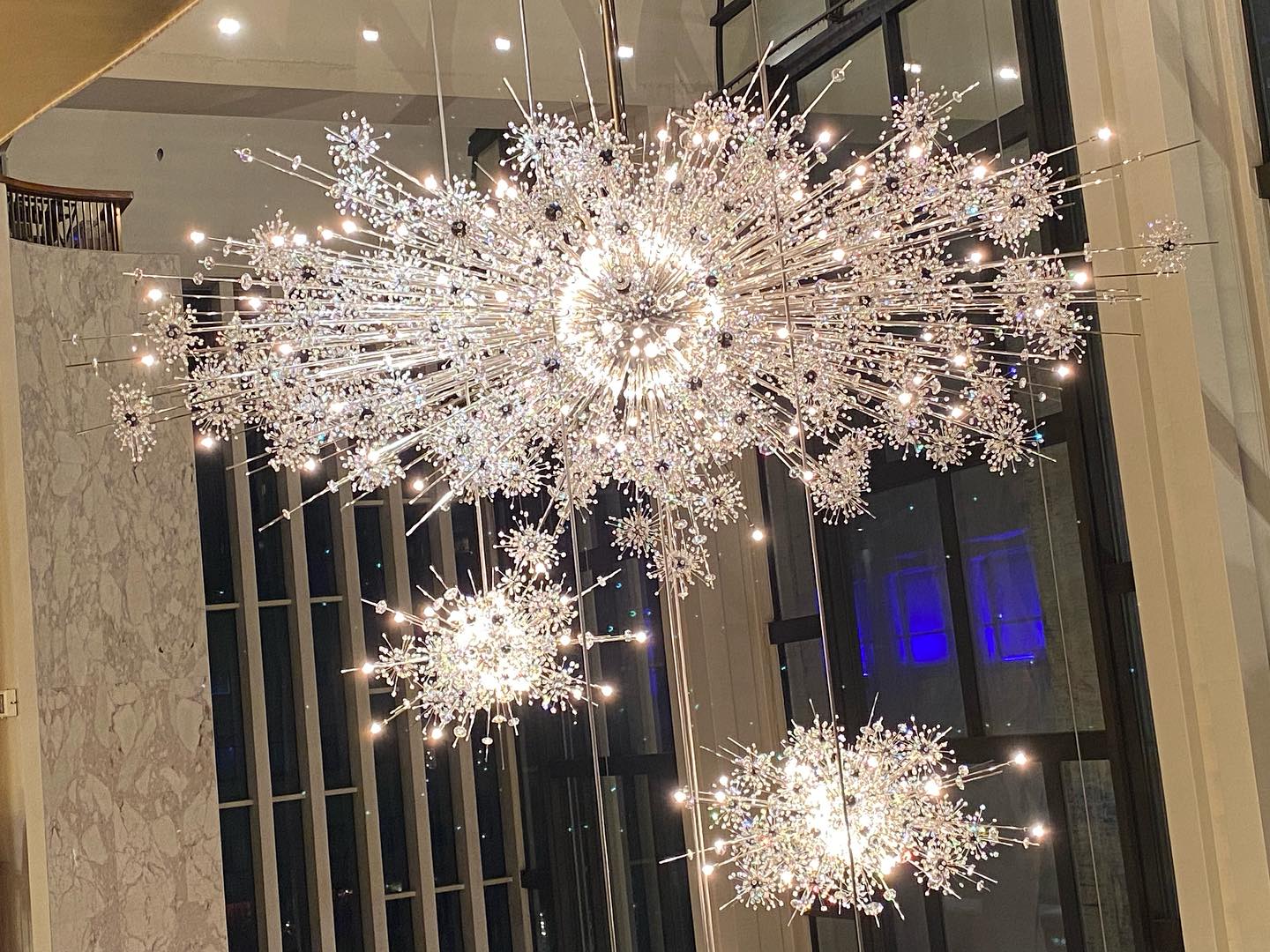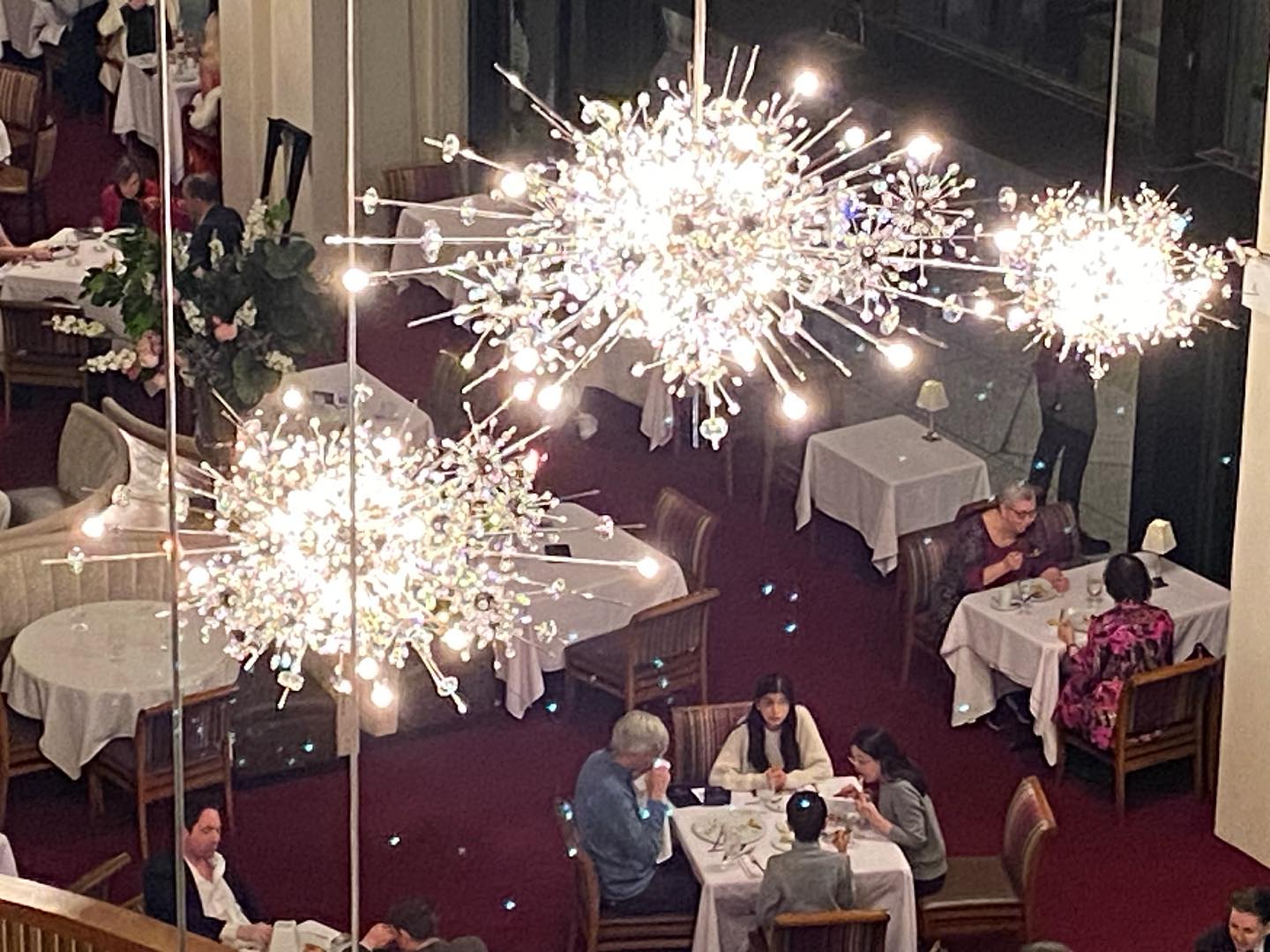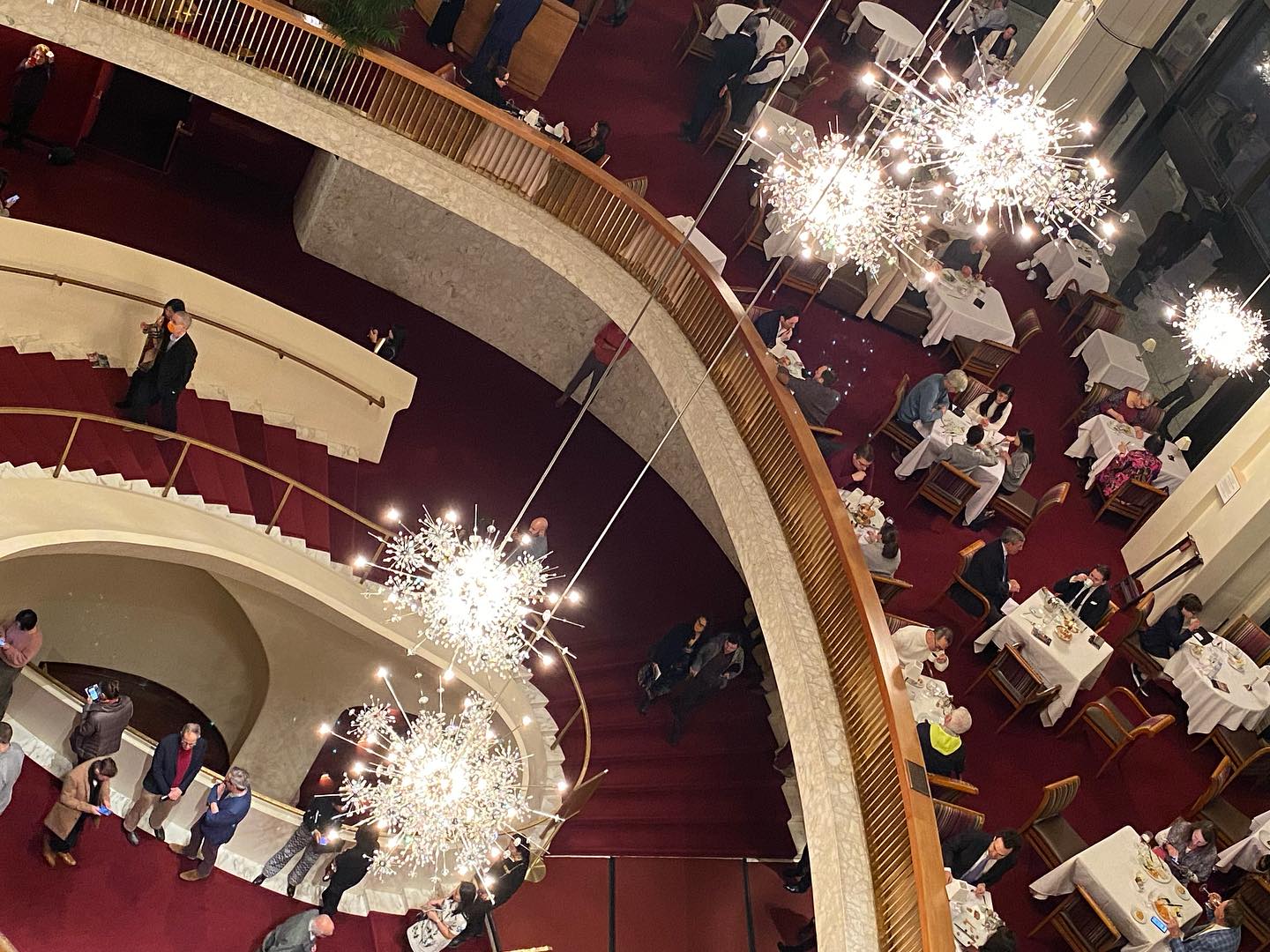
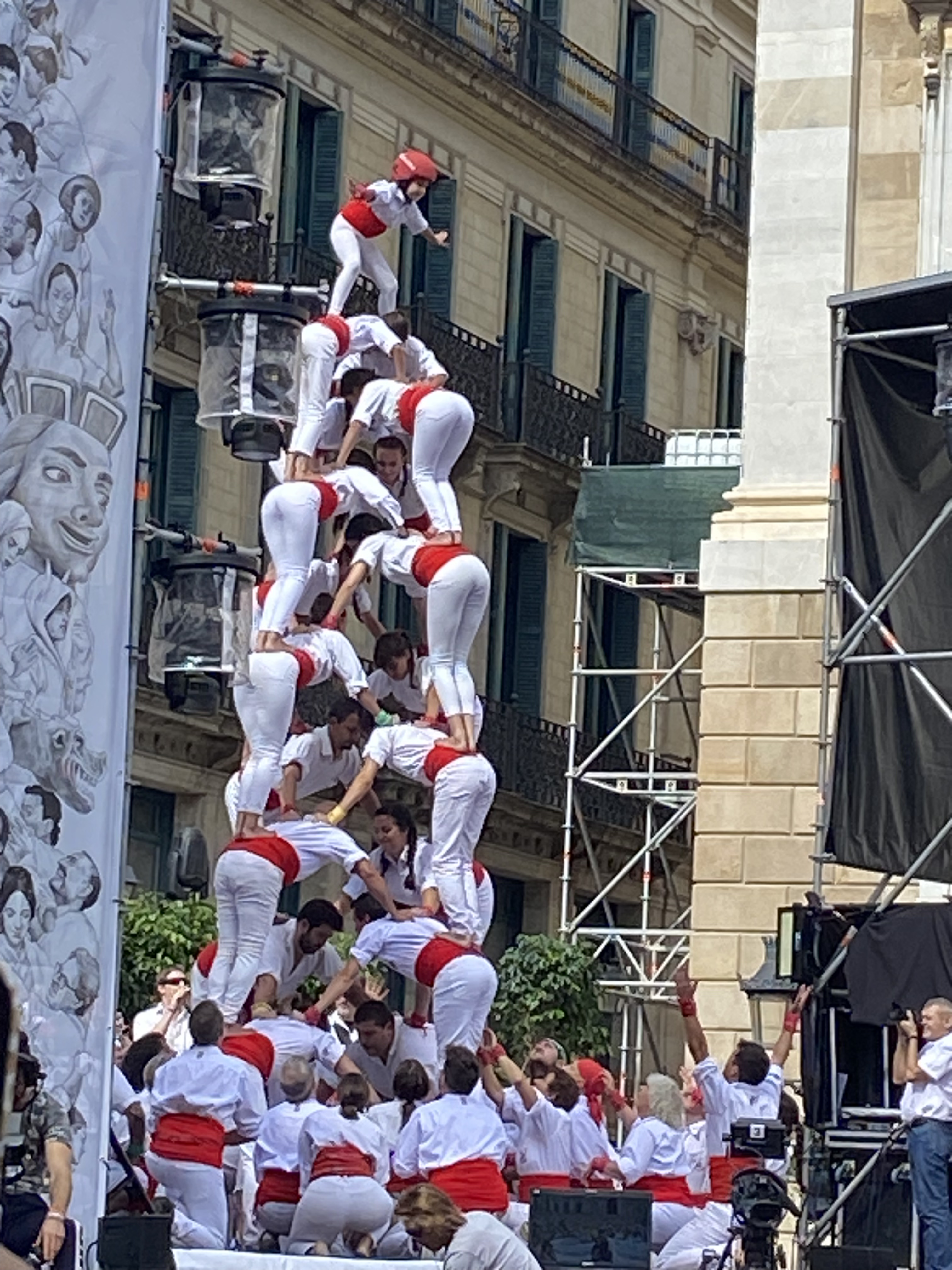
Ed and I arrived early at the Dolby Theater on 6th avenue and 55th street.
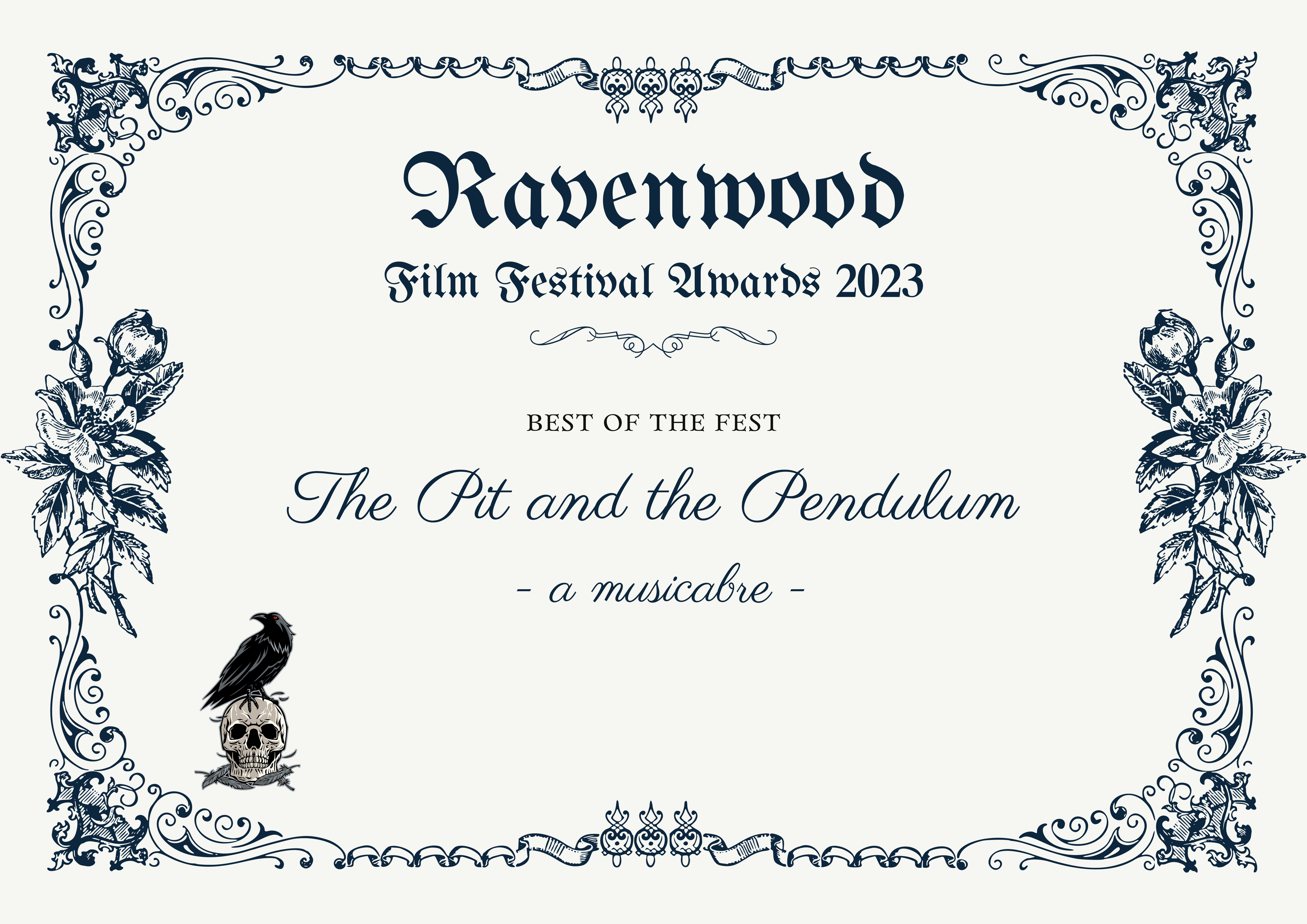
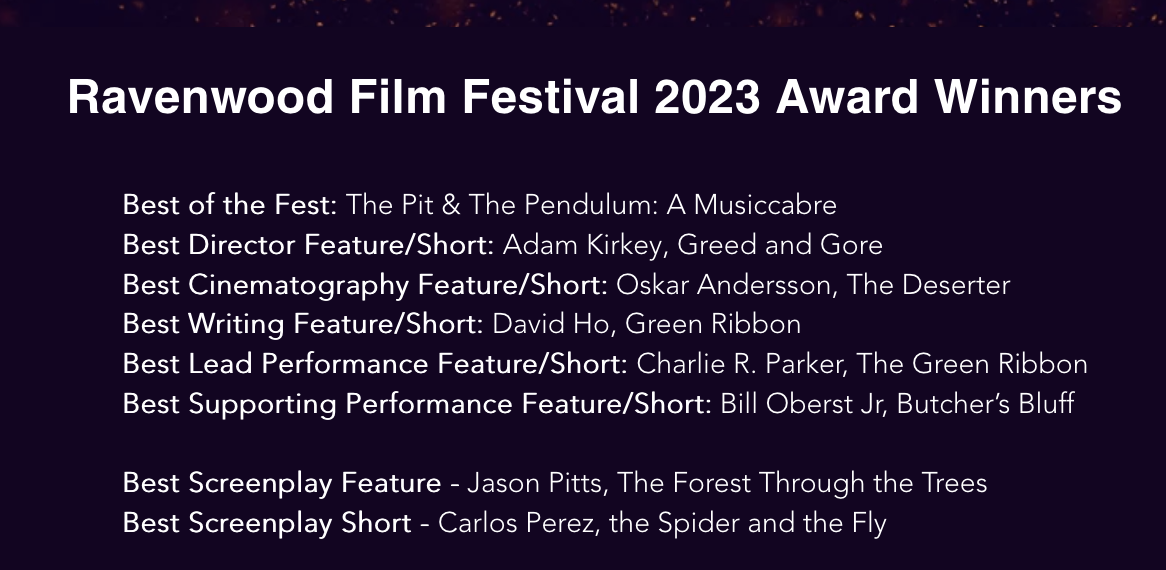
Joining us were Stolis and Christine Hadjicharloambous. Stolis edited both “The Pit and the Pendulum – a musicabre” (and therefore nominated tonight) and my first short film”The Tell-Tale Heart – a musicabre“, also a (breath intake) short film musical adaptation of a classic Edgar Allan Poe story.
UPDATE: P2S just sent me some pics from their official photographer:
In Depth Q&A about “The Pit and the Pendulum – a musicabre”
at the LA Indie FilmFest
After the well-received screening of my musical short film adaptation of Edgar Allan Poe’s “The Pit and the Pendulum – a musicabre” at the LA Indie FilmFest October 13, the moderator (whose name I misplaced, sorry) did a lengthy Q&A with me and cinematographer Alexander Chinnici from the short film “Trying”. Fellow L’HIFF filmmaker Erin Carrere started filming when the attention turned to me (sorry, Alex). Here are some clips from the Q&A in bite size pieces.
We start with how “The Pit and the Pendulum – a musicabre” evolved from my having first done “The Tell-Tale Heart – a musicabre’, and that first as a theater piece.
And how at one screening at least one audience member – to my horror- didn’t realize the protagonist and the judges were (played by) one and the same person.
2. Then we talked about turning the character visually and musically into a “cubistic experiment”; and I praised the sound system in the theater.
3. The moderator calls the film “every nightmare I’ve ever had in my life, done in such a beautiful way”.
Then I talk about the differences between “Tell-Tale” and “P&P”, first the differing festival journeys, but then also the filmmaking approach, partly in response to some individuals thinking of “Tell-Tale” (unfairly) “merely” as a “filmed theater piece”.
4. “Take this as a compliment: it was maddening, like in a wonderful way.”
We start getting into major spoiler territory here about the ending of P&P… as well as how my husband Ed is becoming my “Alfred Hitchcock cameo”.
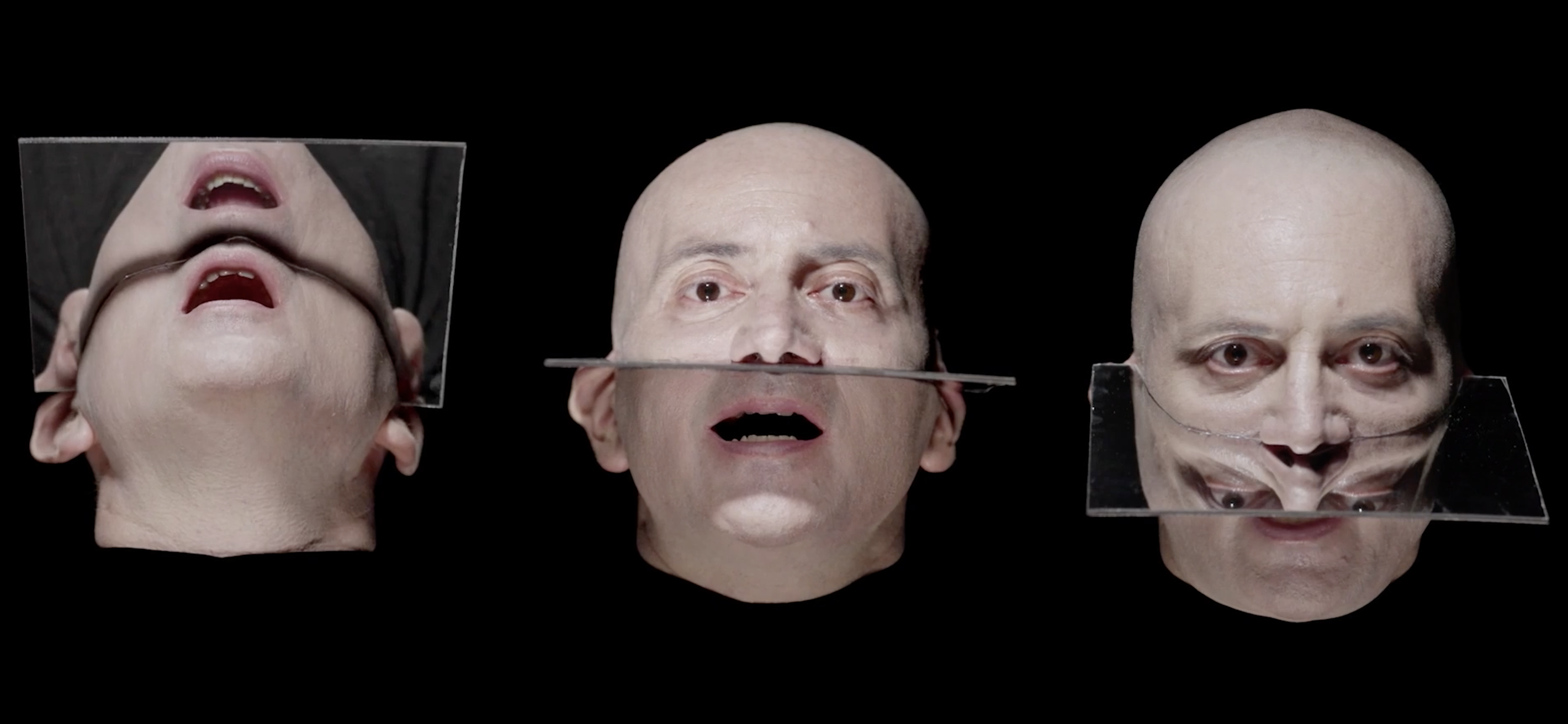
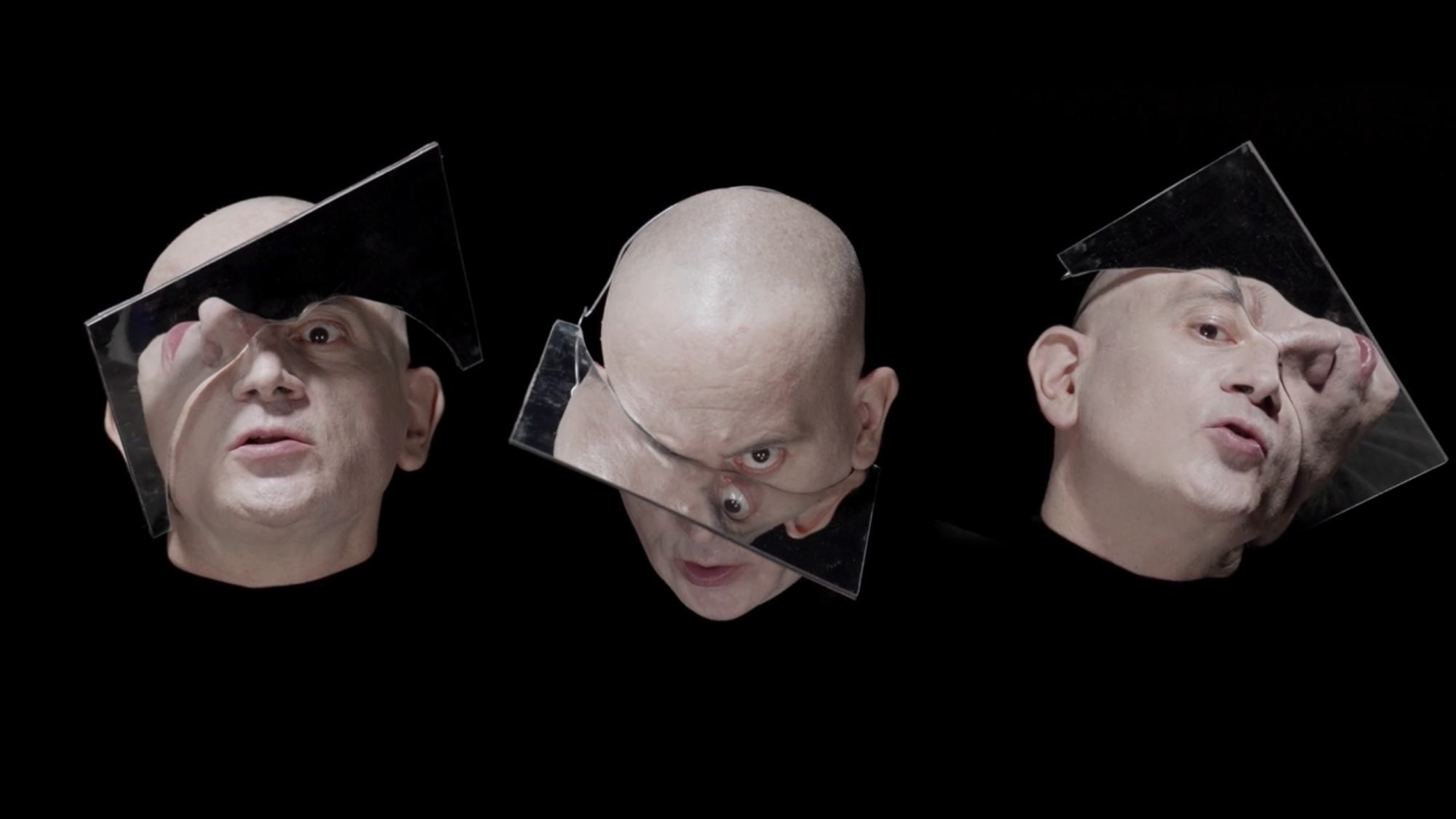
5. All about the mirror masks: conceiving them, designing them, practicing with them in pre-production, the mishaps on set that almost ruined the final mirror mask section, the post-production work putting together the final images. I’ll post a blog piece on this with lots of pics eventually, but this is a relatively thorough oral history.
6. Next, and this may be considered “spoilery” we talk about performing as the judges, specifically filming their final moment – pictured here:
7. We talk about the editing plan, and what was shot and edited according to a plan set in pre-production (a lot), and what was discovered on set or in post-production. I also talk about working with the miniature “pendulum”, and how we found we had to set up a second unit just to film all those miniature shots over 2 1/2 days. And my joy on set in discovering that this particular, most tricky miniature shot would be achievable:
LA Indie Film Fest is screening my musical Edgar Allan Poe adaptation this Friday, October 13th, at 7:30pm at The Other Space, 916 N. Formosa Ave. in Los Angeles.
I will be there for the Q&A. If you’re in LA, I hope to see you there!
“The Pit and the Pendulum – a musicabre” won the award for Best Music at last night’s awards ceremony of the Haunted House FearFest at the Midnight Theater in New York City.
Here is a video of my acceptance speech:
In addition to Best Music, my musical Edgar Allan Poe adaptation was also nominated for Best Horror Short, Best Actor in a Drama and Best Ensemble Cast.
Haunted House Fearfest is showing “The Pit and the Pendulum – a musicabre” as part of its Virtual Screenings through October 31st.
“The Pit and the Pendulum – a musicabre” screens Thursday in the antikyno in Hamburg
Schocktober is being celebrated at the independent cinema antikyno in Hamburg, Germany. And this Thursday, October 5, at 7pm they are scheduling their shortfilm-slam Horror edition, including yours truly’s musical Edgar Allan Poe adaptation “The Pit and the Pendulum – a musicabre“.
The short that garners the biggest audience applause at the end of the evening wins the prize, so if you happen to be in Hamburg this Thursday, drop by the antikyno in the Neue Straße 35a and cheer my musicabre on.
The German radio station Deutschlandfunk has posted a 55 minute program interviewing the opera soprano Catherine Gayer, and playing excerpts from her fantastic 60+ year career, highlighting her work with contemporary music.
That she has perfect pitch makes it easy for her to sing the latest and most modern music. Arriving in Berlin 1960 from Los Angeles, Catherine Gayer sang the female lead in the World Premiere of Luigi Nono’s “Intolleranza” in 1961. Unforgettable are her concert programs with Aribert Reimann.
The program is in German. I’ll summarize it in English here:
The Soprano Catherine Gayer
“It Becomes a Part of Me, because I Sang It.”
interviewed by Walter-Wolfgang Sparrer
00:00 – 02:07 Introduction and excerpt from Stravinsky’s “Les Noces”, who was 87 and present at this performance.
02:08 – 03:09 Mom reminisces about rehearsing in Stravinsky’s home in the Hollywood Hills when she was a young singer in the 1950s.
03:10 – 04:05 About working with Leonard Stein and Arnold Schoenberg in LA. Mom sang much Schoenberg (incl. “Erwartung” and “Pierrot Lunaire”) in her career.
04:06 – 06:18 Performance of an early Schoenberg song.
06:19 – 07:52 About Mom’s association and friendship with Leonard Stein, who published Schoenberg’s Brettl songs (and other works) after Schoenberg’s death.
07:53 – 09:16 Schoenberg’s “Nachtwandler”, performed 1973 at the Edinburgh Festival
09:17 – 10:03 Leonard Stein had been Schoenberg’s student; later he was Mom’s professor at UCLA, and upon discovering she had perfect pitch, introduced her to the music of Schoenberg, Webern and Berg
10:04 – 11:05 Excerpt from Albern Berg’s Opera “Lulu” (recorded 1962)
11:06 – 13:12 Mom speaks about how Berg’s music is romantic as well as modern; and how she sang 4 Berg songs for Shostakovich when he visited LA.
13:13 – 14:16 An early Berg song (1907)
14:17 – 15:52 The same poem set by Berg in 1927 (12 tone technique).
15:53 – 17:08 An early Webern song, one of the first in 12 tone.
“The Pit and the Pendulum – a musicabre” wins Best Experimental Short Film at the Love and Hope International Film Festival in Beautiful Barcelona
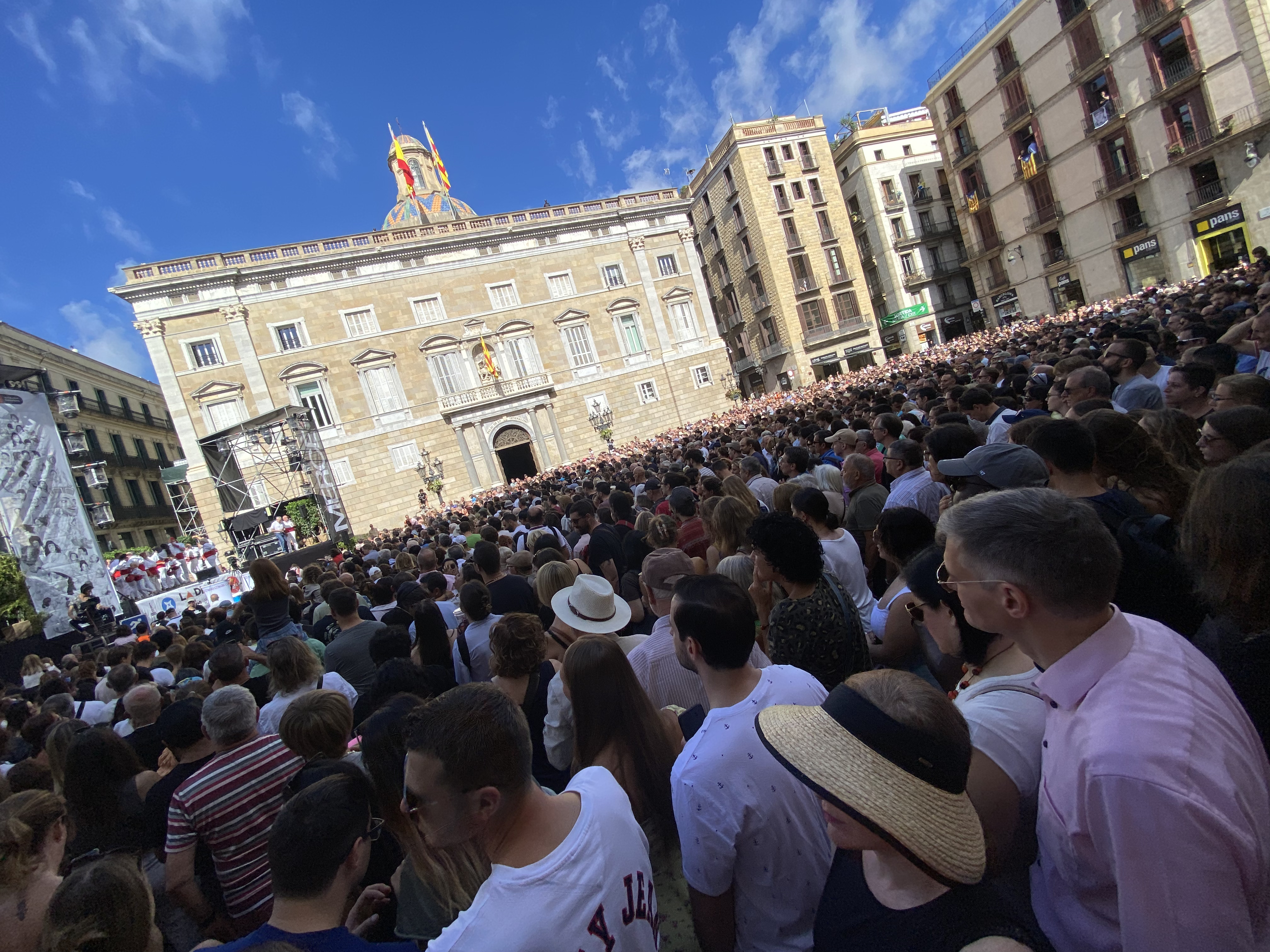
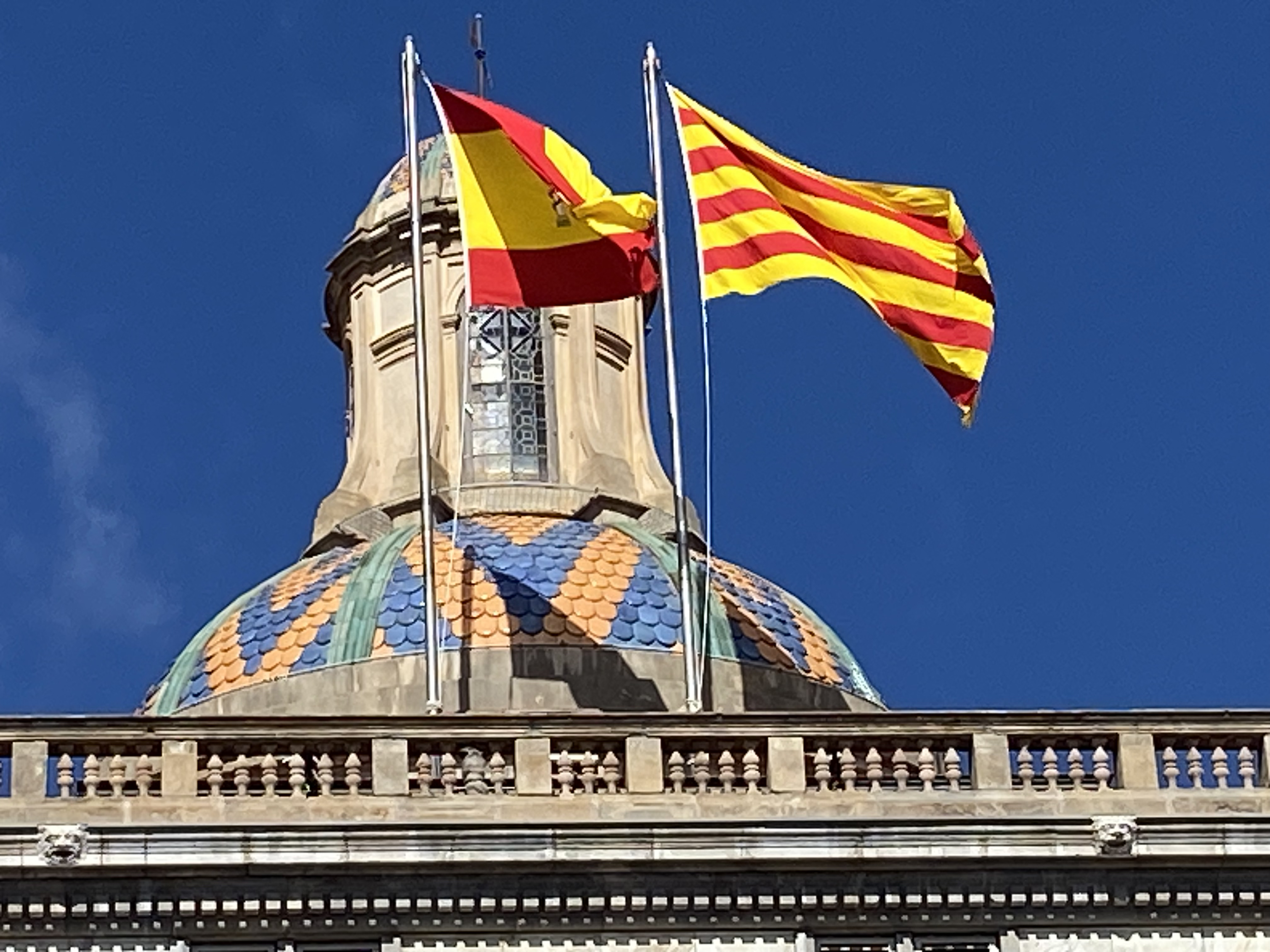
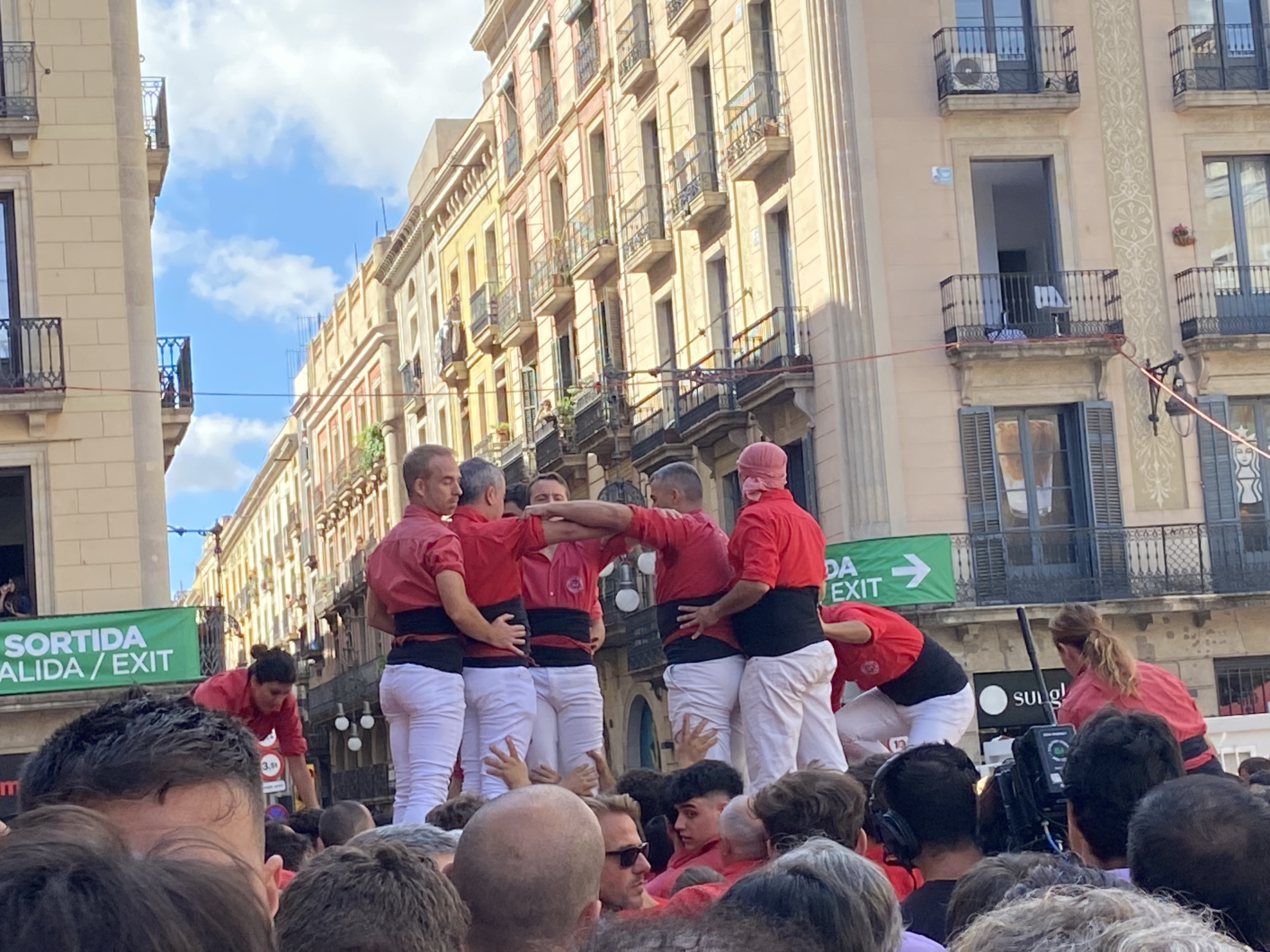
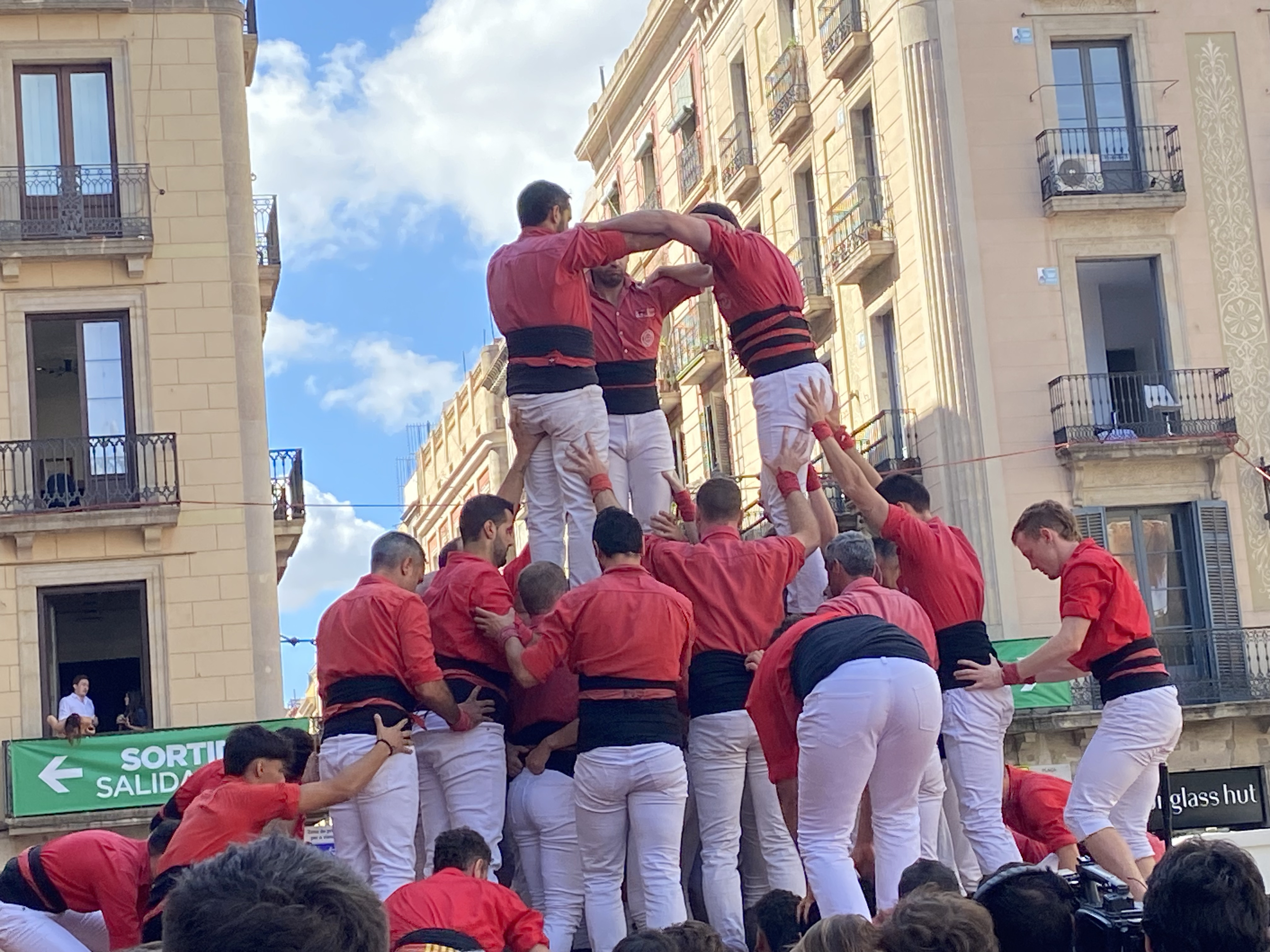
Above is a video of my acceptance speech upon winning Best Experimental Short Film at the end of a wonderful week participating in the Love and Hope International Film Festival in the fabulous city of Barcelona. I’ll be sharing some impressions of the city and the festival in this post.
Above a characteristic street/alley in Barcelona’s Gothic Quarter, where Ed and I stayed and where the Cinema Maldà – the theater where the festival program screened – is located.
Our first evening out, making our way to the cinema, Ed and I got soaked in a massive downpour. Luckily, even though unceasing precipitation was initially forecast for most of the following week, that deluge would be the end of the rain in Spain for us. Good weather beat the meteorological odds, and we had blue skies for almost all the rest of our stay.
I just adore the Gothic Quarter. I can’t get enough of these narrow streets flanked closely by four story buildings.
It’s not all narrow alleyways in the Gothic Quarter. There are also plenty of plazas and outdoor markets, cafes and (tapas) restaurants and churches.
Plaça de George Orwell
So much more of Barcelona still to show off… but for now let’s join Ed and me Saturday 9/16 at the first full day of L’HIFF screenings, a day after the festival opening night events.
Alt Title: The Day the Hair Got Snipped, Shorn and Shaved Off!
The announcement, take one (with AD Charlotte Purser):
Day 9 in the 10 days shooting “The Pit and the Pendulum – a musicabre” was fully devoted to the court room scene. The Protagonist is brought before the Inquisition and the Judges sentence him to death. Edgar Allan Poe in his short story doesn’t so much describe the scene as has his Protagonist remember that it happened while languishing in his light-less cell. My musical short story enacts the arrest and trial in a musical Prolog.
Above are the three Judges of the Inquisition. You only need to watch the film’s trailer to know that when the Judges take off their hoods to reveal themselves, the Protagonist is faced with yet another horrific surprise (worse even than a death sentence? – I’ll leave that up for debate).
The Judges are also the Protagonist, but without the beard and full head of hair. Bald alter-egos stare back at the hero. He is condemned by himself in triplicate.
So while we could employ doubles to play the Judges when hoods mostly cover their faces, once the Judges reveal their visages, it had to be me, hairless. VFX would be needed to put me in frame in triplicate. But since my hair and beard were real, and could only be shaved off once, the court room scene had to be scheduled after all the other scenes with the Protagonist had been shot. Which explains why the courtroom scene was scheduled for the penultimate shooting day. Also all the Protagonist shots in the courtroom had to be covered in the first half of the day. We had to make sure we needed no more hairy Protagonist shots before sending me to scissor town and razor city.
Once the hair had to come off I would shoot my Judges shots.
The Announcement, take two (not as fun, but better hair exposure):
Yes, you guessed it. We made sure to fully document the process of turning me from hirsute to baby’s bottom.
Enjoy the video footage and choice pics – and some insight behind the scenes of the filming of “The Pit and the Pendulum – a musicabre” as my colleagues and I talk hair as well as the work at hand, plus some incidentals and pop culture trivia.
Co-producer Henry Borriello held one camera throughout. DP Jason Chua and VFX designer Jimmy McCoy shared the other camera.
First the beard had to go. Sami Eddy, responsible for wardrobe and make-up on set, used the electric razor on it.
“How does it feel, Danny, clean-shaven in how long?” (That’s co-producer Henry Borriello asking)
“Last time I was clean-shaven like this is when we did “Tell-Tale“.
By the way, the organization that received my hair and is turning it into a wig is called “Hair We Share“. Sadly I misremembered that while we were talking about it this day.
Next step, a close shave:
Spoiler alert – we talk about the surprise ending of the film while I shave.
Also, I refer to the “Queer Eye” guys, but it sounds like I just said “queer guys”…
Of course the truly hair raising – as in raising it right off the head! – stuff is coming next:
Plenty of ancient Roman art was on display in the first three posts of the streets and homes of Pompeii and Herculaneum.
But much more art dug up by the archeologists – sculptures and wall paintings, on prosaic, mythological and erotic themes – made its way to the large Naples Museum. Or smaller exhibits in Pompeii and Herculaneum.
Like these first sculptures, wall paintings and friezes that were displayed in a special exhibit on “Sensuality in Pompeii” in the halls encircling the large gymnasium by the Pompeii Coliseum.
The small museum at Herculaneum focused on displays of wealth in that city catering to the upper class. Of course that doesn’t disclude sensuality. The ancient Romans were plenty comfortable with (nonsexual) displays of nudity in their art. (Explicit depictions of sexuality was popular too, but mostly reserved for brothels and private consumption).
Now let’s take in some of the wealth of art on display in the Naples Museum. So many treasures…
Bust of Silenus decorating a safe – Bust of Menad decorating a safe
Above is the entrance gate into the Herculaneum museum/park, and below is the first view one gets of the ruins walking down the path to the official museum entrance.
Herculaneum, like its more famous neighbor Pompeii, was an ancient Roman city destroyed by the volcanic eruption of Mount Vesuvius in October, 79AD. Situated on the western slope of the volcano, it is actually a lot closer to the crater than Pompeii. However the prevailing winds during the first day of the eruption sent the ashes Vesuvius was spewing to Pompeii. The accumulated weight of those ashes destroyed most roofs and upper stories in Pompeii, while Herculaneum for the time being escaped that particular catastrophe.
However the massive pyroclastic flow (a fast-moving current of hot gas and matter) that followed enveloped both cities in seconds, killing all who still remained, and then quickly enveloping both cities completely in ash.
Herculaneum ended being covered in 60 meters of volcanic dirt.
A suburb of Naples, Ercolano, has grown all around the exposed ruins of Herculaneum. But it is certain that much more of Herculaneum still lies underneath the modern city that now sits atop the volcanic dirt that overwhelmed the ancient city.
That said, much has been exposed, with up to three stories still standing of some buildings, unlike in Pompeii. In its time, Herculaneum was a different kind of city than Pompeii, its fate during in October, 79AD, while ultimately as deadly, proceeded differently than Pompeii’s, and thus the museum offers the visitor a notably different experience than in Pompeii.
That said, we spent a whole day in Pompeii, and only just took in all we could. Half a day sufficed to cover all that is currently available to see in Herculaneum.
The statue pictured above stands by what then was Herculaneum’s harbor. All the lower arches used to lead directly into the ocean. In the 1980s a startling discovery was made in these lower levels of the harbor. We’ll get to these at the end of the post…
(We’ll find out a little more about this guy later in the post too…)
As your path to enter Herculaneum starts to arc about…
… you get a stark illustration of just how high the mass of volcanic ash was that entombed the city. The ocean is now on the other side of that 60 meter wall.
And now we are in Herculaneum.
Whereas Pompeii’s inhabitants occupied all social strata living side by side, Herculaneum was a smaller city catering mostly to the very wealthy. Its inhabitants were aristocratic families and the wealthiest freedman, catered to by a middle class managing small businesses and shops.
In the first post we explored the streets of Pompeii, with the temples, the Forum, the amphitheatres, bathhouses and the Coliseum.
This time we will look at the homes of the inhabitants of Pompeii. The homes of the wealthy and the less well off stand generally side by side all districts of the city (with some very grand estates situated in the suburban area to the West). Unfortunately the more humble homes are mostly only preserved in the bare outlines of what is left of their walls. However in many grand homes much resplendent detail has been preserved for later centuries to uncover under the volcanic ash.
These pictures will start with the humbler ruins, starker examples of indoor spaces, then move up the socioeconomic ladder to the better preserved, more elegant homes and gardens of Pompeii’s upper class. We’ll then take a more detailed look at the many wall paintings that covered every inch of the homes of the wealthy.
In some homes plaster casts of Vesuvius’ victims were displayed in the very spots where they originally fell. Again, these are not the actual bodies of the dead, but the hollows they left behind after decomposing in the volcanic ash that covered them. However some actual skeletons are also displayed.
The mosaic equivalent of the front door welcome mat.
The entrance mosaic into the home of someone whose wealth was likely made via the sea.
Many front entrance mosaics feature guard dogs. “Have” is the Oscan version of “ave”, meaning hello/goodbye.
The guard dogs (and museum barriers) kept us from entering these particular homes, but the camera’s zoom does allow for closer inspection of the spectacular floors of this home with the more alert and chained mosaic guard dog.
And now finally I am posting my blog piece about the visit – blog pieces, because there is just too much to show to fit in one blog piece alone.
In this post I will focus on the streets of Pompeii, including the main public spaces. The Forum, temples and baths, the amphitheatres and Coliseum. And the victims.
Further posts will take us into the homes of Pompeii, show off more of its art, and also take us to Herculaneum, the other city buried by the devastating volcanic eruption of Mount Vesuvius in October, 79AD.
A panoramic view of Pompeii and environs, concluding with the culprit who did her in all those years ago…
Pompeii today is the largest museum in the world, a museum encompassing all of the ancient city limits as well as some of its old suburban areas. Since the late 18th century more and more parts of Pompeii (and Herculaneum) have been unearthed. What has been laid bare so far is overwhelming (like I said, far too much for just one blog post). It took us a whole day to explore all of Pompeii that’s available for viewing on site. That said I would estimate that about a third of the city’s ruins still lie buried under volcanic earth.
Mount Vesuvius, the ancient killer.
The tower from which these first photos and the video were taken.
The ancient road road leading from the tower.
That same road, with much of Pompeii, and in the background modern Italy.
However, modern day museum visitors first enter Pompeii through this tunnel, which back in the day led directly to the ocean – the ocean nowadays is a kilometer or more to the southwest.
A main thoroughfare.
Below, you can see the deep grooves centuries of chariot wheels made in the stone roads, specifically where they maneuvered between the stepping stones. The stepping stones were there for ancient Roman pedestrians to safely step across the roads during their daily wash – apparently the roads were flooded with water daily to get rid of dirt (all those chariots, all those horses, all that … muck…). Romans wore sandals, not galoshes…
The roads and the stepping stones were precisely measured out. Main thoroughfares would be three stepping stones wide – other roads would be two stepping stones wide. The narrowest roads – one way streets for chariots – would have only one stepping stone between the sidewalks. Chariots were regulated to make sure their wheels were always the same width apart, which in turn determined the width of the streets and the size and placement of the stepping stones.
The Forum
Jupiter’s Temple. One of the few structures where any part of an upper story is still standing. When Vesuvius first erupted the prevailing winds sent so much ash towards Pompeii over the course of a day that the roofs collapsed. That is why very little above the first floor is recoverable in Pompeii – unlike in Herculaneum which was spared that first day-long ash cloud but not the pyroclastic flow, a fast-moving current of hot gas and matter, that followed it. That deadly explosion swiftly killed whoever was still in both cities. It was quickly followed by massive amounts of ash that completely covered – and preserved – what was left of Pompeii and Herculaneum.
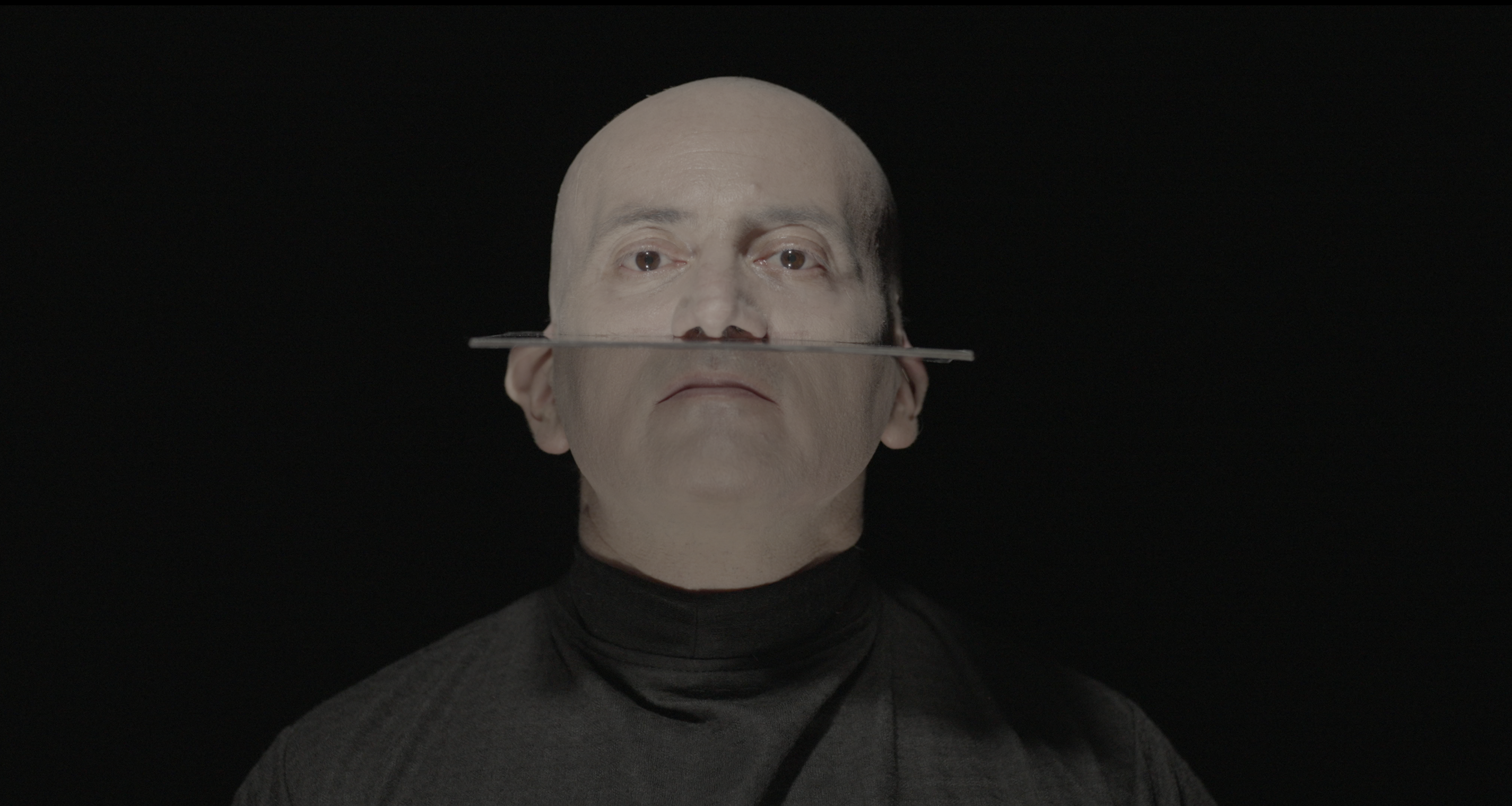
Gutterbliss, an art collective in Wilmington, North Carolina, is holding its annual Guttercast film festival at Jengo’s Playhouse in downtown Wilmington this Saturday, August 26th, beginning at 12:30pm, during which “The Pit and the Pendulum – a musicabre“, my short film musical adaptation of the Edgar Allan Poe short story will also screen sometime in the afternoon.
For those not near Wilmington, the program will also be available for free on-line. As the Gutterbliss crew announces:
If you can’t make it to the in person event, join us on our website for a live stream of the entire event! All of the films included in the stream will be completely free to ensure access for anyone and everyone, no matter who you are or where you live, you’ll be able to watch this splendid collection of short and feature length films from around the world.